Australia’s iconic cuttlefish breeding event shrinks to 1,811 in 2026 – a 97% plunge and its global ripple effects
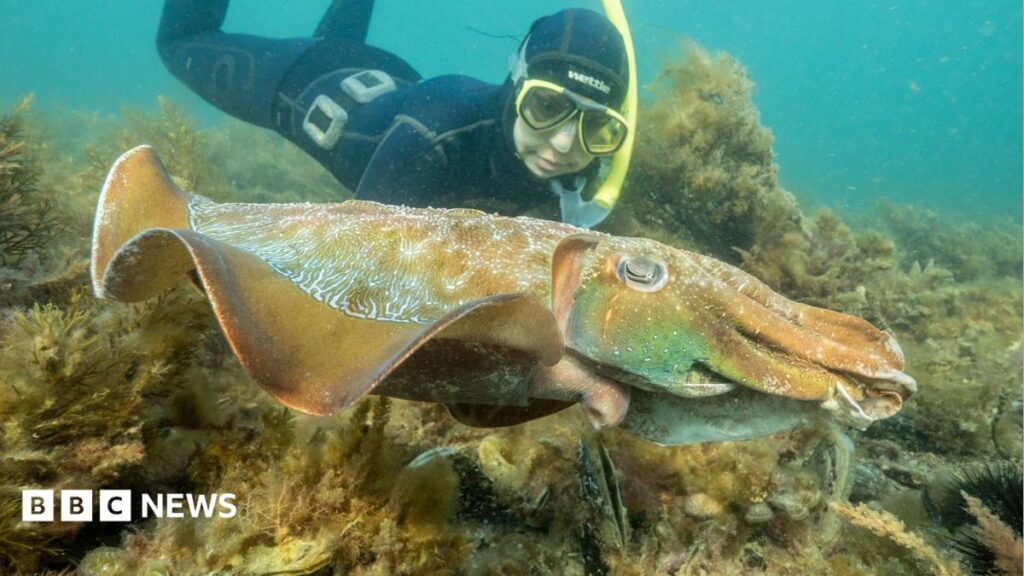
Background: The world’s biggest cuttlefish gathering
Every winter, the Upper Spencer Gulf in South Australia becomes a natural spectacle as millions of giant cuttlefish (Sepia apama) converge to mate, a phenomenon that draws tourists, photographers and marine scientists from around the globe. The aggregation, first documented in the 1990s, has been hailed as the planet’s largest single‑species breeding event for a cephalopod, with counts regularly topping 300,000 individuals in peak years.
The cuttlefish’s dramatic colour changes, synchronized spawning and the sheer density of the swarm have turned the site into a flagship for Australian marine conservation. Local businesses depend on the influx of visitors, while the event provides a living laboratory for research into climate resilience, reproductive biology and the impacts of fishing pressure on marine ecosystems.
The 2026 collapse: numbers and immediate causes
Official figures released by the South Australian Department for Environment and Water show that only 1,811 cuttlefish were recorded in the 2026 aggregation – a 97% decline from the 2025 count, which recorded just over 60,000 individuals. Researchers attribute the sudden drop to a combination of unusually warm water temperatures, a prolonged drought that reduced freshwater inflow, and an intensification of commercial trawling in adjacent waters.
Marine scientists at the University of Adelaide reported that sea‑surface temperatures in the Gulf were 2.3°C above the long‑term average during the breeding window, a shift that interferes with the cuttlefish’s spawning cues. At the same time, satellite data indicated a 15% reduction in river discharge, limiting the nutrient upwelling that normally fuels the plankton bloom the juveniles rely on for survival.
Why the drop matters beyond Australia
The cuttlefish aggregation is more than a tourist draw; it supplies a niche but lucrative segment of the global seafood market. Australian cuttlefish are prized for their texture and are exported to Asian kitchens, where they command premium prices. A collapse in local supply can tighten global availability, pushing up prices and prompting buyers to look elsewhere for comparable species.
Internationally, the event serves as an early‑warning system for marine health. A 97% plunge in a single season signals that the Gulf’s ecosystem is crossing a threshold that could affect other commercially important species such as southern rock lobsters and sardines. The knock‑on effects are likely to be felt in regional supply chains that feed markets in East Asia, the Middle East and, increasingly, Africa.
Echoes in Africa: similar marine stress and emerging opportunities
Coastal nations across Africa are confronting parallel challenges. In South Africa’s Western Cape, the endemic cuttlefish species Sepia vermiculata has shown reduced spawning success linked to ocean warming and over‑fishing, a pattern echoed in Kenya’s coral‑reef fishery collapses. The Australian decline underscores how climate‑driven habitat shifts can rapidly erode a species that was once considered resilient.
At the same time, the shortfall in Australian cuttlefish creates a market opening for African exporters. Ghana’s emerging aquaculture sector, for instance, is experimenting with culturing cuttlefish and other cephalopods to diversify protein sources and tap into high‑value export markets. If Australian supply remains unstable, African producers could fill the gap, provided they meet stringent food‑safety standards demanded by Asian buyers.
What’s next: research, policy and market shifts
The South Australian government has announced a $12 million emergency fund to fund tighter fishing quotas, enhanced water‑quality monitoring and a new “cuttlefish sanctuary” that would restrict trawling within a 15‑kilometre radius of the breeding grounds. Marine ecologists say that without swift action, the cuttlefish could become a conservation‑dependent species, similar to the plight of the Australian giant cuttlefish in the 2010s.
On the commercial side, seafood importers are already revising contracts. Trade data from the Australian Trade and Investment Commission shows a 22% rise in cuttlefish imports from Indonesia and Vietnam in the first quarter of 2026, a trend that could accelerate if the Australian population does not rebound. African fisheries ministries are watching these shifts closely, as they may need to adjust export strategies and negotiate new trade agreements to capture emerging demand.
Quick Answers
How many cuttlefish were recorded in the 2026 Australian breeding event?
Only 1,811 cuttlefish were counted, marking a 97% drop from the previous year.
Why did the cuttlefish numbers fall so sharply?
Warmer water, reduced river flow and increased trawling pressure are cited as the main drivers of the decline.
Could African fisheries benefit from the Australian shortfall?
Yes, the reduced Australian supply opens export opportunities for African producers looking to supply premium cuttlefish to Asian markets.
Source: www.bbc.co.uk




💬 Comments 0