Bangkok flood disaster zone 2026: heavy rains threaten Thai exports to Africa
Background: Bangkok’s chronic flood risk
Bangkok sits on a low‑lying river delta, with much of the city barely above sea level. The monsoon season, which runs from May to October, regularly pushes the Chao Phraya River and its tributaries beyond capacity, forcing the government to rely on an intricate network of canals, pumps and floodwalls that are already strained by rapid urban expansion.
In the past decade, the Thai government has poured billions of baht into flood‑mitigation projects, including the massive “Bangkok Flood Management Master Plan.” Yet each year the volume of runoff has risen, a trend linked to both climate change‑driven rainfall intensities and the loss of natural wetlands to concrete development.
Experts from the Thai Meteorological Department warn that the city’s historic flood defenses are now designed for a climate of the past. According to a 2024 study by Chulalongkorn University, the probability of a “500‑year” flood event hitting Bangkok has doubled in the last twenty years, putting the metropolis on a collision course with more frequent, severe inundations.
The 2026 deluge: what triggered the disaster zone
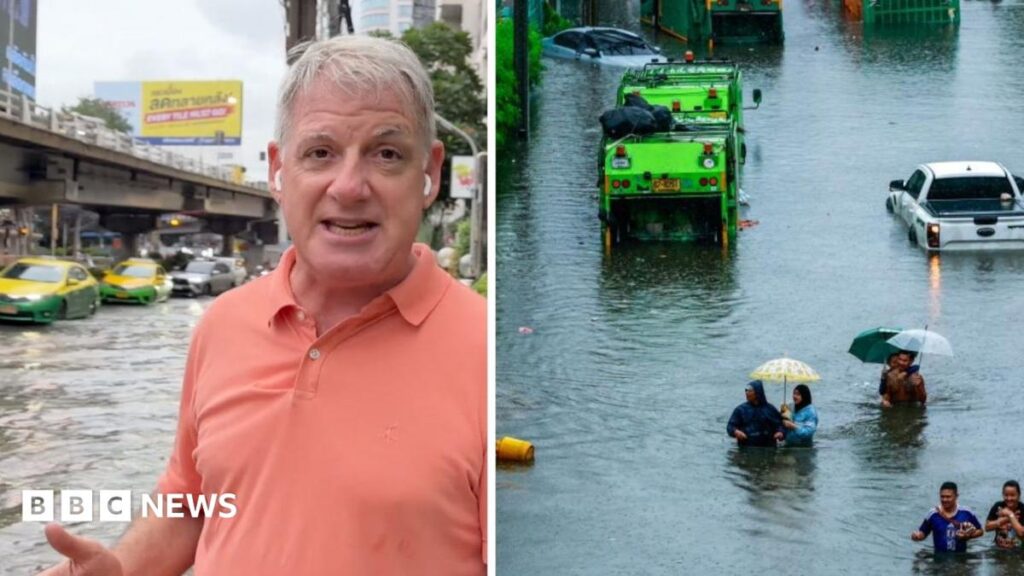
Over the weekend of 24‑26 September, a slow‑moving tropical disturbance dumped more than 250 mm of rain across the Bangkok metropolitan area, overwhelming drainage pumps that were already operating at full capacity. The Bangkok Metropolitan Administration (BMA) declared a “flood disaster zone” on Sunday, a legal status that unlocks emergency funding and allows for the rapid deployment of military engineers.
The BMA reported that water levels in the Chao Phraya rose to 3.4 metres, breaching the critical 3‑metre threshold that triggers mandatory evacuations for low‑lying neighbourhoods. Schools in the central business district were closed, and traffic on major arteries such as Rama IV and Silom was halted as streets turned into rivers.
Meteorologists say the event is part of an emerging pattern of “training‑type” rainstorms that linger over a single basin for days, a shift from the short, intense downpours that characterized Bangkok’s floods a decade ago. The Thailand Climate Center noted that the 2026 event is the third time this year that the city has seen flood‑disaster‑zone declarations, underscoring the growing volatility of the region’s weather.
Why the flood matters beyond Thailand
Bangkok is Thailand’s economic engine, contributing roughly 30 % of the nation’s GDP. A flood of this magnitude disrupts not only local commuters but also the supply chains that move goods from factories in the eastern seaboard to ports like Laem Chabang, the country’s busiest container hub. Any slowdown at the port reverberates through global trade routes that link Asian manufacturers with markets in Europe, the Middle East and Africa.
For African importers, Thailand is a key source of rice, canned fish, rubber and automotive parts. The African Development Bank’s 2025 trade report highlighted that Thailand ranks among the top five non‑regional suppliers to the continent for these commodities. A temporary bottleneck at Laem Chabang could raise freight costs, delay shipments and force African buyers to turn to alternative suppliers at higher prices.
Tourism, another pillar of Thailand’s economy, also feels the pinch. In 2024, over 200,000 African travelers visited Thailand, drawn by cultural festivals, medical tourism and the burgeoning digital‑nomad scene. Flood‑related flight cancellations and hotel closures risk eroding this growing market, especially as African middle‑class consumers become more discerning about travel safety and reliability.
African connections: trade, tourism, and diaspora
The Thai diaspora in Africa, though small, includes a network of entrepreneurs who run Thai restaurants, import specialty food products and operate travel agencies. A prolonged disruption in Bangkok’s logistics could force these businesses to source ingredients from other Asian markets, potentially altering the flavor profile that African diners have come to associate with authentic Thai cuisine.
In Nigeria, Ghana and Kenya, importers of Thai rice have already reported inventory pressures as the flood delayed shipments. According to a statement from the Nigerian Rice Exporters Association, the country’s rice‑import bill from Thailand could rise by up to 8 % if the current backlog persists for more than two weeks.
On the tourism front, African travel influencers on platforms like Instagram and YouTube have been promoting Thailand’s lesser‑known destinations such as Chiang Mai and the islands of the Andaman Sea. The current flood crisis may shift their focus to other Southeast Asian hotspots, reshaping the narrative that has helped drive African visitor numbers up by 12 % annually since 2021.
What’s next: response, adaptation and regional implications
The Thai government has pledged an emergency budget of 10 billion baht to boost pump capacity, reinforce embankments and provide temporary housing for displaced residents. Military engineering units are already on the ground, installing mobile flood barriers in the most vulnerable districts, while the BMA has launched a real‑time flood‑mapping app to guide commuters and aid workers.
Long‑term, officials say the 2026 crisis will accelerate the rollout of the “Smart Flood Management” program, which integrates AI‑driven rainfall forecasts with automated gate controls for the city’s canals. The initiative, funded in part by the Asian Development Bank, aims to cut response times by 40 % and could serve as a model for other flood‑prone megacities across the Global South.
For African partners, the situation underscores the importance of diversifying supply chains and building regional stockpiles. Trade ministries in Kenya and South Africa have already begun discussions with Thai officials about establishing joint logistics hubs that can bypass congested ports during extreme weather events, a move that could safeguard food security and keep prices stable on both continents.
Quick Answers
What caused Bangkok to be declared a flood disaster zone in 2026?
A three‑day deluge that dropped over 250 mm of rain overwhelmed the city’s drainage system, pushing the Chao Phraya River above the 3‑metre emergency threshold.
How might the Bangkok floods affect African imports from Thailand?
Disruptions at Thailand’s main container port could delay shipments of rice, rubber and automotive parts, raising freight costs and forcing African buyers to seek pricier alternatives.
What steps is Bangkok taking to prevent similar floods in the future?
The city is deploying emergency pumps, mobile barriers, and a new AI‑driven “Smart Flood Management” system to better coordinate canal gates and forecast rainfall.
Source: www.bbc.co.uk




💬 Comments 0