Binance seeks to recover $6.3bn lost in 2026 North Korea‑linked hack – impact on African crypto users
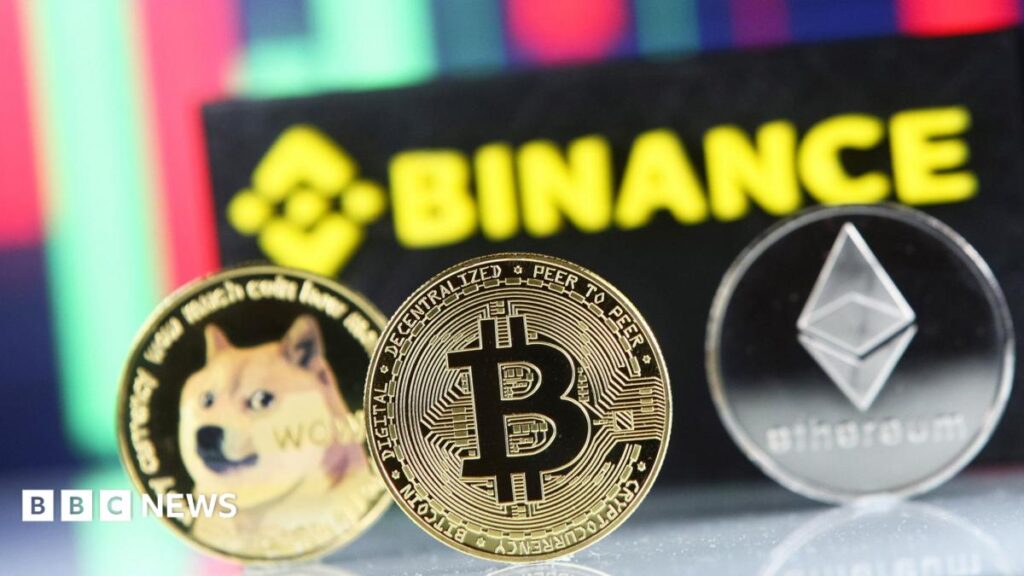
The scale of the Binance breach
In early October 2026 Binance disclosed that a coordinated cyber‑attack siphoned roughly $6.3 billion worth of digital assets from its hot‑wallets, making it the largest cryptocurrency theft on record. The exchange described the operation as “highly sophisticated” and said the loss spanned multiple blockchain networks, including Bitcoin, Ethereum and BNB. Binance’s internal forensic team worked with blockchain analytics firms to trace the flow of funds, but the sheer volume and speed of the transfers have kept the trail elusive.
The hack hit Binance at a time when the platform was handling over $1 trillion in daily transaction volume, according to its own quarterly report. Analysts estimate that the stolen assets represent about 0.6 % of the total crypto market cap, a proportion that could shift price dynamics across several major tokens. While Binance has pledged to cover user losses from its insurance fund, the incident has sparked a wave of uncertainty among investors worldwide.
Who is behind it: North Korea’s Lazarus Group
Cyber‑security experts quickly linked the breach to the Lazarus Group, a hacking outfit tied to North Korea’s Reconnaissance General Bureau. The group has a history of targeting crypto exchanges to fund the regime’s sanctioned‑evasion activities, most notably the 2019 $600 million theft from the Japanese exchange Coincheck. According to a report by Chainalysis, the same laundering techniques—mixing services, chain‑hopping, and the use of privacy‑focused coins—appeared in the Binance case.
North Korean officials have not officially commented, but the United Nations Panel of Experts on North Korea’s illicit activities warned that the regime is increasingly relying on digital‑currency theft to offset international sanctions. Sources familiar with the investigation say the stolen funds are being funneled through a network of shell companies in jurisdictions with lax AML enforcement, a pattern that mirrors previous Lazarus operations.
Why African crypto markets feel the tremor
Africa accounts for roughly 15 % of global crypto adoption, driven by high remittance costs, limited banking infrastructure, and a youthful, mobile‑first population. Binance operates several localized services across the continent, including Binance Africa, a hub that offers fiat‑on‑ramp solutions in Nigeria, Kenya and South Africa. The hack has prompted a sharp drop in trading volumes on these regional platforms, as users scramble to reassess risk exposure.
In Nigeria, the country with the largest number of crypto traders in Africa, the Central Bank’s recent warning against unregulated crypto activity has already chilled sentiment. After the Binance breach, a survey by the African FinTech Network showed a 22 % decline in confidence among Nigerian crypto investors, with many citing fears of “systemic vulnerability” in large exchanges. The ripple effect could also affect local startups that rely on Binance’s API for liquidity, potentially slowing the growth of home‑grown DeFi projects.
Global regulatory ripples and Binance’s response
The incident arrives amid a tightening regulatory environment in the United States, the European Union’s MiCA framework, and Asia’s push for stricter AML standards. In response, Binance announced a multi‑phase recovery plan that includes hiring external forensic firms, expanding its bug‑bounty program, and allocating an additional $1 billion from its Secure Asset Fund for Users (SAFU). The exchange also pledged to work with law‑enforcement agencies across more than 30 jurisdictions, a move that could set a precedent for cross‑border cooperation in crypto crime investigations.
Regulators in Kenya and South Africa have already requested detailed incident reports from Binance Africa, according to statements from the Kenya Capital Markets Authority and the South African Financial Sector Conduct Authority. While the exchange has complied with most requests, critics argue that the speed of the response highlights a broader gap: many African regulators lack the technical capacity to audit blockchain‑based incidents, leaving local users dependent on foreign exchanges for both protection and redress.
What comes next for Binance and African users
Binance’s next steps will likely focus on two fronts: asset recovery and restoring trust. Blockchain tracing firms estimate that up to 30 % of the stolen funds could be reclaimed if coordinated takedowns of mixing services succeed, but this will require sustained diplomatic pressure on jurisdictions that host the laundering infrastructure. Meanwhile, Binance is rolling out a “Secure Wallet” feature for African accounts, adding multi‑signature authentication and real‑time alerts to curb unauthorized withdrawals.
For African investors, the hack underscores the importance of diversifying custody strategies. Financial advisors in Lagos and Accra are now recommending a blend of custodial wallets, hardware devices, and peer‑to‑peer trading to mitigate single‑point failures. As the crypto ecosystem matures, the incident may accelerate the push for regional regulatory harmonisation, potentially leading to an African‑wide crypto‑insurance framework that could protect users from future large‑scale breaches.
Quick Answers
How much money did the Binance hack cost?
The breach is estimated to have stolen about $6.3 billion in various cryptocurrencies.
Is North Korea really behind the Binance attack?
Cyber‑security firms and blockchain analysts have linked the attack to the Lazarus Group, a hacking outfit associated with North Korea.
What does the hack mean for African crypto users?
It has lowered confidence, reduced trading volumes on Binance’s African platforms, and highlighted the need for stronger local regulation and diversified custody solutions.
Source: www.bbc.co.uk




💬 Comments 0