Ukraine hits Savasleyka airfield, Russia’s hypersonic launch hub crippled, 2026 strike details
Background: Savasleyka’s strategic role
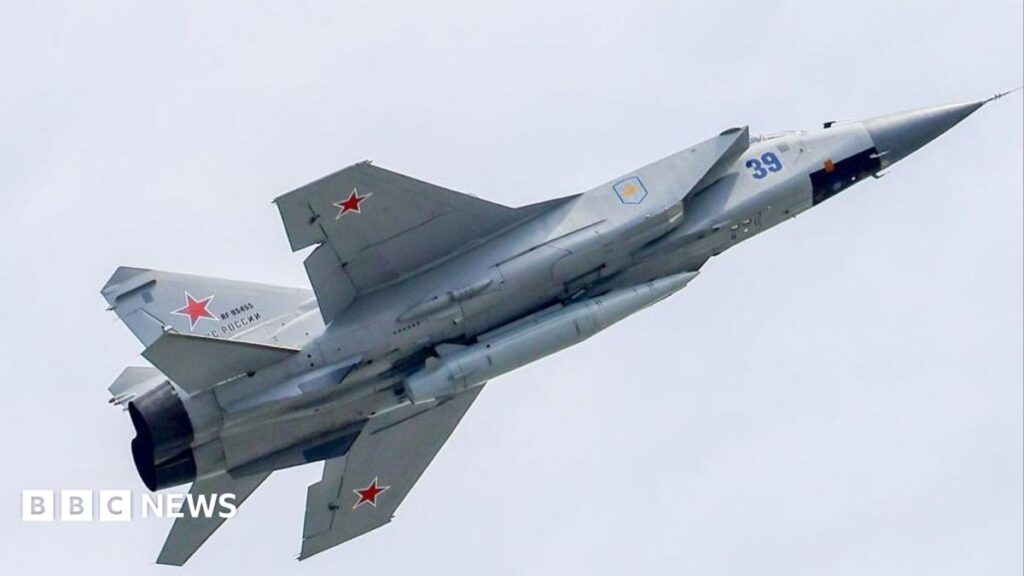
Nestled about 70 kilometres north‑east of Moscow, the Savasleyka airfield has become a linchpin in Russia’s long‑range strike capability. Since 2022 the base has housed modified Tu‑22M3 bombers and Su‑34 fighters that are routinely re‑equipped with the Kinzhal hypersonic missile and the new Avangard glide‑bomb system. Those weapons can travel at speeds exceeding Mach 5 and are designed to evade both radar and missile defences, giving Moscow a strategic edge in the war against Ukraine.
Beyond the hardware, Savasleyka functions as a logistical hub for training crews, storing spare parts, and coordinating launch schedules for attacks on Ukrainian infrastructure. Intelligence from NATO allies and Ukrainian special‑operations units has long flagged the airfield as a high‑value target, but the sheer depth of Russia’s air‑defence network around Moscow has made a direct strike risky – until now.
The airfield’s proximity to Russia’s industrial heartland also means any disruption could ripple through domestic production lines for advanced weapons. Analysts note that a sustained degradation of Savasleyka could force Moscow to reroute missile launches from less protected bases, stretching its supply chain and potentially slowing the tempo of strikes on Ukraine.
The strike: what happened on the ground
On the night of 24 November 2026 Ukrainian forces launched a coordinated attack on Savasleyka, using a mix of long‑range loitering munitions and a newly fielded domestically‑produced cruise missile. Satellite imagery released by the Ukrainian Ministry of Defence shows at least five Russian jets – two Tu‑22M3 bombers and three Su‑34 fighters – either destroyed on the tarmac or heavily damaged by the explosions.
According to Ukrainian officials, the operation was timed to exploit a brief window when the Russian air‑defence radar was undergoing routine maintenance, allowing the loitering drones to slip through undetected. Ukrainian sources say the strike also ignited fuel depots and ammunition stores, creating secondary blasts that amplified the damage.
Russian state media acknowledged that “several aircraft were hit” but downplayed the operational impact, claiming that backup aircraft could be redeployed from other bases. Independent analysts, however, estimate that the loss of five frontline jets represents roughly 10 % of the airfield’s active sortie capacity, a figure that could translate into fewer hypersonic launches in the coming weeks.
Why the hit matters for the Ukraine war
The Savasleyka strike marks the most audacious deep‑strike operation by Ukrainian forces since the 2023 attack on the Engels airbase. By directly targeting the launch platform for hypersonic weapons, Kyiv has signalled that it can neutralise even Russia’s most technologically advanced assets, eroding the perceived invulnerability of Moscow’s long‑range strike doctrine.
Strategically, the hit forces Russia to reconsider its reliance on a few high‑value nodes. If Savasleyka is taken offline for repairs, Russian planners will need to disperse their hypersonic assets to secondary fields such as Engels and Lipetsk, increasing logistical complexity and exposing more aircraft to Ukrainian drone and missile attacks.
The psychological effect should not be underestimated. Russian officials have repeatedly touted the Kinzhal as a game‑changer; a successful Ukrainian strike that temporarily disables the platform undermines that narrative and could embolden other nations that have been watching the conflict for clues about the real combat effectiveness of hypersonic weapons.
Implications for Russia’s arms sales to Africa
Russia is a leading supplier of advanced weapons to several African states, including the Kinzhal‑compatible platforms sold to the Central African Republic and the Avangard‑type glide‑bomb kits promised to Sudan. A disruption at Savasleyka could delay the final testing and delivery of these systems, forcing Moscow to renegotiate contracts or offer discounts to keep African partners on board.
African governments that have recently signed defence deals with Moscow are watching the conflict closely for signs of technology reliability. If Russia’s hypersonic arsenal appears vulnerable, nations such as Nigeria, Kenya and Ethiopia may reassess the cost‑benefit balance of buying Russian equipment versus turning to European or Chinese alternatives that are perceived as more stable.
Moreover, the strike could influence the broader geopolitics of arms trade on the continent. European Union sanctions already limit the flow of high‑tech weaponry to Africa, but a perceived weakening of Russia’s high‑end exports may open a market niche for home‑grown African defence firms, spurring investments in indigenous missile and drone programs that have been in early stages in countries like South Africa and Egypt.
What comes next: future targeting and diplomatic fallout
Ukraine is expected to follow up the Savasleyka operation with further deep‑strike missions, possibly using newly acquired Western‑supplied long‑range precision weapons. Military analysts predict a shift toward more frequent, low‑cost attacks on Russian logistics hubs rather than large‑scale battlefield engagements, a tactic that could stretch Russian air‑defence resources thin.
On the diplomatic front, the strike is likely to fuel Moscow’s calls for stronger “protective” measures in the Black Sea and over its western airspace, potentially prompting a new round of negotiations at the United Nations on the use of hypersonic weapons. Western capitals may use the incident to argue for stricter export controls on dual‑use technology that could end up in conflict zones.
For African stakeholders, the key takeaway will be how quickly Russia can restore its hypersonic launch capability and honour existing contracts. Observers warn that any prolonged disruption could accelerate a pivot toward diversified defence partnerships, a trend that could reshape the continent’s security architecture over the next decade.
Quick Answers
What is the Savasleyka airfield?
Savasleyka is a Russian military airbase near Moscow that houses bombers and fighters used to launch hypersonic missiles and glide‑bombs against Ukraine.
When did Ukraine strike the Savasleyka airfield?
The strike took place on the night of 24 November 2026, targeting aircraft and fuel depots on the base.
How could the strike affect African countries?
Disruption at Savasleyka may delay Russia’s delivery of hypersonic weapons to African clients, prompting some nations to reconsider Russian arms deals and explore alternative suppliers.
Source: www.bbc.co.uk




💬 Comments 0