Canadian astronaut Joshua Kutryk welcomes baby girl from ISS, misses birth
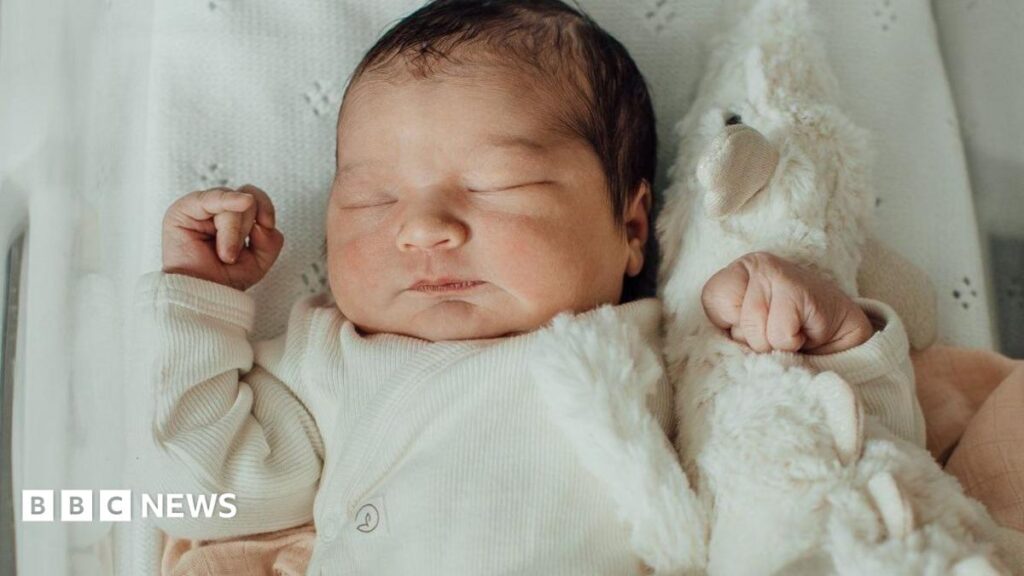
A rare family moment in orbit
Since the dawn of crewed spaceflight, only three astronauts have ever been away from Earth when their children were born. The first was Russian cosmonaut Valeri Polyakov, who spent a year aboard Mir in the 1990s, followed by American astronauts Scott Kelly and Kate Rubins on long‑duration missions to the International Space Station. Their experiences highlighted the emotional strain of being physically detached from a newborn, a factor that space agencies have traditionally managed through strict mission timing and limited family leave. The rarity of such events stems from the way launch windows and mission durations are planned around personal milestones, a practice that is now being tested by the increasing frequency of back‑to‑back flights and commercial crew rotations.
Joshua Kutryk’s situation adds a new layer to this small cohort. While on his inaugural mission aboard the ISS, the Canadian astronaut learned that his partner was expecting a daughter. The birth took place while he was still orbiting Earth, making him the fourth person in history to miss his child’s first moments. The news broke through a live video call with his family, where his partner, a medical researcher in Ottawa, announced the baby’s arrival to a stunned audience of mission controllers and social‑media followers.
Kutryk’s mission and Canada’s growing space profile
Kutryk, a former fighter pilot and graduate of the University of Calgary, was selected for the Canadian Space Agency’s (CSA) 2017 astronaut class. His assignment to the ISS marks Canada’s continued partnership with NASA and its contribution of the Canadarm2 robotic system, a symbol of the nation’s engineering prowess. The mission, scheduled for six months, includes scientific experiments on microgravity‑induced bone loss and a series of technology demonstrations for future lunar habitats. Kutryk’s personal milestone, however, has drawn unprecedented public attention to Canada’s human‑spaceflight narrative, shifting the focus from hardware to the people behind the helmets.
The emotional resonance of a father welcoming a child from orbit has sparked a wave of national pride across Canada’s multicultural landscape. Social‑media platforms saw a surge in hashtags such as #KutrykKid and #SpaceDad, with many Canadians—particularly those of South Asian, African and Caribbean descent—sharing their own stories of diaspora and distance. For a country that has historically relied on partnerships rather than its own launch capabilities, the story underscores a broader shift: spaceflight is becoming a platform for personal identity, representation, and the soft power that comes with human stories.
Why missing a birth matters for future missions
The psychological impact of missing a child’s birth is a topic that space agencies have studied but rarely publicised. According to a 2023 NASA report, prolonged separation from newborns can increase stress hormones and affect mission performance if not mitigated by robust mental‑health support. Kutryk’s experience will likely feed into ongoing debates about crew‑family integration, especially as agencies plan for Artemis lunar missions and eventual Mars expeditions where communication delays can stretch to 20 minutes one‑way. The need for pre‑mission family planning, flexible return‑to‑Earth options, and in‑flight counseling is becoming more urgent as mission lengths extend beyond six months.
Commercial operators such as SpaceX and Axiom Space are also watching the situation closely. Their business models depend on frequent crew rotations and longer stays, meaning that the cost of family‑related disruptions could affect launch schedules and insurance premiums. Some experts, like aerospace analyst Dr. Aisha Bello of the African Space Policy Institute, argue that the industry must develop standardized family‑support protocols, ranging from virtual parenting tools to guaranteed repatriation windows. Without such measures, the human cost of exploration could become a deterrent for talented professionals who weigh career ambitions against family responsibilities.
African relevance: inspiration and policy lessons
While the story is rooted in a Canadian context, it resonates strongly with emerging African space programs. Countries such as Nigeria, Kenya, and Rwanda are investing heavily in satellite constellations, launch‑site development, and astronaut training pipelines. The human dimension of spaceflight—especially the balance between personal life and national ambition—offers a cautionary tale for policymakers who are drafting crew‑selection criteria and mission‑duration guidelines. For instance, South Africa’s National Space Agency recently announced a mentorship scheme that includes mental‑health resources for its first astronaut candidates, citing the need to address family‑related stressors highlighted by recent ISS missions.
Beyond policy, Kutryk’s public celebration of fatherhood from orbit provides a powerful narrative for African youth who see space as a viable career path. In diaspora communities across Toronto, London, and Johannesburg, the image of a Black‑Canadian astronaut sharing a newborn’s first cry has been shared thousands of times, reinforcing the idea that space exploration is not limited to a handful of traditional powerhouses. This cultural impact can translate into increased enrolment in STEM programmes, more private investment in African space startups, and a broader public appetite for government funding of ambitious projects such as a pan‑African lunar research hub.
Quick Answers
How many astronauts have missed the birth of a child while on the ISS?
Four astronauts, including Joshua Kutryk, have missed a child’s birth while aboard the International Space Station.
What support does NASA provide to astronauts dealing with family events during missions?
NASA offers mental‑health counseling, virtual communication tools, and flexible return‑to‑Earth options to help astronauts manage personal milestones like births.
Why is Joshua Kutryk’s story significant for African space programs?
His experience highlights the need for family‑support policies as African nations develop crewed missions, and it serves as an inspirational example for African youth interested in space careers.
Source: www.bbc.co.uk




💬 Comments 0