Boatman Arrested After Capsizing Near Statue of Liberty Kills Woman, Infant; 13 Rescued
Background
Boat capsizings along the U.S. East Coast are a grim reminder of the perilous journeys that thousands of migrants undertake each year to reach the United States. In the last decade, the number of refugees and asylum seekers arriving by sea from the Caribbean, Central America, and the Gulf of Mexico has risen sharply, driven by violence, economic hardship, and climate‑related disasters in their home countries.
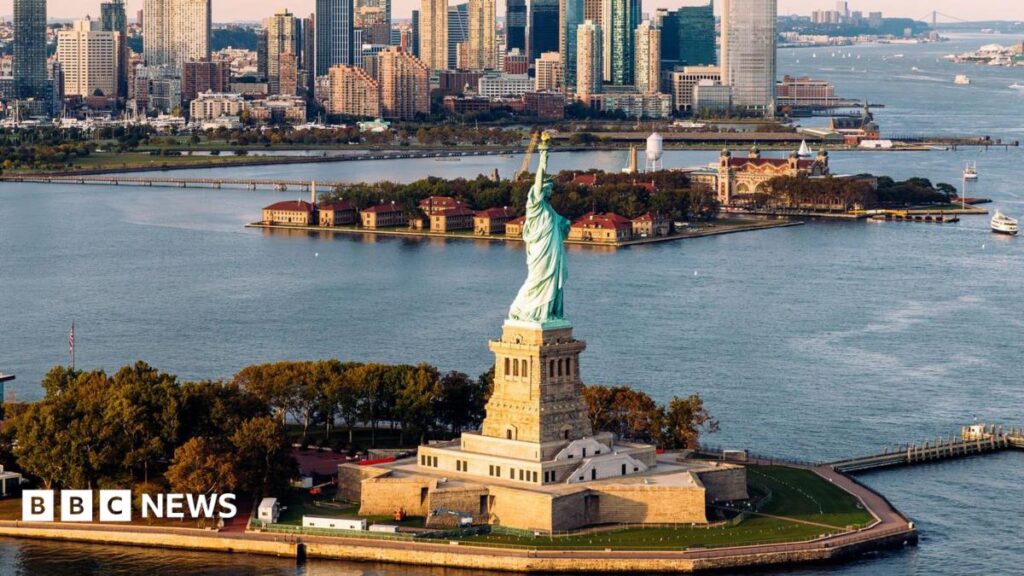
The U.S. Coast Guard, in partnership with Canadian authorities, has increased patrols in the Atlantic, yet the sheer volume of vessels and the clandestine nature of many crossings make enforcement difficult. The tragic incident near the Statue of Liberty—located in New York Harbor—highlights the ongoing challenge of balancing humanitarian response with immigration control.
While the U.S. has historically been a destination for African migrants, the current wave of arrivals is dominated by individuals from Central America. Nevertheless, African nationals are also part of the diverse mosaic of those seeking refuge, underscoring the global scope of migration crises that affect communities across the diaspora.
The Incident
On a humid August morning, a small boat carrying 15 people lost its balance and capsized within a few miles of the Statue of Liberty. According to Coast Guard reports, the vessel was traveling in a narrow channel, a common route for migrants attempting to reach New York City.
The crash resulted in the death of a woman and her infant, while 13 other passengers were pulled from the water and transported to nearby hospitals in stable condition. Rescue teams worked for hours, coordinating with maritime authorities to locate survivors and recover the bodies.
Investigators quickly identified the vessel’s captain—an undocumented individual who had previously attempted to cross the U.S. border by land. He was apprehended at a nearby pier, where he was charged with manslaughter and other related offenses. The case has already been forwarded to the U.S. Department of Justice for federal prosecution.
Why It Matters
The incident raises urgent questions about the safety protocols for migrants traveling by sea. It also underscores the broader policy debate over how the United States should manage irregular migration, especially in light of recent executive orders that have tightened asylum procedures.
From a humanitarian perspective, the loss of life—particularly that of a child—calls for a reassessment of the resources allocated to search and rescue operations in the Atlantic. The U.S. Coast Guard has faced criticism for its limited capacity to monitor the vast expanse of the ocean, leading to delayed responses.
Politically, the arrest of the boatman could influence public opinion on immigration reform. Legislators on both sides of the aisle are already citing the tragedy in hearings, arguing that stronger enforcement is necessary to deter dangerous crossings, while others stress the need for more comprehensive asylum policies.
Reactions
The U.S. President released a statement expressing condolences to the families and reaffirming the government's commitment to protecting life at sea. The statement also pledged to review current maritime safety measures.
Non‑governmental organizations, including the International Rescue Committee and the Red Cross, have called for increased funding for coastal patrols and for better coordination with international partners to prevent future tragedies.
Among diaspora communities, particularly those in New York’s African neighborhoods, the incident sparked vigils and calls for solidarity. Community leaders emphasized that while the victims were not African nationals, the shared experience of displacement resonates deeply with migrants who have fled conflict or persecution in Africa.
What’s Next
Legally, the arrested boatman faces a federal trial that could set a precedent for how the U.S. prosecutes individuals involved in maritime deaths. Prosecutors are reportedly seeking a plea deal that includes restitution to the victims’ families.
On the policy front, the Department of Homeland Security has announced a task force to examine the efficacy of current border patrol strategies in the Atlantic. The task force aims to develop a framework for rapid response and to enhance information sharing with Canadian authorities.
For the broader migration landscape, this incident may prompt a shift toward more robust international cooperation on maritime safety, potentially involving the United Nations and regional bodies. The long‑term impact will depend on how quickly policymakers can translate the tragedy into actionable reforms that protect both migrants and the communities that host them.
Quick Answers
Who was arrested after the capsizing near the Statue of Liberty?
The vessel’s captain, an undocumented individual who had previously attempted to cross the U.S. border by land, was arrested and charged with manslaughter and related offenses.
How many people were rescued from the water?
Thirteen people were rescued and reported to be in stable condition, while a woman and her infant died in the incident.
What actions are being taken in response to the tragedy?
The U.S. Coast Guard and Department of Homeland Security are reviewing maritime safety protocols, while the Department of Justice has forwarded the case for federal prosecution.
Source: www.bbc.co.uk




💬 Comments 0