Botswana kills 23 elephants for 2026 Independence Day feast, prompting global outcry
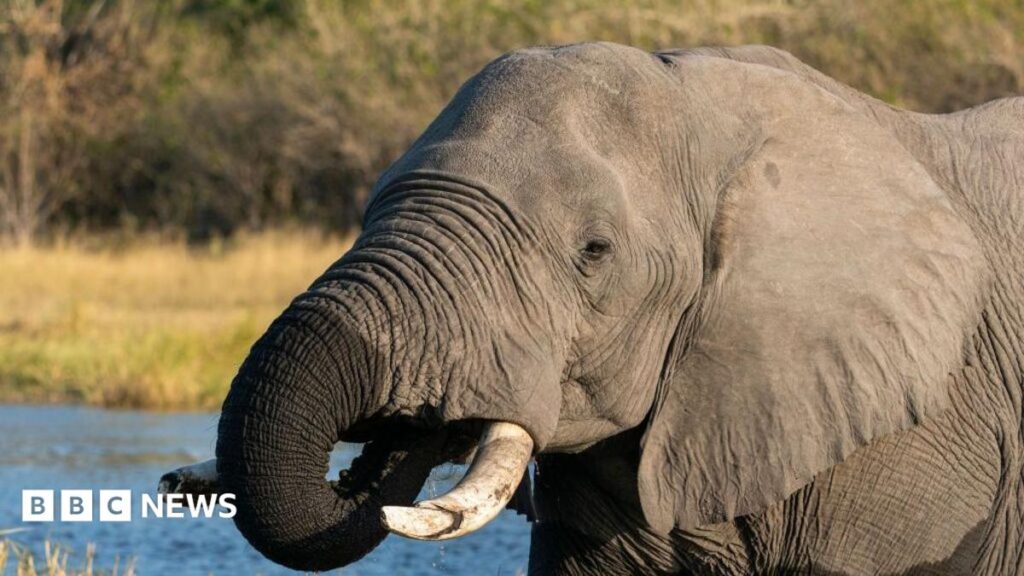
Background: Elephants, culture and conservation in Botswana
Botswana has long been celebrated as a haven for Africa’s iconic wildlife, especially its elephant populations that roam the Okavango Delta and Chobe National Park. The country’s tourism industry, which accounts for roughly 12% of GDP, depends heavily on the image of vast, untouched savannahs and the promise of seeing these megafauna in their natural habitat. At the same time, traditional hunting practices have existed among certain rural communities for generations, often framed as a means of subsistence or cultural expression.
Since the early 2000s, Botswana has adopted a dual approach: strict protection zones where hunting is banned, and limited, tightly regulated trophy‑hunting concessions that generate revenue for local communities. International NGOs such as the World Wildlife Fund and the International Union for Conservation of Nature have praised the country for its overall low poaching rates compared with neighboring nations, even as they warned that any relaxation of rules could quickly erode hard‑won gains.
Independence Day, celebrated on September 30, is a national holiday marked by large communal feasts, parades, and cultural performances. In recent years, some regional authorities have permitted the inclusion of game meat in the celebrations, citing the desire to showcase local culinary traditions. However, the scale of the 2026 feast – featuring 23 freshly killed elephants – represents an unprecedented escalation that has drawn both domestic criticism and international scrutiny.
What happened: The 23‑elephant slaughter
On September 30, 2026, the Ministry of Youth, Sports and Culture announced that a special Independence Day banquet in the capital, Gaborone, would feature a menu that included meat from 23 elephants harvested in the northern Kalahari region. Government officials said the animals were obtained through a licensed hunting permit issued to a private game farm, which claimed the hunt was intended to “honour tradition” and to provide protein for the thousands of attendees.
Video footage released by local media showed the carcasses being processed on site, with portions being served to guests and the remainder sent to charitable food banks. The Ministry defended the decision by arguing that the hunt was fully compliant with national wildlife laws, which allow a limited number of elephant kills per year under strict quotas. Critics, however, pointed out that the quota for the year had already been met months earlier, suggesting the permit was either mis‑issued or ignored.
Within hours, social media platforms in Botswana erupted with outrage. Prominent conservationists, including the director of the Botswana Wildlife Conservation Society, called the act “a betrayal of the country’s conservation legacy.” Several opposition politicians demanded an immediate parliamentary inquiry, while the Ministry’s spokesperson maintained that the event was a one‑off cultural celebration and not a precedent for future hunts.
Why it matters: Conservation, tourism and community trust
Elephants are a keystone species; their movements shape ecosystems, and their loss can trigger cascading effects on vegetation, water sources, and other wildlife. The sudden removal of 23 mature individuals from a relatively small population raises concerns about genetic diversity and social disruption, especially because the targeted elephants were reportedly part of a matriarchal herd that played a crucial role in guiding younger members.
Tourism operators fear that the incident could tarnish Botswana’s reputation as a premier wildlife destination. A recent survey by the Botswana Tourism Board indicated that 68% of international visitors choose the country for its “pristine wildlife experiences.” If potential tourists perceive the government as willing to sanction mass elephant killings, bookings for safaris and high‑end lodges could decline, directly affecting employment for thousands of guides, lodge staff, and ancillary service providers.
Beyond economics, the episode threatens the fragile trust between rural communities that depend on wildlife for livelihood and the state that regulates that resource. Many villages have benefitted from community‑based natural resource management (CBNRM) programmes, which allocate a share of tourism revenue to local schools and health clinics. A perception that the government can override conservation rules for ceremonial purposes may erode community support for these programmes, potentially opening space for illegal poaching networks.
Reactions: From local activists to the global stage
Domestically, a coalition of NGOs—including the African Wildlife Foundation’s Botswana chapter and the local branch of Earthlife Africa—organized a series of protests in Gaborone and Francistown, demanding a moratorium on any future elephant hunts tied to public events. Their statements emphasized that the “celebration of independence should not come at the expense of our natural heritage.”
Internationally, the United Nations Environment Programme issued a brief statement urging Botswana to review its wildlife policies and to align them with the Convention on International Trade in Endangered Species (CITES) obligations. The European Union’s delegation in Gaborone signaled that future trade agreements could be reconsidered if the country fails to demonstrate “zero tolerance for unsustainable hunting.”
In response, the Ministry announced an internal audit of the permitting process and promised to suspend all elephant‑hunting licences pending the review. However, some analysts caution that without legislative reform—such as setting an absolute ban on elephant kills for non‑conservation purposes—the audit may serve only as a symbolic gesture.
What’s next: Policy, legal battles and the road to recovery
The immediate next step is a parliamentary committee inquiry scheduled for October 2026. Experts expect the committee to examine whether the hunting permit complied with the 2018 Wildlife Conservation Amendment, which introduced stricter caps on elephant kills and required transparent public reporting. If the committee finds procedural violations, the responsible officials could face charges of “mismanagement of natural resources,” a crime punishable by fines and possible removal from office.
Long‑term, conservationists are calling for a revision of Botswana’s wildlife legislation to explicitly prohibit the use of protected species for ceremonial feasts. Such a change would align the country with a growing regional trend; South Africa and Namibia have recently introduced bans on trophy hunting for endangered megafauna, citing both ethical concerns and market pressure from eco‑tourists.
For the diaspora, the incident resonates deeply. Many Nigerians, Kenyans, and other Africans living abroad invest in Botswana’s tourism sector or run wildlife‑focused NGOs that rely on the country’s brand as a conservation success story. The backlash may prompt diaspora investors to reassess their exposure and to lobby for stronger environmental governance, potentially adding a new layer of pressure on the government from abroad.
Quick Answers
Why were 23 elephants killed in Botswana on Independence Day 2026?
The government authorized a licensed hunt to provide elephant meat for a national Independence Day banquet, claiming it was a cultural celebration.
How could the elephant killings affect Botswana’s tourism industry?
Negative international perception may reduce wildlife‑focused travel, threatening revenue that supports thousands of jobs in safaris, lodges, and related services.
What legal actions are expected after the incident?
A parliamentary committee will investigate the permit’s legality, and officials could face charges for violating the 2018 Wildlife Conservation Amendment if misconduct is proven.
Source: www.bbc.co.uk




💬 Comments 0