Brazil 2026 presidential election: Lula vs Bolsonaro, what the race means for Africa and the diaspora
Why the 2026 vote matters beyond Brazil's borders
Brazil's presidential election on October 27, 2026, is more than a domestic showdown; it will shape the country’s role in a shifting global order. As the largest economy in Latin America and a founding member of the BRICS bloc, Brazil influences trade routes, commodity prices and climate negotiations that directly affect African markets and investors. The outcome will also determine the tone of Brazil’s foreign policy toward the continent, especially in sectors like agribusiness, renewable energy and cultural exchange.
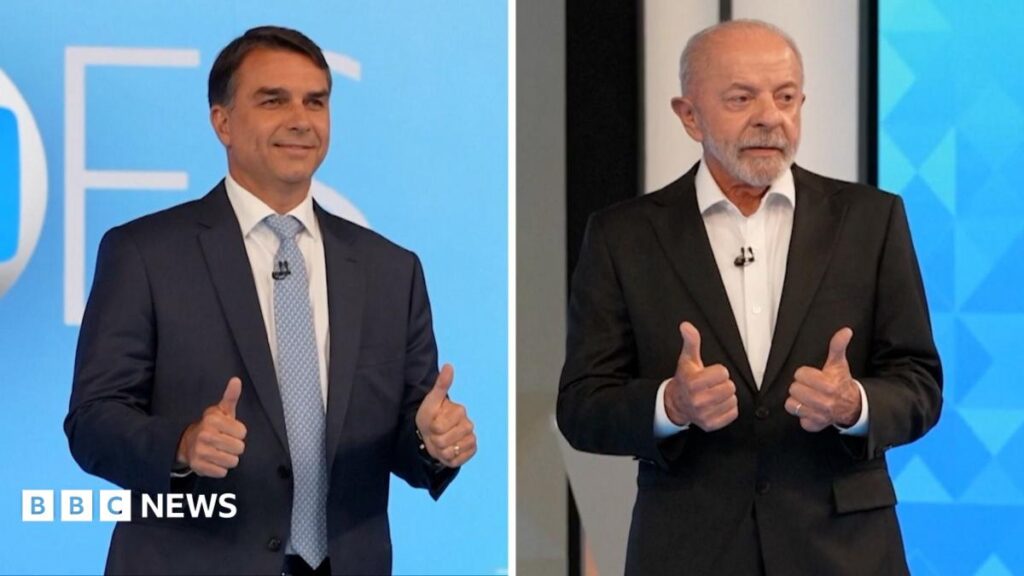
The election comes at a time when Brazil is wrestling with a deep political divide, economic volatility and a surge in social unrest. The incumbent president, Luiz Inácio Lula da Silva, seeks a third term after steering the country through a post‑pandemic recovery, while his main rival, former president Jair Bolsonaro, promises a return to a hard‑right agenda that critics say threatens environmental protections and minority rights. The stakes are high for African nations that rely on Brazil for technology transfer, agricultural imports and diplomatic support in multilateral forums.
The two front‑runners: Lula’s progressive coalition vs Bolsonaro’s nationalist surge
Luiz Inácio Lula da Silva, 78, is a former union leader who first held the presidency from 2003 to 2010. Running under the Workers’ Party (PT) banner, he has built a broad coalition that includes left‑leaning parties, Indigenous groups and a growing segment of the urban middle class. Lula’s platform emphasizes re‑industrialisation, social welfare expansion and a renewed commitment to the Paris climate accord, policies that have attracted interest from African governments seeking South‑South cooperation on renewable energy projects.
Jair Bolsonaro, 68, is a former army captain who rose to power on an anti‑establishment, law‑and‑order platform. His 2022 comeback campaign is anchored on a promise to revive Brazil’s “sovereign” economy, cut taxes for agribusiness and tighten immigration controls. Bolsonaro’s critics warn that his stance on the Amazon could accelerate deforestation, undermining global climate goals that many African nations depend on for funding under the Green Climate Fund. His rhetoric also fuels concerns about the treatment of Afro‑Brazilian communities, a demographic that shares cultural roots with many African diasporas.
Implications for African trade and investment
Brazil is Africa’s fifth‑largest trading partner, with bilateral trade reaching roughly $12 billion in 2025, according to data from Brazil’s Ministry of Development, Industry and Trade. A Lula victory is likely to deepen existing agreements on soy, beef and biofuel exports, while also expanding joint ventures in solar and wind power – sectors where Brazil has been a pioneer in the Global South. African investors have been watching Brazil’s renewable‑energy pipeline, hoping to tap into technology transfers that could accelerate electrification projects across the Sahel and East Africa.
Conversely, a Bolsonaro win could tilt Brazil’s trade policy toward protectionism, favouring domestic agribusiness at the expense of diversified imports. Analysts at the African Development Bank warn that such a shift could raise food‑price volatility in countries that rely on Brazilian soy and corn, especially in West Africa where these commodities are key livestock feedstocks. Moreover, Bolsonaro’s skeptical stance on multilateral climate accords may reduce Brazil’s willingness to fund African climate‑adaptation initiatives, a loss that could stall several UN‑backed projects.
Cultural and diaspora dimensions: Afro‑Brazilian links to Africa
Brazil hosts one of the world’s largest Afro‑descendant populations, estimated at over 100 million people. The Afro‑Brazilian community maintains vibrant cultural ties with Africa through music, religion and migration networks. In recent years, Brazil has launched scholarship programmes for African students and supported cultural festivals that celebrate shared heritage. Lula’s administration has pledged to expand these programmes, a move welcomed by ministries of education in Nigeria, Angola and Mozambique, which see Brazil as a gateway for academic exchange and soft‑power outreach.
Bolsonaro’s earlier tenure saw a scaling back of such initiatives, citing budget constraints and a focus on “national identity”. If he returns to power, NGOs and diaspora groups fear a reduction in funding for cultural projects that bridge Brazil and African nations. The Afro‑Brazilian press, including outlets like *Jornal da África*, have warned that diminished support could weaken the cultural diplomacy that has helped Brazil position itself as a bridge between Latin America and Africa.
What the result could mean for the future of Brazil‑Africa relations
Should Lula secure a third term, the most likely scenario is a continuation – and possibly an expansion – of Brazil’s engagement with Africa through BRICS‑plus initiatives, joint research on tropical agriculture and a stronger voice in United Nations climate negotiations. Experts at the Institute of International Relations of the University of São Paulo argue that Lula’s diplomatic style, which favours consensus building, could translate into more favourable trade terms for African exporters of cocoa, coffee and minerals.
If Bolsonaro wins, the immediate outlook points to a more transactional relationship centred on commodity exports, with less emphasis on capacity‑building or climate collaboration. This could prompt African countries to diversify their trade partners, looking increasingly toward the European Union, China or emerging markets in the Middle East. In any case, the election outcome will reverberate through African stock exchanges, where investors monitor Brazil‑related ETFs for signals on commodity price trends and ESG (environmental, social, governance) ratings.
Quick Answers
Who are the main candidates in Brazil's 2026 presidential election?
The two front‑runners are incumbent President Luiz Inácio Lula da Silva of the Workers’ Party and former President Jair Bolsonaro, running on a nationalist platform.
When is Brazil's presidential election taking place?
Brazil holds its presidential election on Sunday, October 27, 2026.
How could the election outcome affect African economies?
A Lula win could boost South‑South trade, renewable‑energy cooperation and cultural exchanges, while a Bolsonaro win might push Brazil toward protectionist policies that could raise food‑price volatility and limit climate‑finance support for Africa.
Source: www.bbc.co.uk




💬 Comments 0