Brazil’s 2026 Election: Lula vs Flávio Bolsonaro and its impact on Africa
Background
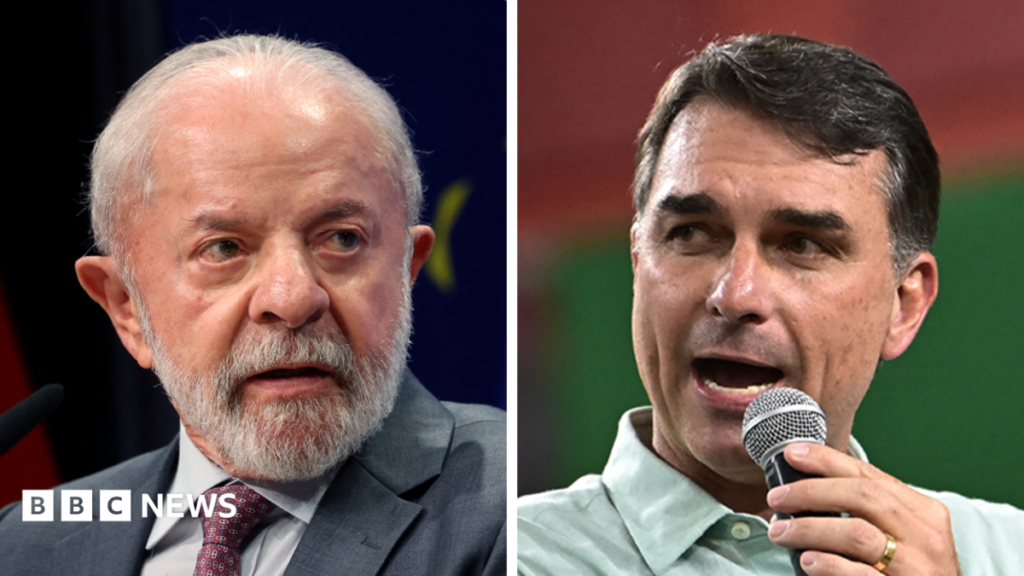
Former president Luiz Inácio Lula da Silva, often simply known as Lula, returned to the political spotlight after serving as Brazil’s head of state from 2003 to 2010. During his tenure he championed expansive social programs like Bolsa Família, helped lift millions out of poverty, and steered Brazil through a period of steady economic growth. However, his legacy is not without controversy; allegations of corruption and the 2016 impeachment of his successor left a legacy of political polarization that still reverberates across the country.
Flávio Bolsonaro, the son of former president Jair Bolsonaro, represents a starkly different brand of politics. A member of the Brazilian Social Liberal Party, he has positioned himself as a hard‑line right‑wing candidate, emphasizing law and order, a pro‑business agenda, and a more hawkish stance on environmental regulation. His campaign is buoyed by a network of supporters who view him as a continuation of his father's populist agenda, while critics warn of a potential rollback of environmental protections and social gains.
The race heats up
Polls released by IBOPE and Datafolha in the weeks leading up to the election suggest a razor‑thin margin between Lula and Flávio Bolsonaro, with some surveys indicating as little as a 1‑2 percentage point lead for the former. According to these polls, key battlegrounds include São Paulo, Rio de Janeiro, and the Northeast, where economic concerns and security issues dominate voter priorities. Both candidates have been intensifying their outreach, with Lula focusing on his record of social inclusion and economic stability, while Flávio Bolsonaro has been rallying support around a promise of stricter law enforcement and a pro‑market agenda.
The electoral process itself is set to be one of the largest in Brazil’s history, with an expected voter turnout of over 80% of the 135 million registered voters. The government has announced a series of measures to streamline voting, including expanded early‑voting sites and electronic ballot boxes, while security forces have been deployed to key polling stations to mitigate the risk of disruptions. The final days of campaigning are expected to see an uptick in media coverage, public rallies, and a surge in social media activity as both camps attempt to sway undecided voters.
Why it matters
Brazil’s political direction has far‑reaching implications for global climate policy, a matter of particular concern for African nations that are disproportionately affected by climate change. Lula’s previous administration was noted for its ambitious Amazon conservation initiatives and active participation in international climate finance mechanisms. Should he return to power, there is a realistic possibility of renewed investment in reforestation projects and a stronger voice in the Paris Agreement negotiations, potentially translating into increased climate aid for vulnerable African states.
On the economic front, Brazil remains a key player in the global commodity market, especially for coffee, cocoa, and soy. A Lula administration is likely to continue its engagement with Mercosur, which could open avenues for African exporters to tap into new trade routes and attract Brazilian investment in sectors such as agriculture and renewable energy. Conversely, a Flávio Bolsonaro victory could lead to tighter environmental regulations that may increase production costs for Brazilian agribusinesses, indirectly affecting commodity prices and the supply chains that many African economies depend on. Moreover, both scenarios will influence the dynamics of the African diaspora in Brazil, a community that numbers in the millions and plays a vital role in cultural and economic exchanges between the two continents.
Reactions across the globe
International responses have been swift. The United Nations Secretary‑General António Guterres has called for a peaceful and transparent electoral process, emphasizing the importance of Brazil’s role in global governance. The European Union’s delegation to Brazil has expressed support for the democratic process and highlighted potential trade partnerships, particularly in the area of sustainable agriculture.
African leaders have weighed in with caution. Nigeria’s President Bola Tinubu praised Lula’s commitment to social development and urged for continued collaboration on climate finance. In contrast, South Africa’s President Cyril Ramaphosa highlighted the need for Brazil to maintain its environmental commitments to safeguard shared planetary interests. Economic analysts from African banks have noted that a Lula win could signal a more stable investment climate, whereas a Bolsonaro victory might introduce uncertainty in commodity markets and affect African trade forecasts.
What's next
The outcome of this election will dictate Brazil’s future policy trajectory on both domestic and international fronts. A Lula victory could usher in renewed social programs, a focus on inclusive growth, and a strengthened stance on climate commitments, thereby potentially opening new avenues for African cooperation in environmental and development projects. Conversely, a Bolsonaro win could shift Brazil towards a more conservative economic model, potentially tightening regulatory frameworks and altering Brazil’s engagement with global climate initiatives, which could ripple across the African continent through changes in commodity prices and investment flows.
For African stakeholders, the key next step is to monitor post‑election developments closely and engage with Brazilian counterparts to safeguard interests in trade, investment, and climate finance. African governments and businesses are advised to diversify supply chains and explore bilateral agreements that can mitigate risks associated with shifts in Brazil’s policy landscape. Additionally, the African diaspora in Brazil should remain vigilant, ensuring that their cultural and economic contributions are recognized regardless of the political outcome.
Quick Answers
Who is running in Brazil’s 2026 election?
The main contenders are former president Luiz Inácio Lula da Silva, representing the Workers Party, and Flávio Bolsonaro, the son of former president Jair Bolsonaro, who is running as a right‑wing candidate.
Why does Brazil’s election matter for Africa?
Brazil’s policies on climate, commodity trade, and international diplomacy directly affect African economies and the global climate agenda, influencing trade flows, climate finance, and environmental cooperation.
What are the potential impacts on the African diaspora in Brazil?
Depending on the election outcome, the diaspora may experience changes in cultural support, economic opportunities, and political representation, as Brazil’s policies could affect community engagement and bilateral relations.
Source: www.bbc.co.uk


💬 Comments 0