Brazil’s Wolbachia‑treated Mosquitoes Cut Dengue Cases by 70% in Rio 2024 – What It Means for Africa
Background: Dengue’s Growing Threat in Africa
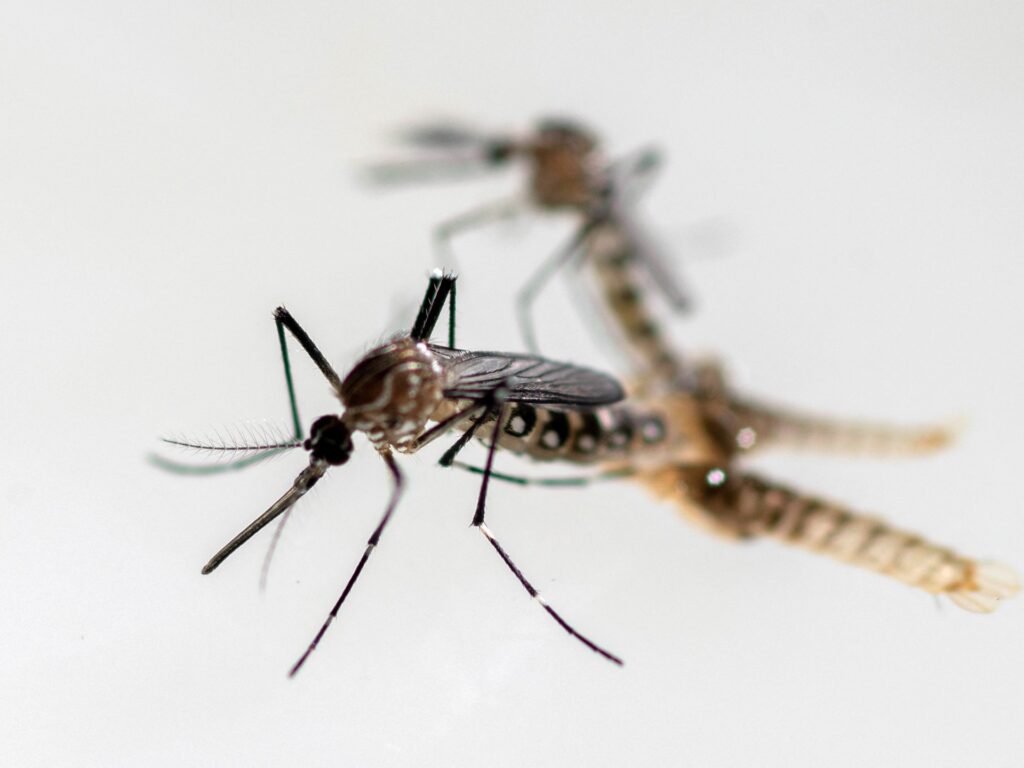
Dengue fever, once considered a tropical Asian problem, has surged across sub‑Saharan Africa over the past decade. Countries such as Nigeria, Kenya, Tanzania and Mozambique have reported sharp increases in confirmed cases, with the World Health Organization estimating more than 5 million infections on the continent in 2023 alone. Urbanisation, inadequate water‑storage practices and climate‑change‑driven shifts in mosquito habitats have all contributed to the expansion of Aedes aegypti, the primary dengue vector.
The public‑health impact is far from limited to occasional outbreaks. Hospital wards in Lagos and Dar es Salaam are regularly overwhelmed during peak transmission seasons, and the economic burden—lost workdays, diagnostic costs, and long‑term complications—has begun to strain already stretched health budgets. Traditional control measures, such as insecticide spraying and source‑reduction campaigns, have shown diminishing returns, prompting African ministries to search for innovative, sustainable solutions.
Brazil’s Mosquito‑Based Intervention – How It Works
In 2022 Brazil launched the world’s largest Wolbachia‑release programme in the city of Rio de Janeiro, aiming to replace wild Aedes populations with mosquitoes infected by the Wolbachia bacterium. Wolbachia is a naturally occurring microbe that, when present inside a mosquito, interferes with the replication of dengue, Zika and chikungunya viruses, effectively rendering the insect incapable of transmitting the disease to humans.
The operation involved weekly releases of lab‑reared, Wolbachia‑positive mosquitoes over a 12‑month period, covering roughly 150 square kilometres of densely populated neighbourhoods. By 2024, epidemiological surveillance indicated a 70 percent drop in laboratory‑confirmed dengue cases compared with control districts, a result echoed by independent researchers at the Oswaldo Cruz Foundation. The success is attributed not only to the biological mechanism but also to intensive community engagement and real‑time monitoring via mobile data platforms.
Why the Brazilian Success Matters for African Public Health
The Brazilian data offers a concrete proof‑of‑concept that a biological, self‑sustaining vector control method can achieve large‑scale disease reduction without relying on continuous insecticide applications. For African cities grappling with similar urban density and limited vector‑control budgets, Wolbachia offers a potentially cheaper, environmentally friendly alternative that aligns with the continent’s growing emphasis on green public‑health interventions.
Moreover, the Brazilian experience demonstrates how a coordinated strategy—combining scientific research, government commitment, and community outreach—can overcome the social resistance that often hampers vector‑control programmes in Africa. The model also provides a template for integrating digital surveillance tools, something that many African ministries are already piloting to improve outbreak detection and response.
Local Reactions and Policy Debates Across the Continent
In Nairobi, the Ministry of Health has announced a partnership with the African Centre for Disease Control (Africa CDC) to launch a Wolbachia pilot in the informal settlement of Kibera later this year. Health officials cite the Brazilian results as a catalyst for the decision, while local NGOs stress the need for transparent risk communication, especially given lingering mistrust of genetically‑modified organisms in some communities.
Meanwhile, Ghana’s Food and Drugs Authority has opened a public consultation on the regulatory framework for Wolbachia releases, echoing concerns raised by environmental groups in Brazil about potential ecological impacts. Though Wolbachia is not a genetically‑engineered organism, the debate highlights a broader African conversation about novel biotechnologies, biosafety standards, and the role of international donors in shaping national health policies.
The Road Ahead: Trials, Funding, and Ethical Questions
Scaling Wolbachia across Africa will require a blend of domestic financing and external support. The Gates Foundation, which helped fund Brazil’s programme, has pledged $50 million to a multilateral fund aimed at supporting Wolbachia pilots in three African countries by 2026. Simultaneously, the World Bank is evaluating cost‑effectiveness models that suggest every dollar spent on Wolbachia could save up to $5 in healthcare costs over a decade.
Ethical considerations remain front‑and‑center. Critics argue that releasing billions of modified insects without long‑term ecological studies could have unforeseen consequences, while proponents point to the absence of evidence for negative impacts in Brazil’s decade‑long experience. African bioethics committees are now tasked with balancing urgency—dengue’s rising mortality—with precaution, a dilemma that will shape the continent’s broader approach to emerging biotechnologies.
Quick Answers
What is Wolbachia and how does it stop dengue transmission?
Wolbachia is a naturally occurring bacterium that, when introduced into Aedes aegypti mosquitoes, blocks the dengue virus inside the insect, preventing it from being passed to humans.
Has any African country started using Wolbachia‑treated mosquitoes?
As of 2024, Kenya and Ghana have launched small‑scale pilot releases, but continent‑wide programmes are still in planning stages.
Will the Brazilian model be affordable for African health budgets?
Costs per square kilometre are falling, and partnerships with WHO and the Gates Foundation aim to subsidise deployments, though long‑term financing remains a challenge.
Source: www.aljazeera.com



💬 Comments 0