Iran war 2026 forces US to cut troop numbers in Saudi Arabia, reshaping Middle East security
Background: the conflict that sparked a strategic rethink
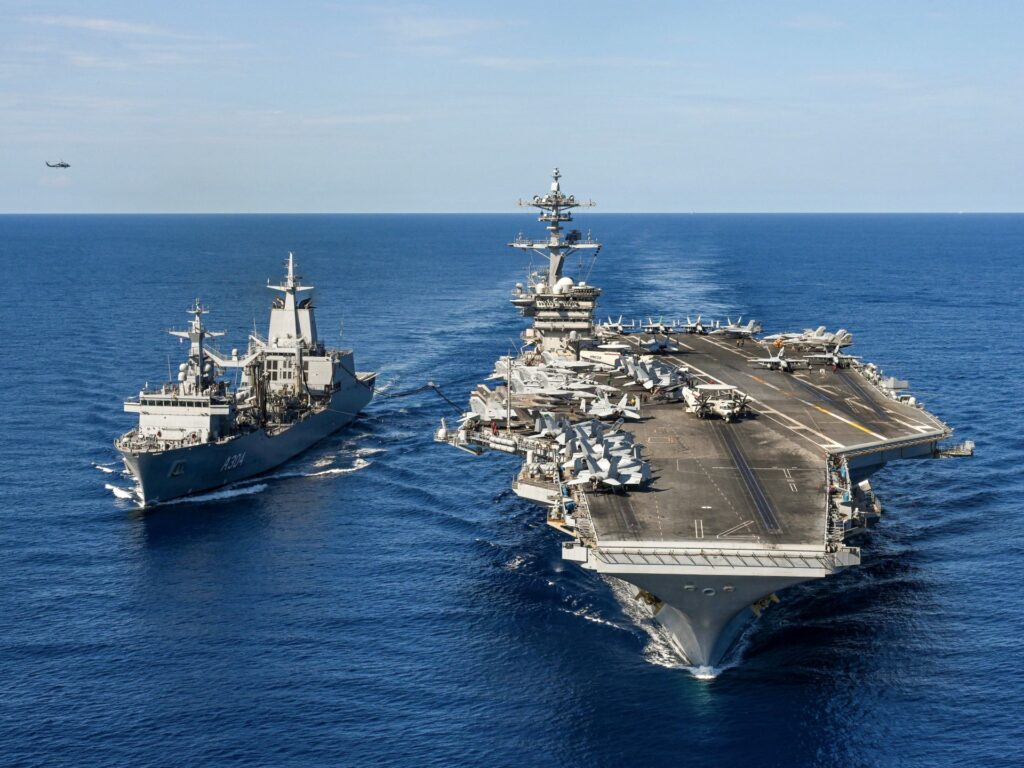
In early 2026 a series of missile exchanges between Iran and Israel escalated into a broader regional confrontation, drawing in U.S. forces stationed across the Gulf. The clash, which began with Iran’s retaliation to an alleged Israeli cyber‑attack on its nuclear facilities, quickly spread to naval skirmishes in the Strait of Hormuz and air raids on U.S. bases in Qatar and the United Arab Emirates.
Washington responded with a limited air campaign aimed at degrading Iran’s missile‑launch infrastructure, but the operation faced immediate domestic backlash. Polls released by the Pew Research Center in October showed that 62 % of Americans opposed further military involvement, a record high for any overseas conflict since the Vietnam War.
The war has also strained the logistics chain that underpins the U.S. Central Command’s permanent footprint: supply convoys have been disrupted, and the cost of maintaining forward‑deployed units has surged past $45 billion for the fiscal year, according to the Department of Defense’s budget office.
Why the U.S. is considering a smaller permanent presence
Strategic planners argue that a leaner posture would reduce the political risk of being caught in another flashpoint while still protecting vital American interests, such as the free flow of oil and the security of Israel. A draft memo circulated within the Pentagon, reported by The Wall Street Journal, recommends trimming the number of troops stationed in Saudi Arabia from roughly 5,000 to under 2,000 within the next 12 months.
The shift also reflects a broader doctrinal move toward “distributed lethality,” where smaller, more mobile units replace large, static bases. Analysts at the Center for Strategic and International Studies note that this approach allows the U.S. to react faster to emerging threats without the diplomatic baggage of a massive foreign garrison.
Domestic opposition is a decisive factor. Congressional hearings held in September featured veteran lawmakers warning that endless deployments erode public support for the military and divert resources from pressing domestic needs, such as infrastructure and health care.
Implications for African economies and the diaspora
The Gulf’s oil‑export capacity remains a lifeline for many African nations, especially Nigeria, Angola and Ghana, which together import over 30 % of their refined fuel from the Persian Gulf. A reduction in U.S. naval patrols could embolden Iranian-backed actors to threaten shipping lanes, potentially raising freight costs for African exporters of cocoa, coffee and minerals that travel through the Red Sea and the Suez Canal.
Conversely, a smaller U.S. footprint may open space for African security firms to expand their contracts with Gulf states. Companies from South Africa and Kenya have already been courting Emirati and Saudi clients for maritime security services, a market that could grow if the U.S. pulls back its patrol vessels.
The African diaspora working in the Gulf—estimated at 2.3 million people according to the International Labour Organization—could feel the impact of any disruption to oil supplies. Higher fuel prices often translate into increased living costs, which disproportionately affect migrant workers who send remittances home. In 2025, remittances from Gulf countries accounted for roughly 12 % of Nigeria’s foreign exchange earnings, a figure that could shrink if trade slows.
Regional reactions: allies, rivals and the new balance of power
Israel welcomed the prospect of a lighter U.S. footprint, arguing that it would force Washington to rely more on Israeli intelligence and missile‑defence systems. A senior Israeli defense official, speaking to Haaretz, said the partnership would become “more technology‑centric and less about boots on the ground.”
Saudi Arabia, however, expressed concern over security gaps. Crown Prince Mohammed bin Salman, in a televised interview, warned that “any vacuum left by the United States could be filled by forces that do not share our values.” Saudi officials have therefore begun secret talks with France and the United Kingdom about joint air‑defence deployments.
Iran, emboldened by its recent successes, has signalled it will continue to challenge any foreign presence it deems hostile. In a televised address, Supreme Leader Ayatollah Ali Khamenei pledged to “defend our sovereignty against any external aggression,” a statement that analysts interpret as a warning to any nation that might try to fill the U.S. void.
What comes next: timelines, policy options and potential flashpoints
The Pentagon’s timeline suggests a phased drawdown beginning in early 2027, with the first wave of troop reductions slated for the Al‑Udeid Air Base in Qatar. A second wave would target the Saudi Arabian garrison by mid‑2028, contingent on a stable security environment in the Strait of Hormuz.
Policy experts propose three complementary actions to mitigate risk: (1) expanding the U.S. naval presence in the Gulf of Aden through unmanned surface vessels, (2) deepening intelligence‑sharing agreements with African coastal states such as Djibouti and Tanzania, and (3) investing in regional capacity‑building programmes that empower Gulf partners to police their own waters.
The biggest flashpoint remains the contested islands of Abu Musa in the Persian Gulf, claimed by Iran, the UAE and Saudi Arabia. Any miscalculation there could reignite a broader conflict, drawing in the reduced U.S. force and potentially pulling African shipping routes into a new wave of insecurity.
Quick Answers
How many U.S. troops are expected to remain in Saudi Arabia after the drawdown?
The Pentagon plans to keep fewer than 2,000 soldiers in Saudi Arabia, down from about 5,000, once the 2028 phase is complete.
Will the reduced U.S. presence affect oil prices for African countries?
Potential disruptions to Gulf shipping could raise freight costs, which may translate into higher oil prices for African importers.
What opportunities could the drawdown create for African security firms?
With fewer U.S. patrols, Gulf states may contract African firms for maritime security, opening a new market for companies from South Africa, Kenya and Nigeria.
Source: www.aljazeera.com



💬 Comments 0