British mother dies rescuing sons swept away at Bahamas, 2026 tragedy
Background: What happened on the Bahamian beach
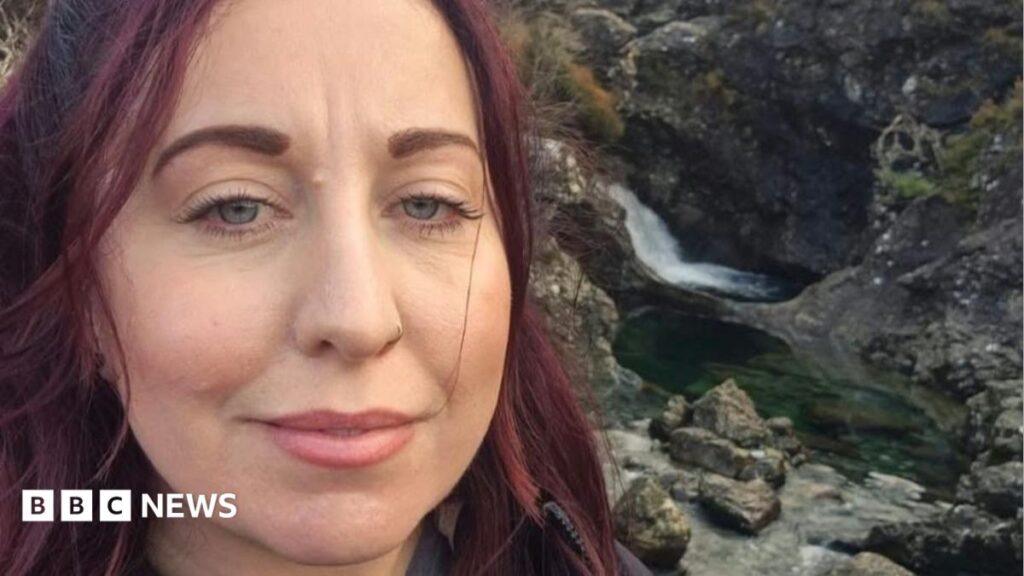
On the morning of 22 October 2026, a British family on holiday in the Bahamas was caught by a sudden rip current near a popular beach on New Providence Island. The mother, 38‑year‑old Sarah Thompson, saw her two teenage sons, aged 15 and 17, being pulled away by the surf and instinctively entered the water to try to save them.
Police reports confirmed that the boys were pulled to safety by lifeguards and fellow beachgoers within minutes, but Thompson struggled against the strong undertow. Despite the swift rescue effort, she suffered severe injuries and later died at a local hospital. The incident has sparked a wave of condolences on social media, especially from the UK and Caribbean communities.
Why the tragedy matters beyond the immediate loss
Beyond the heartbreaking loss of a mother, the event underscores the hidden dangers that even well‑known tourist beaches can pose. Rip currents are a leading cause of drowning worldwide, yet many visitors underestimate their strength, especially in regions where the water is typically calm.
The Bahamas, which derives roughly 50 % of its GDP from tourism, relies heavily on the perception of safety to attract visitors from the UK, the US, and increasingly from the African diaspora. A high‑profile fatality can ripple through travel advisories, insurance premiums, and booking trends, potentially affecting the islands’ economic recovery after the pandemic and recent hurricanes.
Tourism, safety and climate: a growing concern in the Caribbean
Scientists have linked rising sea temperatures to more frequent and powerful rip currents across the Caribbean. According to a 2025 study by the University of Miami, the likelihood of dangerous surf conditions has increased by 12 % over the past decade, a trend that could make beach accidents more common.
Tour operators are now under pressure to upgrade safety briefings, install more visible warning flags, and train staff in rapid‑response rescue techniques. Some islands, such as Barbados and Jamaica, have already introduced mandatory pre‑arrival safety videos for guests, a practice that could spread to the Bahamas if the incident prompts regulatory scrutiny.
Implications for African diaspora travelers
The African diaspora represents a fast‑growing segment of Caribbean tourism, with Nigerians, Ghanaians and South Africans increasingly booking beach holidays in the region. Many travel agencies in Lagos and Accra market the Bahamas as a “family‑friendly” destination, emphasizing its pristine sands and English‑speaking environment.
For these travellers, the incident highlights the need for culturally relevant safety information. While most UK‑based tour operators provide detailed briefings, African agencies often rely on generic brochures that omit local hazards. Community groups are now calling for bilingual safety signage and targeted education campaigns that address language barriers and differing levels of swimming proficiency.
Responses from authorities and the tourism industry
The Bahamian Ministry of Tourism issued a statement expressing condolences and pledging a review of beach safety protocols. Officials said they will consult with the Royal Bahamas Police Force, local lifeguard associations, and international experts to assess whether additional warning systems are needed.
Travel insurers, including major UK providers, have already flagged the incident in their risk assessments. A spokesperson for AXA Travel said the company will monitor the situation closely and may adjust premium rates for Caribbean trips if a pattern of accidents emerges.
What comes next: policy, education and market shifts
In the short term, the Bahamas is likely to roll out more visible rip‑current flags and expand lifeguard coverage during peak tourist seasons. Long‑term measures could include mandatory water‑safety briefings for all hotel guests and the integration of real‑time surf‑condition alerts via mobile apps.
For African diaspora tourists, the episode may accelerate demand for travel packages that bundle safety briefings, local guides, and insurance. Market analysts predict a modest shift toward destinations that can demonstrably guarantee beach safety, potentially benefitting Caribbean islands that invest early in comprehensive risk‑mitigation strategies.
Quick Answers
Did the boys survive the rip current incident in the Bahamas?
Yes, both sons were rescued by lifeguards and beachgoers shortly after being swept away.
How might this tragedy affect travel insurance for Caribbean holidays?
Insurers may raise premiums or tighten coverage terms for beach‑related incidents until safety measures are improved.
What steps are being taken to prevent similar drownings in the Bahamas?
The government plans to increase lifeguard staffing, install more rip‑current warning flags, and introduce mandatory safety briefings for tourists.
Source: www.bbc.co.uk



💬 Comments 0