Building Collapse in Muradabad, India, After Heavy Rain Sparks Power Line Fires
Background
Muradabad, a city in the northern Indian state of Uttar Pradesh, sits amid a flat plain that is prone to the region’s monsoon rains. The city’s population of roughly 200,000 people relies heavily on local markets and small industries for livelihoods.
During the monsoon season, the area can receive more than 200 mm of rain in a single day, overwhelming drainage systems that were designed for much lighter rainfall. Repeated flooding has prompted concerns among residents about the resilience of infrastructure.
India’s building codes, particularly the National Building Code of 2016, set strict guidelines for structural integrity and fire safety. However, enforcement varies widely, especially in rapidly expanding urban centres where informal construction is common.
Previous incidents in the region—such as the 2018 collapse of a low‑rise apartment block in nearby Meerut—highlighted the risks of inadequate building inspections and the need for stronger regulatory oversight.
The Collapse Event
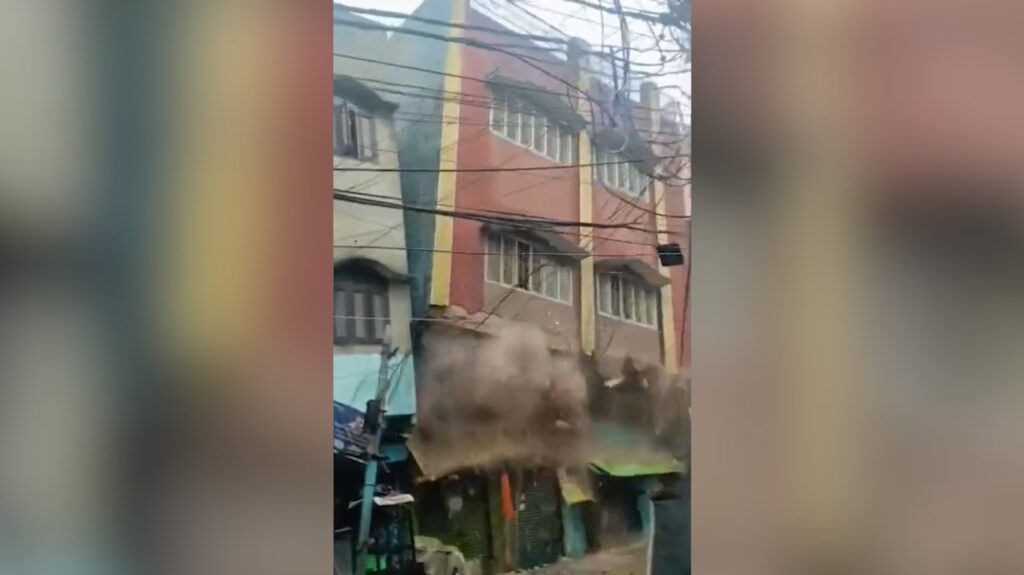
On the evening of September 4, 2026, a three‑storey commercial building in Muradabad’s central market district gave way after a sudden, intense downpour. The structure was partially constructed with unreinforced masonry, a construction method still used in many older buildings.
The collapse tore through a set of overhead power lines, causing sparks that ignited debris on the street. The immediate fire damage was contained by a quick response from local fire crews, but the incident disrupted power for several hours across the neighbourhood.
Initial reports from local police indicated that three workers were injured, and several shopkeepers lost their property. No fatalities were recorded, but the incident left a trail of debris that hampered traffic and emergency access.
The state’s Disaster Management Authority released a statement confirming that an investigation would be launched to determine whether building code violations contributed to the collapse.
Why It Matters: Climate and Infrastructure
This collapse underscores the growing threat of extreme weather events as climate change intensifies rainfall patterns in South Asia. Meteorological data show a 15% rise in peak rainfall intensity over the past decade in the region.
Even when buildings meet code, the lack of regular inspections can allow hidden structural weaknesses to develop. The Muradabad incident illustrates how regulatory gaps can translate into human and economic costs when extreme weather strikes.
The economic impact of such incidents is substantial: businesses lose inventory and customers, local employment is disrupted, and the municipal budget must absorb repair and compensation costs. The ripple effects can strain a city’s already limited resources.
From a safety perspective, the incident serves as a stark reminder that infrastructure resilience must be prioritized alongside urban growth. Without robust enforcement and community awareness, similar collapses could become more frequent as climate patterns shift.
African Context: Lessons for Nigeria and Other Cities
Nigeria’s largest cities, such as Lagos and Kano, experience comparable monsoon‑like rainfall that has led to flooding and structural failures. In 2022, a high‑rise building in Lagos collapsed during a storm, injuring dozens of residents.
Building regulation gaps are a shared challenge. In many Nigerian urban areas, informal construction bypasses official inspections, mirroring the situation in Muradabad where unreinforced masonry was used in a commercial property.
Diaspora communities in Europe and North America often witness reports of infrastructure failures back home. These stories underscore the need for diaspora engagement in advocacy for safer building practices, as they can mobilise resources and expertise from abroad.
The Muradabad collapse offers a cautionary example for African cities: investing in regular building audits, upgrading drainage infrastructure, and enforcing fire safety measures can reduce the risk of disaster. Collaborative efforts between governments, NGOs, and the private sector are essential to implement these safeguards.
Next Steps and Reactions
The Uttar Pradesh government has ordered a forensic investigation into the building’s construction records, including permits and inspection reports. The findings will determine whether legal action is warranted against the developer.
Local authorities have announced a temporary shutdown of the affected market area to allow for debris removal and structural assessments. Community leaders are coordinating with NGOs to provide temporary shelters for displaced shop owners.
In response to the incident, the national Ministry of Urban Development has pledged to review the enforcement of the National Building Code, particularly in rapidly expanding urban districts. A task force will be formed to audit high‑risk structures across the state.
Long‑term policy recommendations include the introduction of digital building permit systems, mandatory periodic structural assessments, and the integration of climate‑resilient design standards into all new construction projects.
Quick Answers
How many people were injured in the Muradabad building collapse?
Three workers were reported injured, and several shopkeepers lost property, but no fatalities were recorded.
What caused the building to collapse?
Heavy monsoon rainfall led to water saturation, weakening the unreinforced masonry structure and causing the collapse.
Will the building be rebuilt?
Investigations are underway; if the structure is deemed unsafe, authorities will coordinate with the owner to either rebuild to code or demolish and relocate affected businesses.
Source: www.aljazeera.com



💬 Comments 0