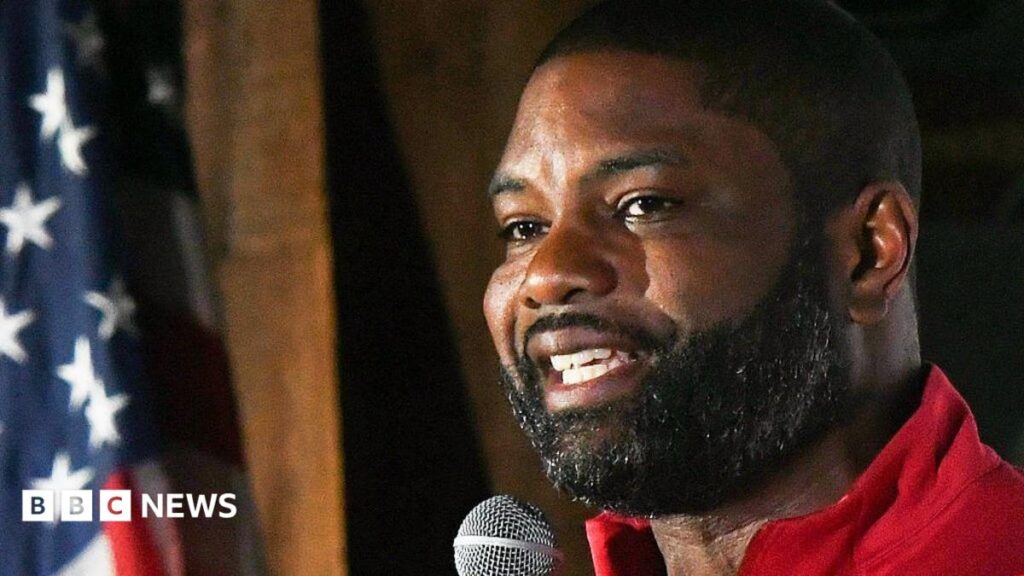
Byron Donalds becomes Florida’s first Black governor in 2026, reshaping US politics and diaspora ties
Background: Florida’s shifting political landscape and Byron Donalds’ rise
Florida has long been the nation’s most closely watched swing state, swinging between Republican and Democratic control in presidential elections since the 1990s. Demographic trends over the past decade – a growing Hispanic electorate, an influx of retirees, and a sizable Black population concentrated in urban corridors like Miami‑Dade and Jacksonville – have made the state a micro‑cosm of America’s broader political realignments.
Byron Donalds, a former U.S. Representative from the Panhandle, entered the 2026 gubernatorial race with a résumé that blends conservative fiscal credentials and a high‑profile endorsement from former President Donald Trump. Donalds built his brand on a “law‑and‑order” platform, championing tax cuts, school choice, and a hard‑line stance on illegal immigration, while also emphasizing his personal narrative as a Black man who rose from a modest background in Florida’s Gulf Coast.
Analysts at the Brookings Institution noted that Donalds’ candidacy was a calculated gamble by the Florida GOP: “He offered the party a way to appeal to Black voters without alienating the core white base,” said political scientist Emily Rios. The gamble paid off, as the Republican primary saw Donalds defeat more traditional candidates, positioning him as the party’s standard‑bearer for the general election.
Election night: How Donalds clinched the governorship
When polls closed on November 5, 2026, early returns showed a tight race, but as suburban counties in Central Florida reported, Donalds began pulling ahead. By midnight, the Associated Press called the race for Donalds with a margin of roughly 3.2 percentage points, translating to about 1.1 million votes statewide.
Key to his victory was a surge in turnout among Black voters in the Tampa Bay area and among older white voters in the Panhandle, both demographics that responded positively to Donalds’ personal story and his promises of tax relief. Exit polls commissioned by CNN indicated that 62% of Black voters who cast a ballot in the race supported Donalds, a historic shift compared with the 2018 and 2022 gubernatorial elections.
Democratic nominee Maya Torres, a former state senator and the first Latina to run for Florida governor, conceded in a televised address, praising Donalds for “breaking barriers” while warning that his policy agenda could threaten environmental protections and voting rights. The concession underscored the race’s high stakes for both parties.
Why a Black governor matters for US politics and the Black diaspora
Donald’s election marks the first time a Black Republican has become governor of a state as large and influential as Florida. The milestone carries symbolic weight for the national GOP, which has struggled to attract Black voters since the 1960s civil‑rights realignment. Party strategists now see Donalds as a proof point that the Republican brand can be reframed to include Black leadership without abandoning its core policies.
For the African diaspora, especially the sizable Haitian, Nigerian, and Ghanaian communities that call Florida home, Donalds’ victory is a double‑edged sword. On one hand, his presence in the governor’s mansion may encourage greater political participation among Black immigrants who have historically felt sidelined by both parties. On the other hand, his hard‑line immigration stance – including proposals to tighten work‑permit requirements for non‑citizens – raises concerns about how new arrivals from Africa and the Caribbean will be treated.
Community organizer Aisha Conteh, who leads a Miami‑based advocacy group for African immigrants, said in an interview with The New York Times that “the symbolism is powerful, but we’ll be watching closely to see if policies match the rhetoric.” Her sentiment reflects a broader caution among diaspora groups that representation does not automatically translate into policy benefits.
Ripple effects for African markets, trade, and diaspora ties
Florida’s economy is deeply intertwined with African trade, especially in sectors like aerospace, agribusiness, and tourism. The state hosts the largest U.S. port for direct cargo shipments from West Africa, handling over $2 billion in goods annually. Donalds has pledged to expand the Port of Jacksonville’s capacity, a move that could lower shipping costs for African exporters of cocoa, coffee, and textiles.
In addition, Donalds’ administration has signaled intent to negotiate a “Florida‑Africa Business Council” aimed at attracting investment from Nigerian fintech firms and Kenyan renewable‑energy startups. If successful, the council could channel an estimated $500 million of private capital into Florida’s tech hubs, while offering African companies a gateway to the U.S. market.
However, trade experts caution that Donalds’ fiscal conservatism may also mean reduced state subsidies for programs that currently support African entrepreneurs, such as the Small Business Development Center’s outreach in Miami. The balance between deregulation and targeted support will likely shape how African‑American and African immigrant businesses fare under his watch.
What’s next: Policy priorities, challenges, and the road ahead
Donald’s first 100 days will focus on three signature initiatives: a statewide tax reduction bill, a school‑choice expansion that includes vouchers for private and charter schools, and a controversial “Secure Borders, Secure Communities” package that tightens enforcement on undocumented migrants. Each initiative will test his ability to deliver on campaign promises while navigating a Democratic‑controlled state legislature that holds a slim majority in the Senate.
Environmental groups have already warned that Donalds’ support for easing regulations on coastal development could exacerbate climate‑related risks for Florida’s low‑lying islands – a concern that resonates with Caribbean and African island nations watching the state’s resilience strategies. The governor’s office has promised to fund a “Resilient Florida” task force, but funding details remain vague.
Internationally, Donalds’ election may reshape how the United States engages with African nations on security and trade. By positioning Florida as a hub for African investment, the governor could become a de‑facto diplomatic conduit, complementing federal efforts to counter China’s growing influence on the continent. Whether his administration will prioritize such outreach remains to be seen, but the potential for sub‑national diplomacy is now on the agenda.
Quick Answers
Who is Byron Donalds and why is his election significant?
Byron Donalds is a former U.S. Representative who became Florida’s first Black governor in 2026, marking a historic breakthrough for Black Republicans in a major state.
How might Donalds’ policies affect African immigrant communities in Florida?
His proposed tighter immigration rules could impact work‑permit eligibility for African newcomers, while his trade initiatives may open new market opportunities for African businesses.
What are the expected economic impacts of Donalds’ trade agenda with Africa?
If his Florida‑Africa Business Council materializes, it could attract up to $500 million in private investment and lower shipping costs for African exporters through port expansions.
Source: www.bbc.co.uk




💬 Comments 0