COP31 2026 Failure to Reach Climate Deal Deepens Funding Gap for African Nations
Background: High Stakes and African Expectations
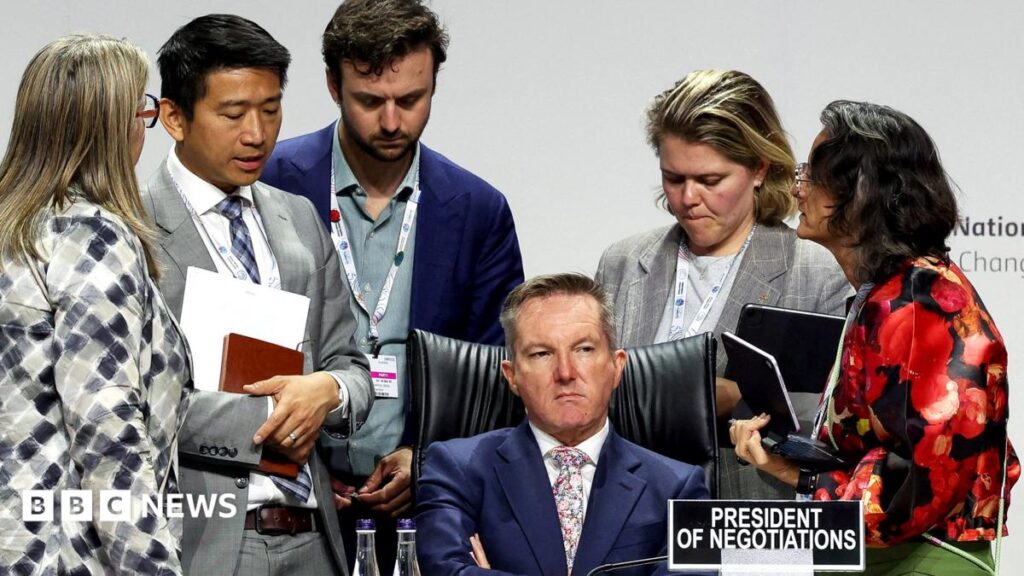
The 31st UN Climate Conference, known as COP31, convened in Baku, Azerbaijan, in November 2026 with the promise of delivering a comprehensive agreement on fossil‑fuel phase‑down and climate finance. For African delegations, the summit was a crucial platform to press for "loss and damage" compensation, a mechanism that would reimburse countries suffering irreversible climate harms such as desertification, flooding, and heatwaves.
Earlier in the year, the African Group of Negotiators, representing 54 nations, released a joint position paper calling for at least $200 billion a year in climate‑adaptation funding by 2030. The paper also urged the inclusion of a clear clause on fossil‑fuel reduction, arguing that without curbing emissions, any adaptation money would be a temporary Band‑Aid.
The global climate agenda had been shaped by the 2023 Glasgow Climate Pact, which introduced a formal “loss and damage” fund, but left the financing structure vague. African leaders, especially from the Sahel and Horn of Africa, warned that without concrete funding, their economies could face a climate‑induced recession within the next decade.
What Went Wrong: The Fossil‑Fuel Row That Stalled the Deal
Negotiations collapsed after a heated debate over whether the final text should explicitly name "fossil fuels" in the language on emissions reductions. The United States, the European Union, and a bloc of oil‑rich nations pushed for softer phrasing, arguing that a direct reference could alienate key energy‑producing partners and jeopardise the implementation of market‑based mechanisms.
African delegations, led by Nigeria’s Climate Minister Mohammed Hassan and Kenya’s Environment Minister Wanjiru Njoroge, demanded the term be retained, stating that any dilution would undermine the credibility of the entire process. Sources say the African bloc threatened to walk out if the wording was softened, but the compromise offered – a vague reference to "energy transition" – was deemed insufficient.
The stalemate spilled into other agenda items, including the financing chapter. Without consensus on the fossil‑fuel language, the conference could not agree on a timeline for the loss‑and‑damage fund, leaving the financing gap for vulnerable African nations unresolved.
Why It Matters for Africa: Funding Gaps and Development Risks
The failure to lock in a firm fossil‑fuel commitment means that many African countries will continue to rely on carbon‑intensive development pathways. According to the African Development Bank, 70 % of the continent’s projected energy demand by 2035 will still be met by coal, oil, or natural gas unless a clear global phase‑down is codified.
Without a guaranteed loss‑and‑damage fund, nations like Mozambique, which suffered a $4 billion hit from Cyclone Freddy in 2025, face a funding shortfall that could stall reconstruction for years. The World Bank estimates that climate‑related losses in Sub‑Saharan Africa could total $150 billion annually by 2030 if financing mechanisms remain ambiguous.
Diaspora communities in Europe and North America have been vocal about the need for reparative climate finance. Nigerian and Ghanaian NGOs in London and New York have organized protests, arguing that the lack of a decisive outcome at COP31 perpetuates a historic injustice where African lives bear the brunt of emissions generated elsewhere.
Broader Trends: A Pattern of Stalled Ambition
COP31’s deadlock is the latest in a series of climate‑summit disappointments that trace back to the 2015 Paris Agreement. While the treaty set ambitious temperature goals, each subsequent conference has struggled to translate pledges into binding actions, especially when fossil‑fuel interests intersect with geopolitical rivalries.
The current impasse mirrors the 2021 Glasgow negotiations, where the United States and China clashed over language on coal. In both cases, the negotiating bloc most affected by climate impacts – largely the Global South – found its demands watered down by the political calculus of major emitters.
Analysts note that this pattern erodes trust in multilateral climate governance. A 2026 report by the Climate Policy Initiative warned that repeated failures could push vulnerable nations toward regional climate pacts, potentially fragmenting the global response and weakening collective bargaining power.
What’s Next: Pathways for African Nations and the Diaspora
In the wake of the Baku deadlock, African leaders are pivoting to alternative forums. The African Union’s Climate Change Conference scheduled for early 2027 in Addis Ababa aims to solidify a continent‑wide financing blueprint that could be presented to the World Bank and private investors as a unified demand.
Civil society groups are also intensifying grassroots campaigns. The Pan‑African Climate Justice Coalition announced a series of “Climate Debt” rallies across Lagos, Nairobi, and Johannesburg, seeking to pressure multinational banks that fund fossil‑fuel projects to redirect capital toward renewable infrastructure.
For the diaspora, the next strategic move may involve leveraging voting power in host countries. Recent studies show that African‑heritage voters in the United States and Europe increasingly prioritize climate policy in elections, creating a potential lever to push their governments toward stronger positions at the next UN climate summit, COP32 in 2027.
Quick Answers
Why did COP31 fail to reach a major climate deal?
Negotiators could not agree on language that explicitly names fossil fuels, leading to a stalemate that also blocked agreement on loss‑and‑damage financing.
How does the COP31 outcome affect African countries?
The lack of a firm fossil‑fuel commitment and clear loss‑and‑damage funding leaves African nations facing funding gaps for adaptation and reconstruction after climate disasters.
What actions are African leaders taking after the deadlock?
They are focusing on regional initiatives, such as the AU Climate Change Conference, and mobilising diaspora advocacy to pressure global partners for concrete financing.
Source: www.bbc.co.uk




💬 Comments 0