California AG Rob Bonta cancels Paramount settlement meeting over good‑faith concerns, 2026
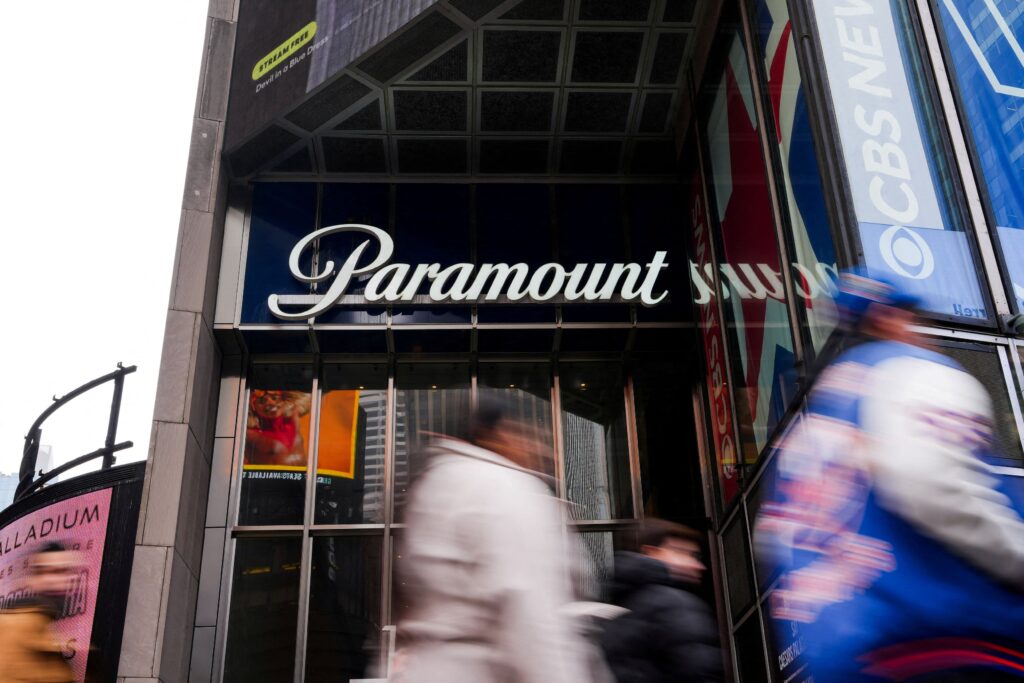
Background: The pending settlement talks
In early August 2026, California Attorney General Rob Bonta announced a scheduled meeting with senior executives from Paramount Global. The discussion was meant to address a series of complaints filed by the state’s Department of Justice, alleging that the studio had engaged in anti‑competitive practices that could hurt independent filmmakers and streaming platforms.
The complaints focus on Paramount’s licensing agreements for its vast library of films and TV shows, which critics say give the studio an outsized advantage in the lucrative on‑demand market. The AG’s office has been probing whether the company’s contracts violate state antitrust law and whether they undermine the competitive landscape that California’s entertainment industry relies on.
Why the meeting was called off
On Monday, Bonta abruptly cancelled the meeting, citing “a lack of good‑faith participation” from Paramount’s side. According to a brief statement from the AG’s office, the studio had failed to provide key documents that were requested weeks earlier, and its representatives appeared unwilling to engage in a transparent dialogue.
Sources close to the negotiations told reporters that Paramount’s legal team had repeatedly postponed the delivery of internal pricing data and market‑share analyses. Without those figures, the AG’s office said it could not move forward with a constructive settlement discussion, prompting the cancellation.
Implications for Hollywood’s power dynamics
The cancellation signals a growing willingness among state attorneys general to challenge the entrenched power of legacy studios. Over the past two years, New York, Texas and Illinois have launched similar antitrust probes into streaming giants, arguing that the old‑school gatekeepers still dominate distribution channels and dictate pricing for content creators.
If Bonta’s office proceeds with formal litigation, Paramount could face a series of injunctions that limit how it bundles its catalog with newer streaming services. Such a move would not only reshape revenue streams for the studio but also open up inventory for independent producers who have struggled to secure prime placement on platforms dominated by a few mega‑players.
What it means for African and diaspora creators
African‑American filmmakers and creators from the broader African diaspora have long complained that Hollywood’s concentration of rights makes it difficult for their stories to reach mainstream audiences. Paramount’s extensive library includes a large share of classic and contemporary films that often serve as reference points for new productions, and its licensing terms can dictate which titles are available for streaming in Africa and among diaspora audiences.
A settlement that forces Paramount to unwind exclusive bundling deals could free up more slots for independent African content on global platforms such as Netflix, Amazon Prime and Disney+. In turn, this would give Nigerian‑born director Kemi Adetiba and South African writer Rian Johnson (no relation) better chances of securing distribution for their projects without having to compete against a monolithic catalog that commands premium placement.
Looking ahead: possible next steps
Legal analysts expect the AG’s office to file a formal complaint within the next month, potentially seeking a court‑ordered audit of Paramount’s licensing practices. If a settlement is reached, it could involve the studio agreeing to more transparent pricing, offering a percentage of its library to independent distributors, or even establishing a joint‑venture fund to support under‑represented creators.
For the African film market, the ripple effect could be significant. A more open licensing regime would allow local streaming services like Showmax and IrokoTV to negotiate better terms, expanding their catalogues with high‑profile titles that attract viewers while also making room for home‑grown productions. The outcome of California’s case may therefore become a benchmark for other states and even for European regulators watching the U.S. antitrust playbook.
Quick Answers
Why did California AG Rob Bonta cancel the meeting with Paramount?
He said Paramount failed to provide requested documents and was not engaging in good‑faith negotiations.
What could a settlement with Paramount mean for African filmmakers?
It could loosen exclusive licensing, giving African creators better access to global streaming platforms and more opportunities for distribution.
Is California the only state challenging major studios?
No, New York, Texas and Illinois have launched similar antitrust investigations into Hollywood studios and streaming services.
Source: www.cnbc.com




💬 Comments 0