Ceuta Crossings: Spain Migrant Crisis 2026
Background
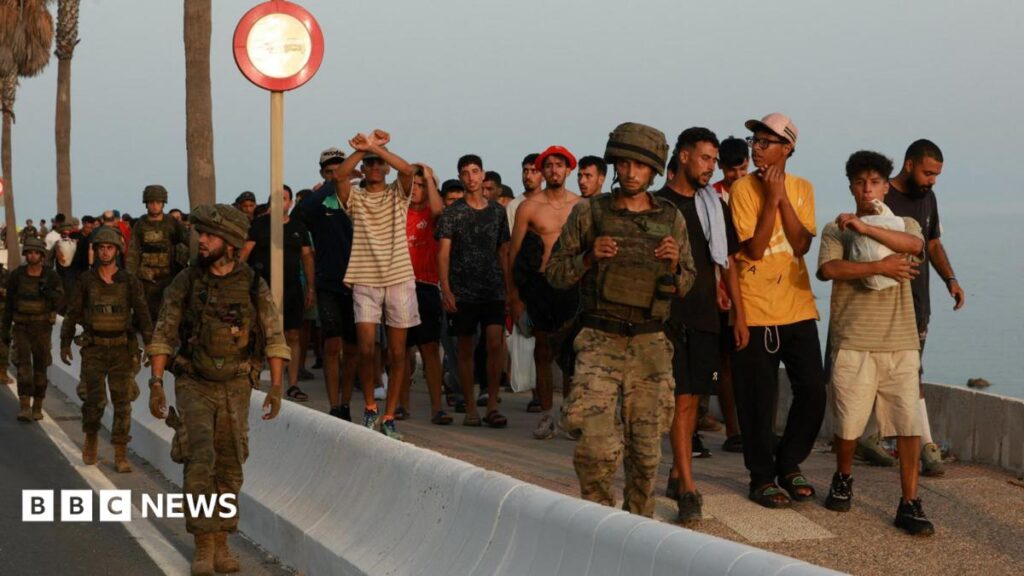
The recent influx of migrants crossing into Ceuta, a Spanish enclave in North Africa, has sparked a political firestorm in Europe. This crisis has its roots in a combination of factors, including poverty, conflict, and climate change, which have driven many individuals to seek better living conditions in Europe. As a result, the issue of migration has become a highly sensitive and divisive topic, with different countries and political parties holding varying views on how to address the situation.
The Ceuta crossings, in particular, have brought attention to the complexities of migration and the need for a unified European response. The fact that many of these migrants are coming from Africa highlights the need for a comprehensive approach that takes into account the root causes of migration, such as economic instability and lack of opportunities in their home countries.
What Happened
The Ceuta crossings have resulted in a significant increase in migrant arrivals in Spain, putting a strain on the country's resources and infrastructure. The Spanish government has been working to manage the situation, but the crisis has also sparked a heated debate about migration policies and border control. The role of social media in shaping public opinion on the issue has been particularly significant, with many politicians and activists using platforms to mobilize support for their views.
According to reports, the Ceuta crossings have also led to an increase in tensions between Spain and Morocco, with both countries trading accusations over the handling of the crisis. This has raised concerns about the potential for further instability in the region and the need for a coordinated response to address the root causes of migration.
Why It Matters
The Ceuta crossings have significant implications for Europe and beyond, highlighting the need for a comprehensive and coordinated approach to addressing migration. The crisis has exposed deep divisions within Europe over the issue of migration, with some countries advocating for stricter border controls and others pushing for a more welcoming approach. As the situation continues to unfold, it is likely that the debate over migration will remain a contentious issue in European politics.
The impact of the Ceuta crossings is not limited to Europe, as it also has significant implications for the migrants themselves, who are often fleeing poverty, violence, and persecution in their home countries. The crisis has raised important questions about the human rights of migrants and the need for a more compassionate and inclusive approach to addressing their needs.
Reactions
The Ceuta crossings have sparked a range of reactions from politicians, activists, and ordinary citizens across Europe. While some have expressed concern and empathy for the migrants, others have called for stricter border controls and a more hardline approach to addressing the crisis. The role of social media has been particularly significant, with many using platforms to mobilize support for their views and shape public opinion on the issue.
The reactions to the Ceuta crossings have also highlighted the need for a more nuanced and informed discussion about migration, one that takes into account the complexities of the issue and the need for a comprehensive approach. As the situation continues to unfold, it is likely that the debate over migration will remain a contentious issue in European politics.
What's Next
As the Ceuta crossings continue to make headlines, it is likely that the debate over migration will remain a contentious issue in European politics. The Spanish government has announced plans to increase border security and work with other European countries to address the root causes of migration. However, the situation remains complex and challenging, with many uncertainties about what the future holds for the migrants and the countries affected by the crisis.
The international community will be watching the situation closely, with many calling for a more coordinated and compassionate approach to addressing the needs of migrants. As the situation continues to unfold, it is likely that the Ceuta crossings will remain a significant issue in European politics, with important implications for the future of migration policy and the human rights of migrants.
Quick Answers
What is the Ceuta crisis about
The Ceuta crisis refers to the recent influx of migrants crossing into Ceuta, a Spanish enclave in North Africa, which has sparked a political firestorm in Europe and exposed divisions over the sensitive issue of migration.
Why are migrants crossing into Ceuta
Migrants are crossing into Ceuta due to a combination of factors, including poverty, conflict, and climate change, which have driven many individuals to seek better living conditions in Europe.
How has social media impacted the Ceuta crisis
Social media has played a significant role in shaping public opinion on the Ceuta crisis, with many politicians and activists using platforms to mobilize support for their views and shape public opinion on the issue.
Source: www.bbc.co.uk




💬 Comments 0