Ceuta Migrant Crisis: EU Response Divided
Background to the Crisis
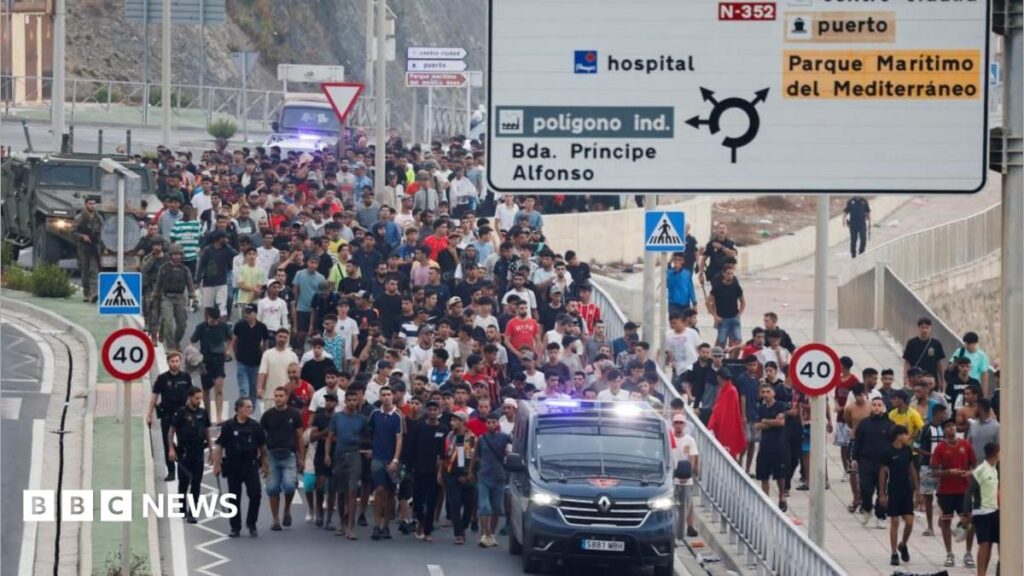
The recent surge in migrant crossings in Ceuta, a Spanish enclave in North Africa, has sparked a heated debate among European Union countries. The crisis has been ongoing for several weeks, with thousands of migrants attempting to cross the border into Spain. This has put a significant strain on the local authorities and infrastructure, leading to a call for action from the EU.
The migrant crisis in Ceuta is not a new phenomenon, but the recent increase in crossings has brought the issue back into the spotlight. Many of the migrants are from sub-Saharan Africa, fleeing conflict, poverty, and persecution in their home countries. They often face treacherous journeys across the desert and sea, only to be met with resistance and hostility at the EU's borders.
The EU's response to the crisis has been divided, with some countries calling for a more compassionate approach, while others have taken a harder line. The Schengen arrangement, which allows for passport-free travel between many EU countries, has been suspended by Italy, citing concerns over the security and stability of the region.
The Current Situation
The situation in Ceuta is dire, with migrants facing overcrowding, poor living conditions, and limited access to basic necessities like food, water, and healthcare. The Spanish authorities have been struggling to cope with the influx, and there have been reports of violence and tension between migrants and locals.
Prime Minister Giorgia Meloni of Italy has described the scenes in Ceuta as 'shocking', and has temporarily suspended the Schengen arrangement with Spain. This move has been seen as a response to the perceived lack of action from the Spanish government to address the crisis, as well as concerns over the potential for migrants to spread to other parts of Europe.
The suspension of the Schengen arrangement has significant implications for travel and trade between Italy and Spain, and could have a knock-on effect on the wider EU economy. It also raises questions about the EU's commitment to its core values of solidarity and cooperation in the face of a humanitarian crisis.
Why It Matters
The migrant crisis in Ceuta is not just a local issue, but a symptom of a broader global problem. The root causes of migration, such as conflict, poverty, and climate change, are complex and multifaceted, and require a coordinated and compassionate response from the international community.
The EU's response to the crisis will have significant implications for the bloc's credibility and cohesion. If the EU is unable to find a unified and effective solution to the crisis, it risks undermining its core values and principles, and potentially destabilizing the region. The crisis also raises questions about the EU's relationship with its African partners, and the need for a more equitable and sustainable approach to migration and development.
The crisis in Ceuta also highlights the need for a more nuanced and informed discussion about migration and asylum. The debate is often dominated by rhetoric and misinformation, which can fuel xenophobia and hostility towards migrants. It is essential to approach the issue with empathy and understanding, and to prioritize the human rights and dignity of all individuals, regardless of their nationality or immigration status.
Reactions and Next Steps
The suspension of the Schengen arrangement has been met with a mixed response from other EU countries. Some have expressed support for Italy's move, while others have criticized it as a unilateral and uncoordinated response to the crisis.
The Spanish government has responded to the criticism by calling for a more comprehensive and coordinated EU response to the crisis. The government has also announced plans to increase border security and strengthen cooperation with African countries to address the root causes of migration.
The EU has announced an emergency meeting to discuss the crisis and potential solutions. The meeting will bring together representatives from EU countries, as well as other stakeholders and experts, to discuss a range of issues, including border security, asylum policy, and development cooperation.
Conclusion and Implications
The migrant crisis in Ceuta is a complex and multifaceted issue, which requires a comprehensive and compassionate response from the EU and the international community. The crisis has significant implications for the EU's credibility and cohesion, as well as its relationship with its African partners.
The EU's response to the crisis will be closely watched, and will have significant consequences for the future of migration and asylum policy in the region. It is essential that the EU approaches the issue with empathy and understanding, and prioritizes the human rights and dignity of all individuals, regardless of their nationality or immigration status.
The crisis in Ceuta is a reminder of the need for a more nuanced and informed discussion about migration and asylum. It is essential to approach the issue with a clear and evidence-based understanding of the complex factors that drive migration, and to prioritize the human rights and dignity of all individuals.
Quick Answers
What is happening in Ceuta?
A surge in migrant crossings has sparked a heated debate among EU countries, with Italy suspending the Schengen arrangement with Spain.
Why has Italy suspended the Schengen arrangement?
Italy has suspended the Schengen arrangement due to concerns over the security and stability of the region, citing 'shocking' scenes in Ceuta.
What are the implications of the crisis?
The crisis has significant implications for the EU's credibility and cohesion, as well as its relationship with its African partners, and could have a knock-on effect on the wider EU economy.
Source: www.bbc.co.uk




💬 Comments 0