China Denies Artillery Shell in Papua New Guinea, Sparking Pacific Tension 2026
Background – China’s expanding footprint in the Pacific
Over the past decade, Beijing has invested heavily in infrastructure, aid and security cooperation across the Pacific Islands, positioning itself as an alternative to traditional partners such as Australia and the United States. The strategy includes building ports, airfields and, in some cases, providing military training or equipment to small island nations that lack robust defence budgets.
Papua New Guinea (PNG) sits at the strategic crossroads between Southeast Asia and the Pacific, making it a focal point for this competition. While PNG maintains a formal defence relationship with Australia, it has also welcomed Chinese investment in mining, energy and transport projects, creating a delicate diplomatic balancing act for Port Moresby.
The incident – what was found and how the story unfolded
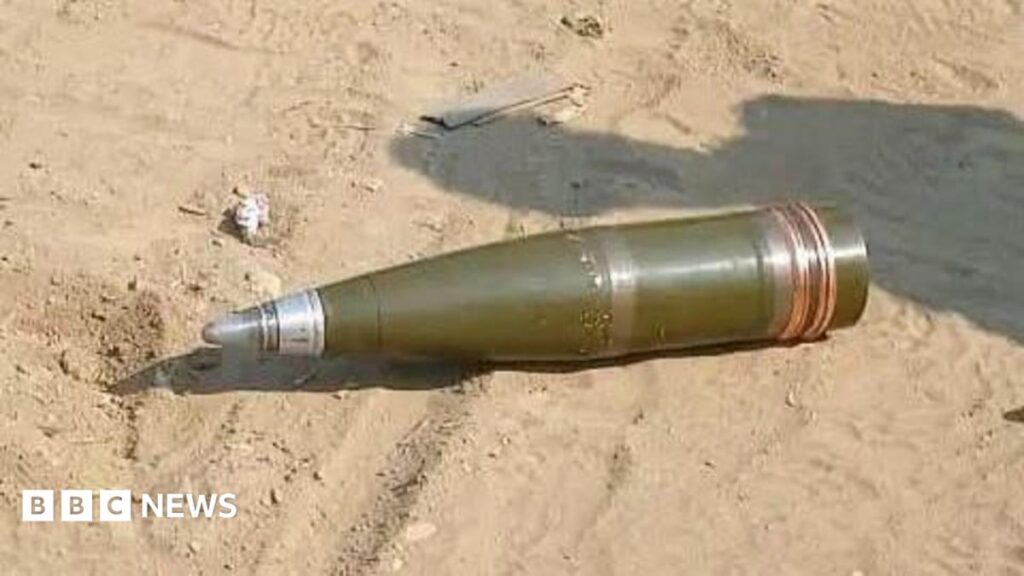
In early October 2026, PNG police seized a 32‑kilogram metallic object near the coastal town of Wewak. Initial media reports described the item as a possible artillery shell, prompting speculation that it could be a stray munition from a Chinese weapons shipment. The police later called the object a “dummy” used for training, but the description was quickly challenged by local witnesses who said the object bore the markings of a real shell.
China’s foreign ministry responded on 2 November, stating that the object was “merely a wine bottle used for a cultural exhibition” and that no artillery shells had been deployed to PNG. The ministry’s denial came after the PNG government announced an investigation, and it was echoed by Chinese state media, which dismissed the claim as “fabricated by hostile forces seeking to undermine bilateral ties.”
Why it matters – security, geopolitics and the optics of Chinese arms
Even if the object turns out to be a harmless prop, the episode highlights the opacity surrounding Chinese military assistance in the Pacific. Nations such as PNG lack the technical capacity to verify the provenance of foreign‑origin weapons, leaving them vulnerable to accidental escalation or to becoming unwitting storage sites for foreign armaments.
The incident also feeds into a broader narrative in Washington and Canberra that Chinese military logistics are slipping into regions traditionally under Western security umbrellas. For African states that host Chinese arms factories or receive weapons through Beijing’s Belt and Road network, the PNG case serves as a cautionary tale about the need for transparent end‑use monitoring.
Reactions – from Port Moresby, Beijing and the wider Indo‑Pacific community
Prime Minister James Marape’s office issued a measured statement, urging “all partners to respect PNG’s sovereignty while we complete a thorough, independent inquiry.” The government also promised to involve the Australian Defence Force in the forensic analysis, a move that signals a subtle shift toward its traditional ally amid the controversy.
Australian officials, speaking to local media, warned that any undisclosed foreign weaponry on PNG soil could jeopardise regional stability. The United States, through its Pacific Command, released a brief note saying it was “monitoring the situation closely and stands ready to support PNG’s security institutions.” Meanwhile, Chinese diplomats in Port Moresby emphasized that the claim was “politically motivated” and called for “responsible journalism.”
What’s next – diplomatic, legal and commercial implications
If the investigation confirms the presence of a genuine artillery shell, PNG could face pressure to declare the find to the International Committee of the Red Cross, which tracks illicit arms flows. Legal experts say the discovery could trigger a review of existing defence agreements between PNG and its partners, potentially prompting a renegotiation of Chinese aid packages.
On the commercial front, the episode may affect Chinese firms that are currently bidding for large‑scale infrastructure projects in PNG, such as the proposed high‑speed rail linking the capital to the mining hinterland. Investors from Australia, New Zealand and Japan are likely to reassess risk models, especially regarding supply‑chain security for critical minerals that flow through PNG to global markets.
Broader pattern – Chinese arms sales to Africa and the quest for transparency
African nations have long been recipients of Chinese‑manufactured small arms, artillery and naval equipment, often packaged with infrastructure loans. Critics argue that the lack of end‑use verification creates a “black‑box” environment similar to what PNG now faces. Recent reports from the African Union’s peace and security department note a rise in unregistered Chinese weapons in the Sahel, raising concerns about their potential diversion to non‑state actors.
The PNG controversy could therefore act as a catalyst for African policymakers to demand stricter audit mechanisms for all foreign military assistance, regardless of the donor. By drawing parallels between the Pacific and African contexts, civil‑society groups are urging a global standards framework that would make clandestine arms transfers harder to conceal, protecting both regional stability and the reputation of Chinese defence exporters.
Quick Answers
Did China admit to sending an artillery shell to Papua New Guinea?
No, China denied the claim, saying the object was a wine bottle used for a cultural exhibition.
Why is the incident significant for African countries?
It highlights the lack of transparency in Chinese arms sales worldwide, a concern also echoed by African nations that receive Chinese weapons.
What could happen if the shell is confirmed as real?
PNG may have to involve international arms‑monitoring bodies, and the finding could trigger a review of its defence agreements with China and other partners.
Source: www.bbc.co.uk




💬 Comments 0