China’s top leaders meet in Beijing to tighten Communist Party discipline, 2026 impact on Africa’s Belt and Road projects
Background: The Party Congress and the Discipline Talk
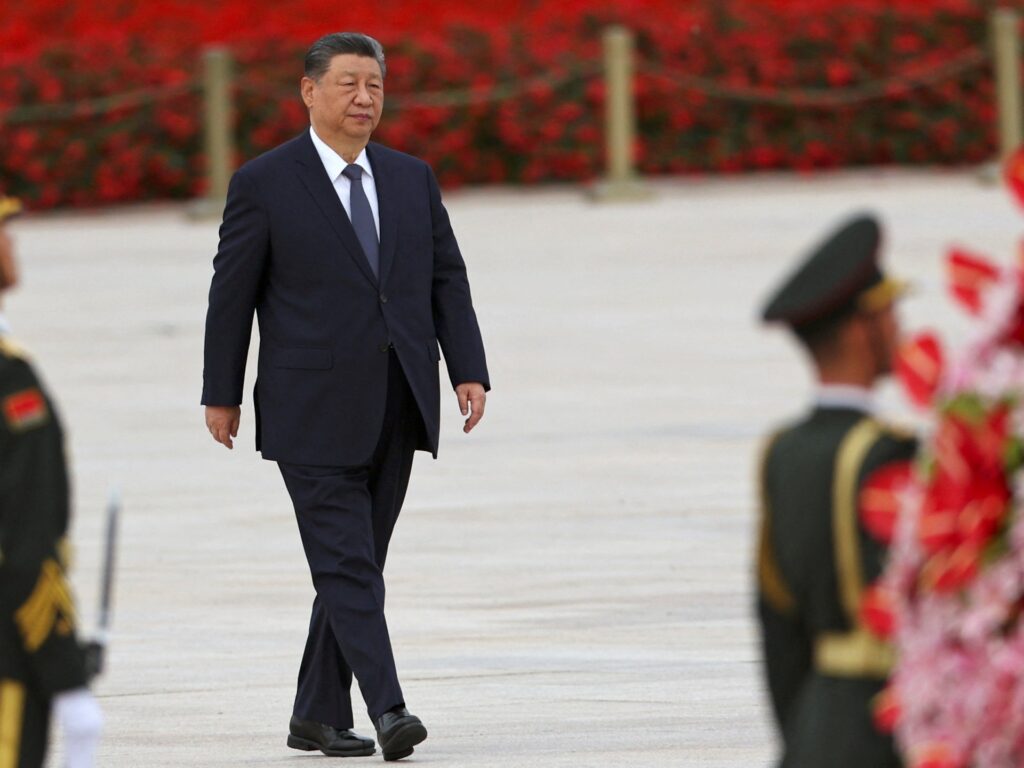
In early October 2026, the Chinese Communist Party (CCP) convened a four‑day plenary session that brought together the nation’s most senior officials. The gathering, held in Beijing’s Great Hall of the People, is part of the routine post‑Congress period when the Party reviews its internal rules and re‑asserts ideological control. While the agenda is officially framed as a “study of Party discipline,” analysts see it as a barometer for Xi Jinping’s next strategic push.
The timing is significant. The 20th Party Congress, held a year earlier, cemented Xi’s third term and signaled a shift toward a more centralized, personality‑driven leadership. Since then, the CCP has launched a sweeping anti‑corruption campaign that has removed hundreds of officials, many of them regional power brokers. The current meeting is the first major test of whether that campaign will intensify, soften, or change its focus as China navigates a slowing economy and external pressures.
Historically, discipline meetings serve dual purposes: they reinforce loyalty among cadres and signal policy direction to domestic and foreign observers. In the 1990s, similar sessions preceded China’s entry into the World Trade Organization, while in the 2010s they foreshadowed the Belt and Road Initiative’s expansion. Observers therefore read the language and tone of the speeches for clues about the next phase of China’s global engagement, especially with developing regions such as Africa.
What Happened: Key Decisions and Rhetoric
During the four days, senior officials delivered speeches that emphasized “political integrity, strict governance, and unwavering loyalty to the Party’s core.” The Central Commission for Discipline Inspection (CCDI) announced a set of new guidelines aimed at tightening financial disclosures for Party members and cracking down on “unreasonable extravagance” in official travel and hospitality. The guidelines also introduced harsher penalties for officials who facilitate foreign firms’ non‑compliant practices in China’s overseas projects.
One of the most closely watched moments was a televised address by Xi Jinping, in which he warned against “political complacency” and urged cadres to “guard the red line of loyalty.” While the speech did not name any individuals, it echoed the language used in 2023 when several senior provincial leaders were removed for alleged collusion with foreign investors. Sources close to the CCDI said the new rules will extend oversight to Chinese state‑owned enterprises (SOEs) operating abroad, a move that could reshape how China does business on the continent.[according to the South China Morning Morning]
The meeting also featured a rare public acknowledgment of the challenges facing China’s overseas infrastructure portfolio. A senior diplomat highlighted “risk management” and “sustainable financing” as priorities for Belt and Road projects, suggesting a possible recalibration of loan terms and a greater emphasis on environmental and social standards. This signals that China may be preparing to answer mounting criticism from debtor nations, including several African states, about debt sustainability and project transparency.
Why It Matters for Africa: Investment, Debt, and Influence
China remains Africa’s largest trading partner, and its state‑run banks have funded more than $150 billion in infrastructure projects across the continent since 2000. The tightening of Party discipline, especially the new oversight of overseas SOEs, could directly affect the flow of Chinese capital to African railways, ports, and power plants. If the CCDI’s rules curb corrupt practices in contract awarding, African governments may see a reduction in the “middle‑man” fees that have historically inflated project costs.[reportedly]
At the same time, the emphasis on “risk management” may lead Chinese lenders to re‑evaluate the creditworthiness of heavily indebted African nations such as Zambia, Kenya, and Ethiopia. Some analysts predict that stricter loan‑review mechanisms could result in a slowdown of new financing, forcing African leaders to seek alternative sources, including European Union funds or private‑sector bonds. This shift could alter the geopolitical balance on the continent, where China has built influence through infrastructure diplomacy.
Beyond finance, the political messaging from Beijing has cultural reverberations. African diaspora communities in Europe and North America have long watched China’s soft‑power campaigns—Confucius Institutes, media partnerships, and cultural festivals—with interest. A more disciplined Party could tighten control over these outreach programs, potentially reducing the visibility of Chinese cultural content that competes with African narratives. For African creators seeking Chinese co‑production deals, tighter oversight may mean more rigorous vetting but also greater assurance of project integrity.
Reactions: From African Leaders to Global Investors
African heads of state have issued cautious statements. Kenya’s President William Ruto praised China’s “commitment to responsible development,” while Zambia’s Finance Minister highlighted the need for “transparent and sustainable financing” in future agreements. Both remarks echo a broader desire among African governments to retain Chinese investment while addressing domestic concerns about debt and governance.[according to Reuters]
Western financial institutions, meanwhile, see an opening. The International Monetary Fund’s regional director noted that China’s internal tightening could create “space for multilateral lenders to play a larger role in financing Africa’s infrastructure gap.” European banks, which have been wary of competing directly with Chinese state funding, are reportedly exploring joint ventures that could blend Chinese capital with Western risk‑assessment standards.
Civil society groups across Africa have responded with mixed feelings. Transparency advocates welcome the prospect of stricter anti‑corruption measures, hoping they will reduce the opaque dealings that have plagued many projects. Conversely, labor unions fear that tighter Party control could translate into cost‑cutting measures that compromise worker safety and local employment quotas. In Nigeria, a coalition of NGOs has called for an independent audit of all Chinese‑funded projects, citing the new disciplinary guidelines as a timely lever to demand accountability.
What’s Next: Scenarios for China‑Africa Relations
If the CCDI’s new rules are enforced rigorously, the immediate effect could be a slowdown in the signing of fresh infrastructure contracts, as Chinese firms reassess compliance costs. In the short term, this may lead to a temporary dip in Chinese outbound investment, giving African governments a brief window to renegotiate existing loan terms or diversify funding sources. Some experts argue that this could ultimately improve the sustainability of projects, reducing the risk of debt distress.[according to the African Development Bank]
Alternatively, China may use the disciplinary crackdown as a branding tool, positioning itself as a more responsible partner. By publicising stricter oversight, Beijing could counter criticism from the United States and European Union that Chinese loans are a “debt trap.” If Chinese SOEs demonstrate higher standards of transparency, African partners might welcome renewed engagement, especially if loan conditions become more favorable and tied to measurable development outcomes.
A third possibility is a hybrid approach: China tightens internal controls while simultaneously offering a new suite of “green” Belt and Road loans that meet international environmental standards. Such a package could appeal to African nations eager to attract climate‑friendly financing and could align with the continent’s own commitments under the African Union’s Agenda 2063. The success of this model will depend on how quickly the Party’s disciplinary measures translate into concrete changes on the ground, and whether African leaders can leverage the shift to secure better terms for their development priorities.
Quick Answers
How will China’s new Party discipline rules affect existing Belt and Road projects in Africa?
The rules could tighten oversight of Chinese firms abroad, prompting reviews of loan terms and greater transparency, but they are unlikely to cancel already‑signed projects.
Will African countries receive less Chinese financing after the meeting?
Financing may slow as Chinese lenders apply stricter risk checks, though the overall volume could stay steady if projects meet the new compliance standards.
What should African investors watch for after China’s discipline crackdown?
They should monitor changes in Chinese SOE procurement policies, new loan‑review criteria, and any shifts toward greener, more transparent financing models.
Source: www.aljazeera.com



💬 Comments 0