Sarkozy and Carla Bruni trial 2026: French ex‑president faces corruption case amid looming elections
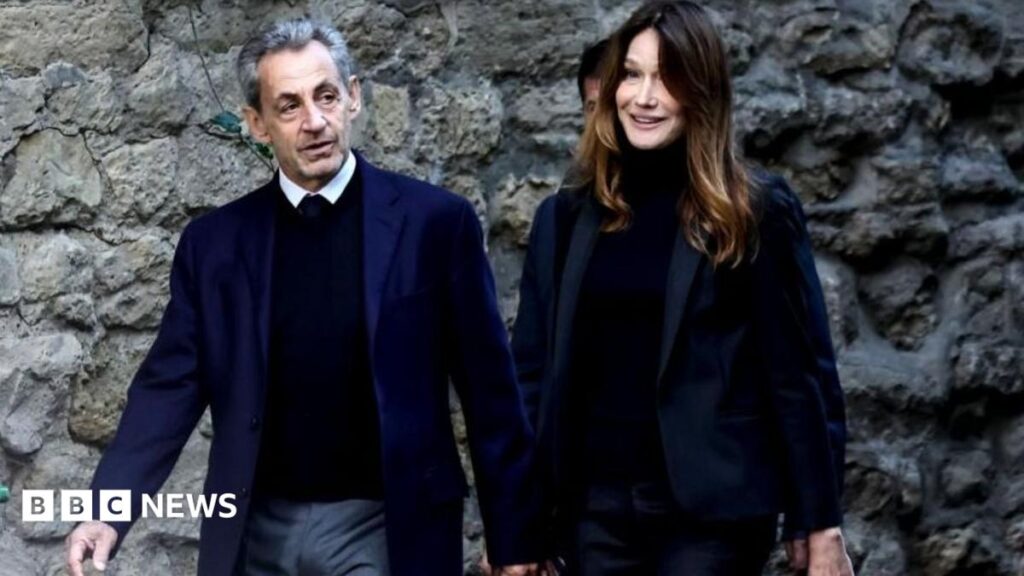
Background: From the Élysée to the courtroom
Nicolas Sarkozy, who led France from 2007 to 2012, has become the first former French head of state to serve a prison sentence, a milestone that shocked the nation when he was briefly incarcerated in 2025 for illegal campaign financing. His tenure was marked by a hard‑line stance on immigration, a push for deeper EU integration, and a controversial re‑engagement with several African leaders, reviving old "Françafrique" ties that many critics said needed reform.
The legal saga began in 2014 when investigators opened a probe into alleged kick‑backs from the 2007 presidential campaign. After years of hearings, a 2023 conviction for illegal campaign contributions led to a four‑year sentence, of which Sarkozy served eight months before being released on health grounds. The case resurfaced this autumn with fresh allegations involving his wife, singer‑songwriter Carla Bruni, concerning a separate money‑laundering scheme linked to luxury real‑estate deals in Paris.
The new trial: charges, timeline and stakes
The Paris Tribunal de Grande Instance opened proceedings on 22 November 2026, charging Sarkozy and Bruni with aggravated fraud, money laundering and misuse of corporate assets. Prosecutors allege that the couple used a network of shell companies to conceal over €150 million in illicit funds, some of which were allegedly funneled to offshore accounts in the Caribbean and the United Arab Emirates.
The trial is scheduled to run for three weeks, with a verdict expected by late December. If convicted, both could face additional prison time, heavy fines and a ban on holding public office for Sarkozy. Bruni, who has never held an elected position, could see her lucrative music and fashion ventures frozen, a move that would send shockwaves through France’s celebrity‑politics crossover culture.
Legal experts note that the case tests the independence of France’s judiciary after a series of high‑profile investigations into former presidents, including Jacques Chirac and François Hollande. The outcome could set a precedent for how France treats political elites accused of financial crimes.
Why it matters for France’s political landscape
France is gearing up for its 2027 presidential election, and the Sarkozy trial arrives at a volatile moment. Polls show a fragmented right‑wing bloc, with Marine Le Pen’s National Rally still strong and a new generation of centrist candidates emerging. Sarkozy’s legal troubles could either weaken the traditional Gaullist right or turn him into a martyr figure for voters who distrust the establishment.
The trial also raises questions about the rule of law in a country that prides itself on republican values. If the judiciary delivers a conviction, it could reinforce public confidence that no one is above the law. Conversely, a perceived miscarriage of justice might fuel anti‑establishment sentiment, feeding narratives that the courts are politicised.
Economic policy is another silent battleground. Sarkozy’s former economic platform, which emphasized tax cuts for high earners and deregulation, still influences the current debate on fiscal reform. A conviction could diminish the credibility of those policies, shifting the discourse toward more progressive taxation and tighter corporate oversight.
Ripple effects for Africa and the French diaspora
Sarkozy’s presidency was notable for its renewed engagement with African nations, especially through security accords and investment deals in West and Central Africa. While some saw this as a pragmatic reset of France’s post‑colonial ties, critics argued that it perpetuated opaque financial arrangements that benefited a narrow elite.
The current trial, therefore, carries symbolic weight for African leaders who have long navigated the murky waters of French aid and private investment. If the court uncovers concrete links between the alleged money‑laundering network and African business partners, it could trigger diplomatic inquiries and pressure France to tighten transparency requirements on overseas projects.
For the sizable African diaspora in France—estimated at 5 million people—the case is a litmus test of whether French justice applies equally to all citizens, regardless of origin or status. Community organisations have already issued statements urging the courts to act swiftly, arguing that a fair verdict could improve trust in institutions that many diaspora members feel alienated from.
Moreover, the trial may influence migration debates. Sarkozy’s hard‑line immigration policies, especially his 2010 ban on face coverings and his push for stricter asylum rules, are still referenced in current political rhetoric. A conviction could weaken the moral authority of those policies, potentially reshaping the narrative around France’s approach to migrants from Africa and the Sahel.
What’s next: possible outcomes and broader implications
Should the tribunal find Sarkozy and Bruni guilty, the immediate consequence will be a likely prison term for the former president and a substantial financial penalty for the couple. An appeal would be almost certain, extending the legal battle into 2028 and keeping the story in the public eye throughout the election cycle.
A not‑guilty verdict, while legally exonerating the pair, could still damage their reputations and embolden political opponents who have long painted Sarkozy as a symbol of corruption. It may also prompt calls for legislative reforms to close loopholes that allowed the alleged scheme to flourish, such as stricter reporting on offshore holdings and tighter regulation of political fundraising.
Beyond France, the trial could reverberate across the European Union, where other member states are watching how France handles elite accountability. It may encourage similar investigations into former leaders in Italy, Spain or Portugal, where corruption scandals have already shaken public trust. For Africa, any confirmed financial links could lead to joint anti‑money‑laundering initiatives between Paris and African financial regulators, a development that would align with the African Union’s push for greater fiscal transparency.
Quick Answers
What are the specific charges against Nicolas Sarkozy and Carla Bruni?
They are accused of aggravated fraud, money laundering and misuse of corporate assets involving more than €150 million in concealed funds.
When will the trial conclude and a verdict be delivered?
The trial runs for three weeks starting 22 November 2026, with a verdict expected by late December 2026.
How could the trial affect France's relationship with African countries?
If links to African business partners are proven, it may trigger diplomatic scrutiny, push for tighter transparency on French‑African deals and influence migration policy debates.
Source: www.bbc.co.uk




💬 Comments 0