Colombia to Open Embassy in Jerusalem 2026: What It Means for Latin America, the Middle East and Africa
Background – A promise that resurfaced after a campaign
During the 2022 presidential race, Abelardo De la Espriella pledged to deepen ties with Israel, a stance that set him apart from many of his regional peers. The promise was rooted in a broader vision of attracting Israeli investment in Colombian tech hubs and agricultural innovation, sectors that have struggled to secure foreign capital amid domestic turbulence.
Historically, most Latin American capitals have kept their embassies in Tel Aviv, following the United Nations’ long‑standing position that the status of Jerusalem should be resolved through negotiations. Only a handful of countries, such as the United States and Guatemala, have moved their missions to the contested city. Colombia’s decision therefore marks a notable shift in a region that has traditionally balanced economic interests with diplomatic caution.
The announcement – From foreign‑ministerial briefing to a concrete plan
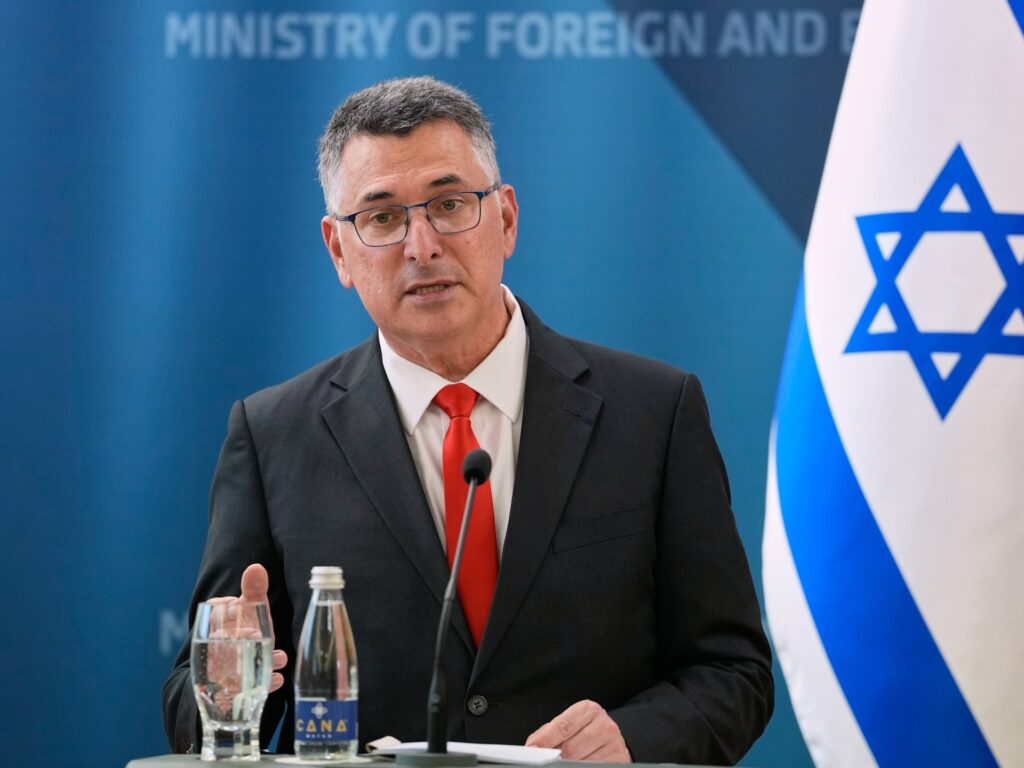
On October 7, Israeli Foreign Minister Eli Cohen confirmed that Colombia will open a full‑scale embassy in Jerusalem later this year. The statement came after a bilateral meeting in Tel Aviv where both sides outlined a timeline that includes the appointment of an ambassador, the acquisition of a diplomatic compound, and the establishment of a consular section for Colombian citizens in Israel.
Domestically, De la Espriella’s administration framed the move as a "strategic partnership" that will unlock Israeli expertise in renewable energy and cybersecurity. Opposition lawmakers, however, warned that the decision could alienate Arab‑Latin American communities and jeopardise Colombia’s standing in the Non‑Aligned Movement, where many members still support a two‑state solution.
Why it matters – Geopolitical ripple effects across continents
Colombia’s embassy in Jerusalem sends a clear signal that the tide of Latin American diplomacy may be turning eastward, aligning more closely with Washington’s pro‑Jerusalem agenda. The move could encourage other nations in the region—such as Peru or Mexico—to reconsider their own positions, especially if they perceive tangible economic gains from Israeli partnerships.
In the Middle East, the decision adds pressure on the stalled peace process. While Israel welcomes the endorsement, Palestinian officials have condemned the development as a violation of international consensus. The United Nations has yet to issue a formal response, but the episode underscores how bilateral gestures can quickly become flashpoints in a fragile geopolitical landscape.
African angle – A subtle cue for the continent’s own diplomatic calculus
African states have long been divided over the Jerusalem question. Nations like Kenya and Uganda maintain embassies in Tel Aviv, whereas South Sudan, after a 2023 diplomatic realignment, opened a liaison office in Jerusalem without full accreditation. Colombia’s step may be watched closely by African governments that balance economic ties with Israel against solidarity with the Palestinian cause.
For African investors, the Colombian‑Israeli partnership could open a new corridor for technology transfer. Israeli firms have already invested in Kenya’s agritech sector; a Colombian example of successful joint ventures could provide a template for African ministries seeking similar collaborations. Moreover, the decision may influence voting patterns at the African Union, where member states occasionally coordinate positions on Middle‑East resolutions.
What’s next – From paperwork to potential pushback
The practical rollout will involve selecting a site in Jerusalem’s diplomatic quarter, securing security clearances, and appointing an ambassador—likely a senior diplomat with experience in trade negotiations. Colombian officials have indicated that the embassy will also host a business council aimed at fostering Israeli‑Colombian start‑up exchanges.
Potential challenges loom on several fronts. Civil‑society groups in Colombia have announced protests, arguing that the move sidesteps the nation’s commitment to human‑rights advocacy. Internationally, the decision could invite criticism from the European Union, which has warned that unilateral embassy relocations may affect trade negotiations. Monitoring how Colombia navigates these pressures will be essential for assessing the durability of the new diplomatic posture.
Quick Answers
When will Colombia open its embassy in Jerusalem?
Colombia plans to inaugurate the embassy in Jerusalem before the end of 2026, following the appointment of an ambassador and the acquisition of a diplomatic compound.
How could Colombia’s embassy move affect African countries?
African states may view the decision as a precedent for deepening economic ties with Israel, influencing their own diplomatic choices and potential tech‑transfer collaborations.
What are the main reasons behind Colombia’s decision?
The government cites expected Israeli investment in renewable energy, cybersecurity, and agriculture as key benefits of moving the embassy to Jerusalem.
Source: www.aljazeera.com




💬 Comments 0