Cornell 7 lawyer demands removal of AG Letitia James over prior comments, sparking debate on prosecutorial bias in US campus rape cases
Background: The Cornell 7 case and its national spotlight
In early 2024, seven undergraduate students at Cornell University—collectively known as the "Cornell 7"—were charged with rape and other sexual assault offenses after a freshman alleged she was drugged and assaulted in a dormitory. The case quickly moved beyond the campus, drawing national media attention and prompting a broader conversation about how universities handle sexual violence allegations.
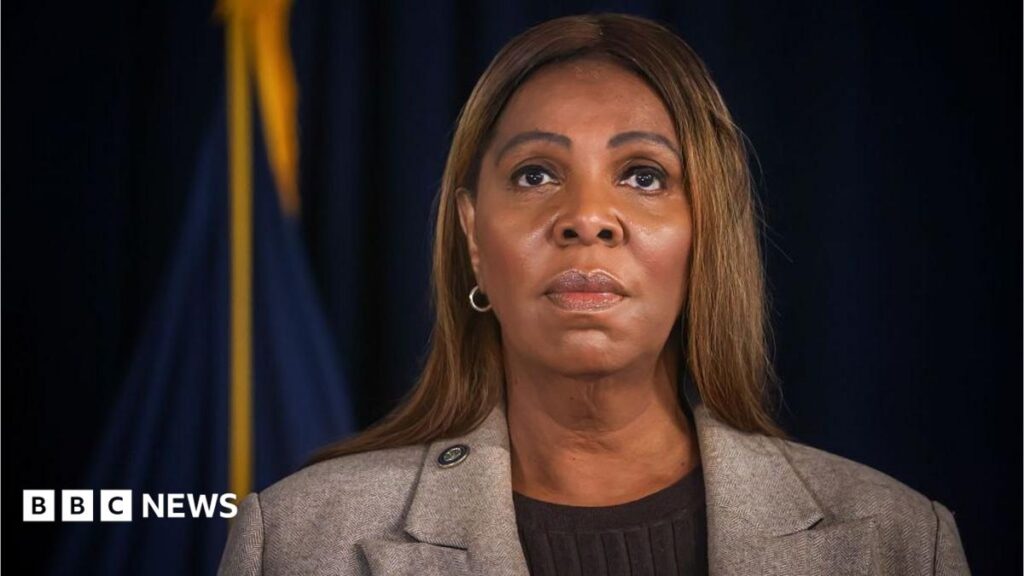
New York Attorney General Letitia James opened a civil investigation into the university’s handling of the complaint, citing concerns that Cornell may have failed to protect the victim and may have engaged in procedural lapses. The AG’s office issued a series of public statements and press releases, positioning the investigation as a test of whether state oversight is needed to ensure fairness for both accusers and the accused.
The lawyer’s demand: Why prior comments could merit disqualification
On October 5, 2026, attorney Michael D. Kessler, representing three of the accused students, filed a motion asking the court to remove AG Letitia James from the investigation. Kessler argues that James’s public remarks—particularly a tweet in March 2024 calling the case "a stark reminder of systemic misogyny on elite campuses"—demonstrate a preconceived stance that could compromise her objectivity.
Kessler’s filing cites New York’s Judicial Conduct Act, which requires prosecutors to avoid any appearance of bias. He further points to a July 2025 interview where James said, "If these allegations are true, we must hold the university accountable," suggesting that she entered the probe with a predetermined conclusion. The lawyer contends that such statements violate the standard of impartiality that underpins the criminal justice system.
Legal and ethical standards for prosecutors in high‑profile investigations
Prosecutorial ethics in the United States are governed by both state statutes and the American Bar Association’s Model Rules of Professional Conduct. Rule 3.6, for instance, bars prosecutors from making public comments that could prejudice a case’s outcome. While the AG’s office is a civil investigative body, its findings often feed into criminal proceedings, blurring the line between civil oversight and prosecutorial action.
Legal scholars note that courts have occasionally removed prosecutors for public statements that suggest a lack of neutrality. In 2021, a New York judge dismissed a district attorney from a high‑profile homicide case after the prosecutor repeatedly referred to the suspect as "evil" in media interviews. However, such removals are rare, and courts typically weigh the need for continuity against the risk of bias.
Wider implications: Campus sexual assault adjudication and public trust
The Cornell 7 dispute sits at the intersection of two contentious arenas: campus sexual assault policies and the role of state authorities in university matters. Critics of the AG’s involvement argue that state‑level investigations can undermine the Title IX process, which is already under scrutiny for both over‑reach and under‑enforcement. Supporters claim that external oversight is essential when institutions appear to protect privileged students at the expense of victims.
If a court orders James’s removal, it could set a precedent for future investigations into campus misconduct. Universities might be emboldened to resist external probes, citing prosecutorial bias, while advocacy groups could push for stricter rules limiting what officials can say publicly about ongoing cases.
The African diaspora angle: How U.S. campus cases affect African students abroad
African and African‑American students constitute a growing share of the international student body at elite U.S. universities. According to the Institute of International Education, African enrolments at U.S. colleges rose by 23 % between 2019 and 2024, with many attending Ivy League schools such as Cornell.
The handling of the Cornell 7 case resonates with African diaspora students who often face cultural stigma around reporting sexual violence. In many African societies, victims risk being ostracised, and the perception that U.S. institutions may bias in favour of affluent, predominantly white students can reinforce hesitancy to come forward. A 2025 survey by the African Students Association at Cornell found that 38 % of respondents felt “unsure whether the university would treat them fairly” in a sexual assault allegation. The outcome of the AG’s investigation—and any potential disqualification—could therefore influence how African students view the safety and fairness of studying abroad.
What’s next? Possible scenarios and their impact on the legal landscape
The court has not yet ruled on Kessler’s motion. If it grants the removal, the AG’s office will likely appoint a special prosecutor or an independent counsel to continue the inquiry, preserving the investigation’s momentum while addressing bias concerns. Such a move would demonstrate a willingness to uphold ethical standards, potentially restoring confidence among critics.
Conversely, if the court denies the motion, the case will proceed under James’s oversight, but the decision could fuel further calls for legislative reforms that tighten restrictions on public comments by prosecutors in high‑profile investigations. Lawmakers in New York have already floated a bill that would require prosecutors to obtain judicial approval before making any media statements about ongoing investigations.
Regardless of the immediate outcome, the Cornell 7 saga will remain a reference point for future debates about the balance between transparency, victim advocacy, and the right to a fair trial—issues that reverberate across campuses, courtrooms, and diaspora communities worldwide.
Quick Answers
Why is the lawyer asking for Attorney General Letitia James to be removed from the Cornell 7 case?
The lawyer says James’s past public comments suggest she has already formed an opinion, which could violate New York’s rules requiring prosecutors to remain impartial.
How could this case affect African students studying in the United States?
The handling of the case influences perceptions of fairness on U.S. campuses, and many African students worry about bias and stigma when reporting sexual assault.
What could happen if the court orders the AG’s removal?
A special prosecutor or independent counsel would likely take over the investigation, aiming to preserve its credibility while addressing concerns about bias.
Source: www.bbc.co.uk




💬 Comments 0