Cornell campus tension spikes as 2024 allegations resurface, students describe ‘dark cloud’ atmosphere
Background: The 2024 allegations that have resurfaced
In early 2024, Cornell University was thrust into the national spotlight after a series of allegations emerged concerning the university’s handling of a high‑profile sexual assault case. Critics argued that the Title IX office had delayed investigations and that key evidence had been overlooked. The controversy prompted a federal audit and a campus‑wide review of policies, but the university stopped short of admitting systemic failure.
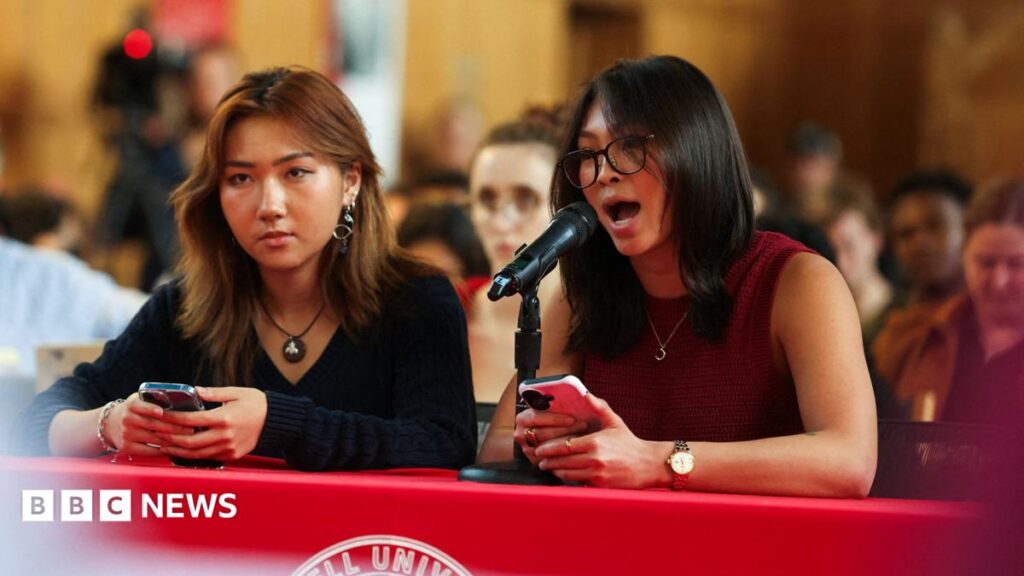
The story lingered in the media for months, but a fresh wave of complaints in late summer reignited public attention. Former complainants, now senior students, claimed that promised reforms had not materialised, and that the university’s internal reports remained inaccessible. The BBC’s recent coverage captured the renewed unease, quoting students who described a “dark cloud” hanging over the campus.
Why the renewed tension matters to the broader campus community
The resurfacing of the allegations has done more than revive a past scandal; it has exposed lingering mistrust between students and Cornell’s administration. When a university appears to sidestep accountability, it erodes confidence in essential support services, from counseling to legal aid. For many, the fear is that future victims will encounter the same bureaucratic roadblocks, discouraging them from reporting incidents.
Beyond individual safety, the climate influences academic performance and campus life. Studies from the American Council on Education show that perceived campus insecurity can lower GPA averages by up to 0.2 points and increase dropout rates. Cornell, a flagship Ivy League institution, risks seeing a dip in enrollment if prospective students and their families view the environment as unsafe.
African and diaspora students: a perspective often missing from US media
Cornell hosts a vibrant African student community, with over 1,200 students hailing from the continent and its diaspora. Organizations such as the Cornell African Students Association (CASA) and the African Women’s Leadership Initiative have long advocated for inclusive policies that address the specific vulnerabilities of African and Black students on campus.
Sources within CASA say that the renewed tension has amplified feelings of isolation for many African scholars, who already navigate cultural adjustment and occasional racism. "When the university fails to protect any student, it disproportionately harms those of us who already feel marginalised," one senior from Nigeria told the BBC. The episode also resonates with students in African universities, where campus safety and gender‑based violence remain pressing concerns.
A broader pattern: Campus unrest across the United States
Cornell’s situation mirrors a growing wave of campus unrest that has swept U.S. higher‑education institutions since 2022. From the University of Michigan’s Title IX overhaul to the free‑speech protests at the University of California, Berkeley, colleges are wrestling with how to balance due process, survivor rights, and academic freedom. According to a 2025 report by the National Association of Student Personnel Administrators, more than 40% of universities have faced at least one major controversy related to sexual misconduct or free‑speech disputes in the past three years.
The pattern suggests that universities are being held to higher standards by an increasingly vocal student body and a media landscape that amplifies grievances in real time. For African students, who often rely on U.S. institutions for research collaborations and scholarships, the stakes are especially high. A failure to address systemic issues may deter future partnerships and reduce the flow of African talent into American academia.
What’s next? Possible outcomes and actions for Cornell and its students
University officials have pledged a new independent review panel, slated to release findings by early 2027. The panel, composed of legal scholars, survivor advocates, and representatives from minority student groups, is expected to recommend concrete changes to Cornell’s Title IX procedures and to create a transparent reporting dashboard.
Student groups are already mobilising for a more immediate response. A coalition of African, LGBTQ+, and women’s rights organisations has drafted a joint petition demanding a campus‑wide town hall, an overhaul of the grievance filing system, and increased funding for culturally competent counseling services. If the administration hesitates, the coalition warns it will organise a series of peaceful demonstrations, echoing the tactics that have succeeded at other universities.
For African and diaspora students, the coming months will be a litmus test of whether Cornell can translate promises into protective policies. Their experience will likely inform how other Ivy League schools engage with international student bodies on safety and inclusion.
Quick Answers
What were the original 2024 allegations at Cornell University?
The 2024 allegations concerned alleged mishandling of a sexual assault case, with critics saying the Title IX office delayed investigations and ignored key evidence.
How are African students at Cornell affected by the renewed campus tension?
African students report heightened feelings of isolation and fear, fearing that inadequate university responses to misconduct disproportionately impact marginalized groups.
What steps is Cornell taking to address the resurfaced allegations?
Cornell has announced an independent review panel to examine its Title IX processes and has pledged a transparent reporting dashboard to be released by early 2027.
Source: www.bbc.co.uk




💬 Comments 0