Cornell rape case 2024: Jane Doe sues, Gov. Hochul says officials ‘failed’
Background – A campus under scrutiny
The alleged assault took place in the spring of 2024 at a Cornell University fraternity house, where a woman identified only as Jane Doe says she was raped by seven members. The case resurfaced after a New York state investigation into the university’s handling of the complaint, a process that began when the survivor filed a civil lawsuit earlier this year.
Cornell, an Ivy League institution in Ithaca, New York, has faced multiple Title IX investigations over the past decade. Critics argue that the university’s internal procedures often protect perpetrators and silence victims, a pattern echoed at many elite U.S. campuses. The latest inquiry adds pressure on the administration to demonstrate compliance with federal sexual‑assault guidelines.
The allegations and the state inquiry
Jane Doe’s lawsuit alleges that university officials ignored her report, delayed the investigation, and allowed the accused students to remain on campus while the case lingered. According to court filings, she reported the assault in August 2024, but the Title IX office failed to open a formal inquiry for more than three months.
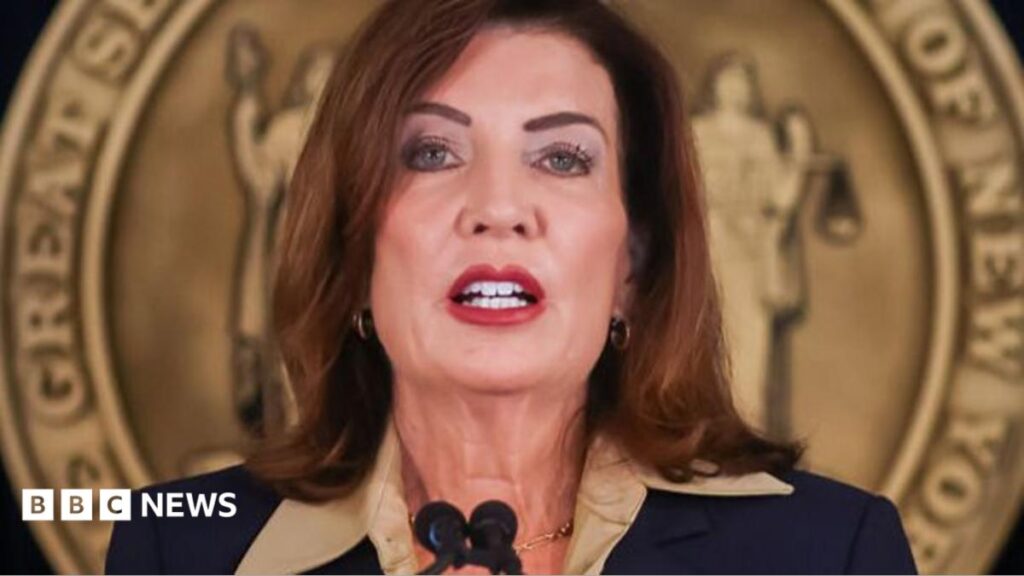
New York Governor Kathy Hochul’s office launched an independent review after the survivor’s claims went public. The review, conducted by the state’s Office of the Attorney General, concluded that “multiple procedural failures” prevented a timely and transparent response. Hochul publicly described the outcome as a “failure of officials” and promised corrective action.
Political fallout in New York
Governor Hochul’s remarks have turned the Cornell case into a flashpoint in New York politics. The governor, who campaigned on strengthening protections for survivors of sexual violence, vowed to tighten oversight of all state‑funded colleges. In a press conference, she said the state would consider legislation that would require universities to publish detailed timelines of Title IX investigations, a move praised by advocacy groups but opposed by some university administrators who warn it could compromise due‑process rights.
State legislators from both parties have seized on the story. A bipartisan group of senators introduced a bill, the Campus Safety and Transparency Act, which would give the state authority to audit any higher‑education institution that receives public funds and is found to have mishandled sexual‑assault complaints. Sources close to the bill say it could become law before the end of the legislative session if the governor’s office backs it.
Why it matters for African students and diaspora communities
The Cornell saga resonates far beyond Ithaca because many African students study at U.S. universities under scholarship programs or as part of exchange agreements. According to the Institute of International Education, more than 15,000 African nationals were enrolled in U.S. higher‑education institutions in 2023, many of whom face cultural and linguistic barriers when reporting sexual violence.
African diaspora organizations have highlighted the case as a cautionary example of how institutional inertia can silence survivors from under‑represented backgrounds. A statement from the African Student Union at Cornell noted that the university’s past handling of similar complaints often left international students feeling “invisible and unsupported.” The governor’s push for transparency could set a precedent that African‑origin students in other states might leverage to demand better protection.
What comes next – reforms and ongoing legal battles
Cornell has pledged to overhaul its Title IX office, hiring an external compliance firm and committing to a public report on its handling of sexual‑assault cases within the next 90 days. The university’s president, Martha E. Pollack, told reporters that the institution would adopt a “victim‑centered” approach, though she stopped short of confirming any specific policy changes.
Legal experts say the civil suit could pressure other universities to settle similar claims before they reach court. “When a high‑profile case like this garners state‑level scrutiny, it creates a ripple effect across the entire higher‑education sector,” said Dr. Lila Ahmed, a professor of education law at Columbia University. The outcome may also influence pending Title IX rulemaking at the federal level, where the Department of Education is reviewing how colleges must address sexual‑assault allegations.
Quick Answers
Who is Jane Doe in the Cornell rape case?
Jane Doe is the pseudonym used by the survivor who alleges she was raped by seven fraternity members at Cornell in 2024.
What did Governor Kathy Hochul say about the investigation?
Governor Hochul called the university officials “failed” and announced a state review that could lead to new oversight legislation.
How might the case affect African students studying in the U.S.?
The case highlights gaps in support for international students, prompting African student groups to demand clearer reporting mechanisms and could inspire similar reforms at other campuses.
Source: www.bbc.co.uk




💬 Comments 0