Cornell suspends fraternity parties after alleged campus gang rape case in 2026
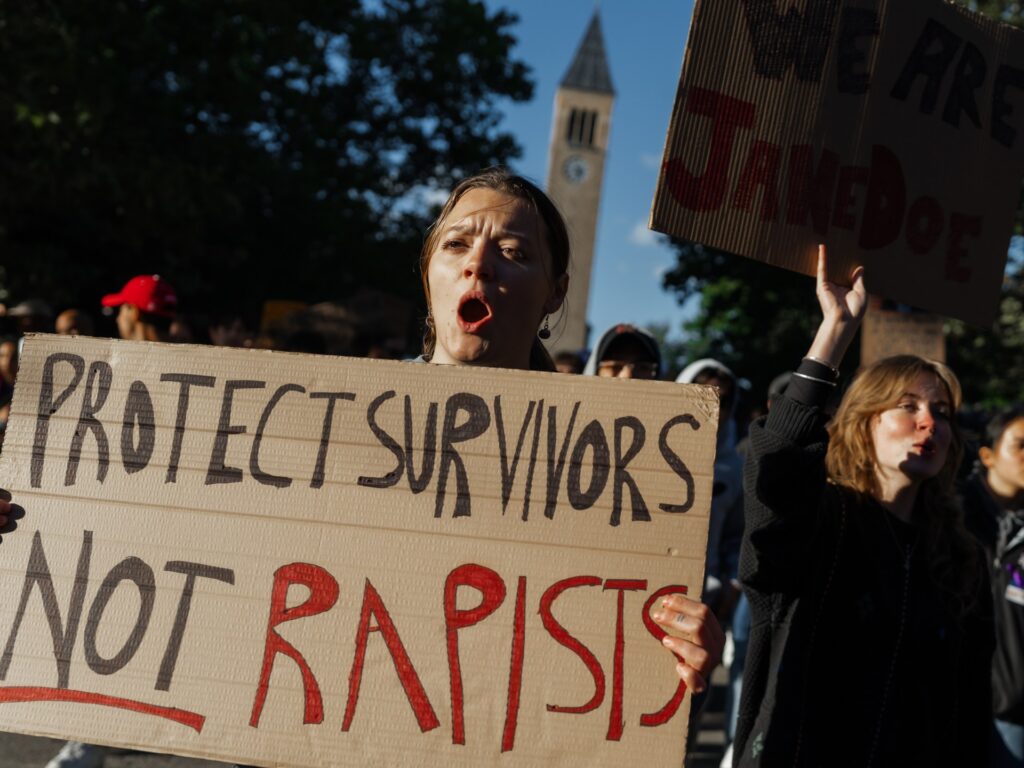
Background
Cornell University, located in Ithaca, New York, has long maintained a reputation for academic excellence and a vibrant campus life that includes Greek‑letter organizations. In recent years, however, the university and the wider higher‑education sector have faced mounting scrutiny over sexual violence allegations, leading to a series of reforms and heightened oversight of student conduct.
The university’s Office of Student Affairs has historically managed fraternity and sorority activities through a system of permits and compliance checks. Despite these measures, incidents of misconduct, including alcohol‑related assaults, have repeatedly surfaced across the United States, prompting calls for stricter enforcement and, in some cases, the removal of parties from campus grounds.
The Incident and Immediate Response
On October 12, 2026, a group of students reported a gang‑rape incident that allegedly took place during a fraternity‑hosted party on campus. The allegations, which involve multiple perpetrators and a victim who was reportedly unconscious due to alcohol consumption, were confirmed by the university’s Office of Student Conduct after a preliminary investigation.
In response, Cornell’s administration issued an emergency suspension of all fraternity‑hosted parties for a minimum of 12 months, citing violations of campus policy and the university’s Code of Conduct. The suspension also extended to all Greek‑letter organizations’ use of campus venues for social events, pending a comprehensive review of safety protocols.
The university’s president publicly stated that the decision was “necessary to protect the wellbeing of all students and to uphold the institution’s commitment to a safe learning environment.” The administration also announced that any fraternity found to have violated the suspension would face disciplinary action, including potential revocation of Greek‑letter status.
Why It Matters
The suspension reflects a broader shift in how American universities are addressing sexual assault: moving from reactive to proactive measures. By cutting off party venues, Cornell signals that it will not tolerate environments that facilitate or enable such violence.
For students, especially those from the African diaspora who may attend or be invited to Greek parties, this move underscores a growing recognition of the risks associated with large, alcohol‑heavy gatherings. It also highlights the need for universities to create safer, inclusive spaces for all cultural backgrounds.
Beyond campus, the decision sets a precedent that could influence policy at other institutions, particularly those in Africa where student parties and fraternities are common. African universities have been grappling with similar incidents, and Cornell’s decisive action may prompt them to re‑evaluate their own guidelines on student events and alcohol consumption.
Reactions from Students and the African Community
Within Cornell, student groups—including the African Student Union—expressed mixed feelings. While many welcomed the ban as a step toward safety, others criticized the blanket approach, arguing it could unfairly stigmatize Greek organizations and limit student social life.
African students on campus reported feeling a heightened sense of security after the announcement, noting that many of them previously attended fraternity events out of social pressure. An African student representative said, “We’ve always felt the need to fit in, and this decision gives us a chance to reassess what kind of social circles we want to engage with.”
In Nigeria, student leaders in universities that host fraternities and sororities echoed Cornell’s stance, calling for stricter enforcement of campus rules and greater emphasis on sexual‑violence prevention. The Nigerian Ministry of Education’s spokesperson mentioned that the incident could serve as a catalyst for reviewing national policies on student conduct.
Next Steps and Future Outlook
Cornell’s Office of Student Affairs will conduct a semester‑long audit of all Greek‑letter organizations, focusing on event planning, alcohol distribution, and security measures. The university has pledged to provide additional training on consent and bystander intervention for all students.
The administration plans to collaborate with national and international sexual‑violence prevention groups to develop a campus‑wide safety plan. This includes the installation of additional security cameras, the creation of a 24/7 reporting hotline, and the introduction of mandatory safety briefings for all parties held on campus.
For African institutions, the Cornell case may prompt a review of student event policies. Several universities in Kenya, Ghana, and South Africa have already announced plans to tighten regulations on student parties, citing similar concerns about alcohol‑related violence. The ripple effect could lead to a continent‑wide shift toward safer campus environments.
Quick Answers
What exactly is the suspension imposed by Cornell on fraternities?
Cornell has suspended all fraternity‑hosted parties for a minimum of 12 months, restricting the use of campus venues for social events until a full safety review is completed.
How will this affect African students at Cornell?
African students may feel a safer campus atmosphere, but some may also question the impact on social networking opportunities traditionally offered through fraternity events.
Could this decision influence policies in African universities?
Yes; the case may prompt African institutions to strengthen their regulations on student parties and alcohol consumption to prevent similar incidents.
Source: www.aljazeera.com




💬 Comments 0