Cuba power blackout September 2026: sixth outage this year amid US energy embargo and its ripple effects on tourism, African ties and sanctions
Background: The U.S. energy blockade and Cuba’s chronic power woes
Since early 2024, the United States has tightened an energy‑related embargo that bars the export of fuel, spare parts and high‑efficiency turbines to Cuba. The move, framed as a response to Havana’s support for the Russian war in Ukraine, has crippled the island’s already fragile grid, which depends on a mix of aging Soviet‑era plants and limited renewable capacity.
Cuba’s power network has been under strain for decades, but the embargo has accelerated the deterioration of critical infrastructure. Without access to modern generators or the ability to import diesel for backup, utilities have been forced to ration electricity, leading to rolling blackouts that often last several hours. The pattern mirrors the energy shortages experienced in other U.S.–sanctioned states such as Venezuela and Iran.
The blackout cycle has also exposed the limits of Cuba’s recent attempts at reform. While the government announced modest price liberalisations and a push for renewable projects in 2025, those initiatives require foreign investment and technology that the embargo now blocks, leaving the island in a paradox of policy ambition and material scarcity.
The September 19 blackout: scope and immediate fallout
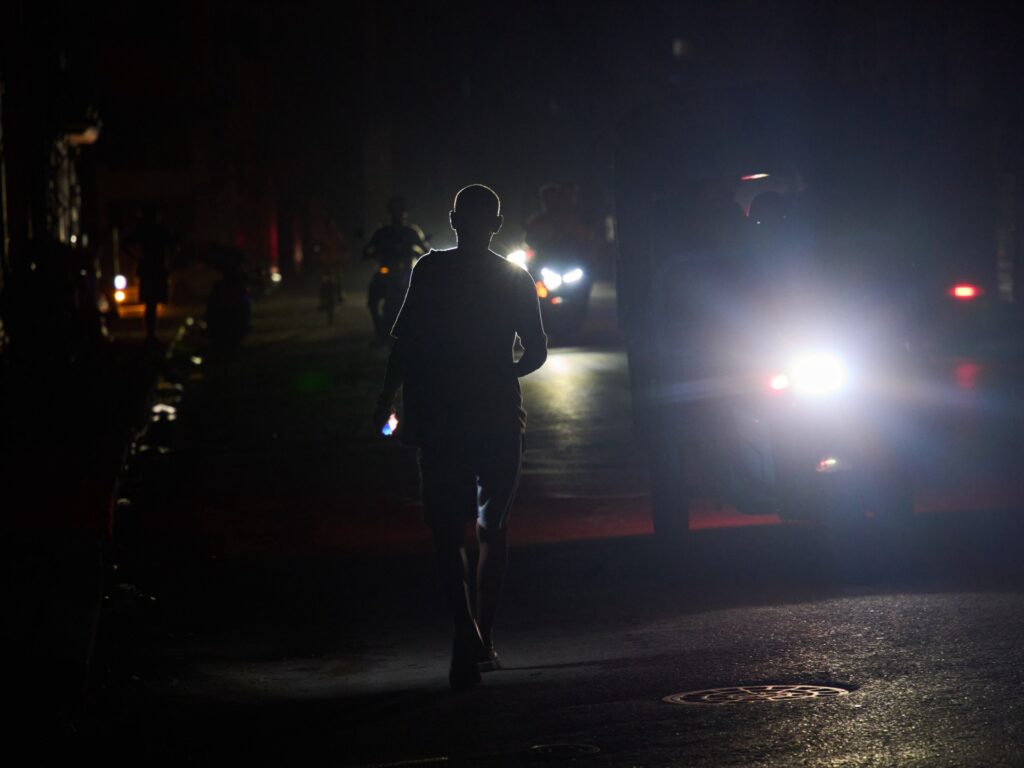
On Monday, September 19, the national grid collapsed for an estimated six to eight hours, affecting all 15 provinces. The Ministry of Energy reported that a failure at the central transmission hub in Havana triggered a cascade that overloaded backup generators across the country. Residents in Havana, Santiago de Cuba and the tourist hotspot of Varadero described streets illuminated only by car headlights and small generators humming in residential yards.
Hospitals, already operating on limited power, switched to emergency diesel generators, but the shortage of fuel meant some intensive‑care units ran at reduced capacity. Schools cancelled classes, and public transport ground to a halt as electric trams and metro lines lost power. The tourism sector, which contributes roughly 10 % of Cuba’s GDP, saw hotels scramble to provide alternative lighting and refrigeration for perishable goods.
Social media in Cuba, despite limited internet access, erupted with complaints about food spoilage, loss of income for street vendors and concerns over the safety of patients dependent on life‑support equipment. The blackout was the sixth major outage reported this year, according to the Cuban Observatory of Energy, underscoring a pattern of recurring failures.
Why it matters for Africa and the Cuban diaspora
Cuba’s medical diplomacy, a legacy of the 1960s, still sends doctors and nurses to African nations such as Angola, South Africa and the Democratic Republic of Congo. The blackout disrupted the training centre in Havana that hosts African medical students, postponing courses and delaying the deployment of new personnel to clinics across the continent.
Tourism from Africa, though modest, has been on an upward trend, especially from South Africa and Kenya, where adventure‑travel agencies market Cuba’s historic Afro‑Cuban culture. The power cut forced several boutique hotels that cater to African tourists to cancel bookings, potentially denting a niche revenue stream that helps diversify Cuba’s economy beyond sugar and nickel exports.
For the Cuban diaspora in the United States and Europe, the blackout reignited debates about the embargo’s humanitarian impact. Diaspora organisations, many of which have strong ties to African‑American and Afro‑Caribbean communities, organised relief drives that included solar lanterns and portable battery packs, echoing similar grassroots responses seen during power crises in Nigeria’s Lagos and Kenya’s Nairobi.
A broader pattern: sanctions, energy as a geopolitical lever
The Cuban blackout fits a growing global trend where energy access is weaponised in foreign policy. The United Nations has warned that sanctions that restrict fuel and electricity can constitute collective punishment, a criticism also levied against U.S. measures on Iran’s petro‑industry and against EU sanctions on Sudan’s oil sector.
African nations have felt the ripple effects of such policies. For example, the 2023 U.S. decision to limit oil exports to Sudan contributed to a spike in electricity prices in Khartoum, prompting protests. Similarly, the embargo on Cuba has prompted calls from the African Union for a review of sanction regimes that disproportionately affect civilian populations.
Analysts note that the repeated blackouts could push Cuba to deepen ties with non‑Western allies, such as China and Russia, which have already offered technical assistance for renewable projects. If Havana turns to Chinese solar firms, African countries that rely on Chinese equipment may see a new competitive dynamic in the Caribbean market.
What’s next: policy options and regional implications
In the short term, Cuban authorities have announced an emergency procurement of diesel from Venezuela and a request for humanitarian fuel shipments from the United Nations. However, the U.S. blockade blocks most commercial channels, meaning any relief will likely be piecemeal and subject to political negotiation.
Long‑term solutions could involve a regional energy partnership that includes Caribbean neighbours and African island states such as Cape Verde. A joint investment in offshore wind or solar‑plus‑storage could reduce Cuba’s reliance on imported fossil fuels and create export opportunities for African renewable firms looking to enter the Latin American market.
For African investors and diaspora entrepreneurs, the crisis highlights both risk and opportunity. Companies that can supply off‑grid solar kits, battery storage and micro‑grid technology may find a receptive market in Cuba’s underserved communities, while also positioning themselves as partners in a broader push against energy‑based sanctions.
Quick Answers
How many major power outages has Cuba experienced in 2026?
Cuba has suffered at least six major nationwide blackouts so far in 2026, according to the Cuban Observatory of Energy.
Why is the United States imposing an energy blockade on Cuba?
The U.S. blockade, tightened in early 2024, is a response to Cuba’s political alignment with Russia and aims to limit Havana’s access to fuel, turbines and spare parts.
What impact does the Cuban blackout have on African medical cooperation?
The outage delayed training for African medical students in Havana and could postpone the deployment of Cuban doctors to African health facilities.
Source: www.aljazeera.com
💬 Comments 0