UN says US strikes on drug boats killed 223 in 68 attacks – crimes against humanity
Background: US drug‑interdiction policy goes offshore
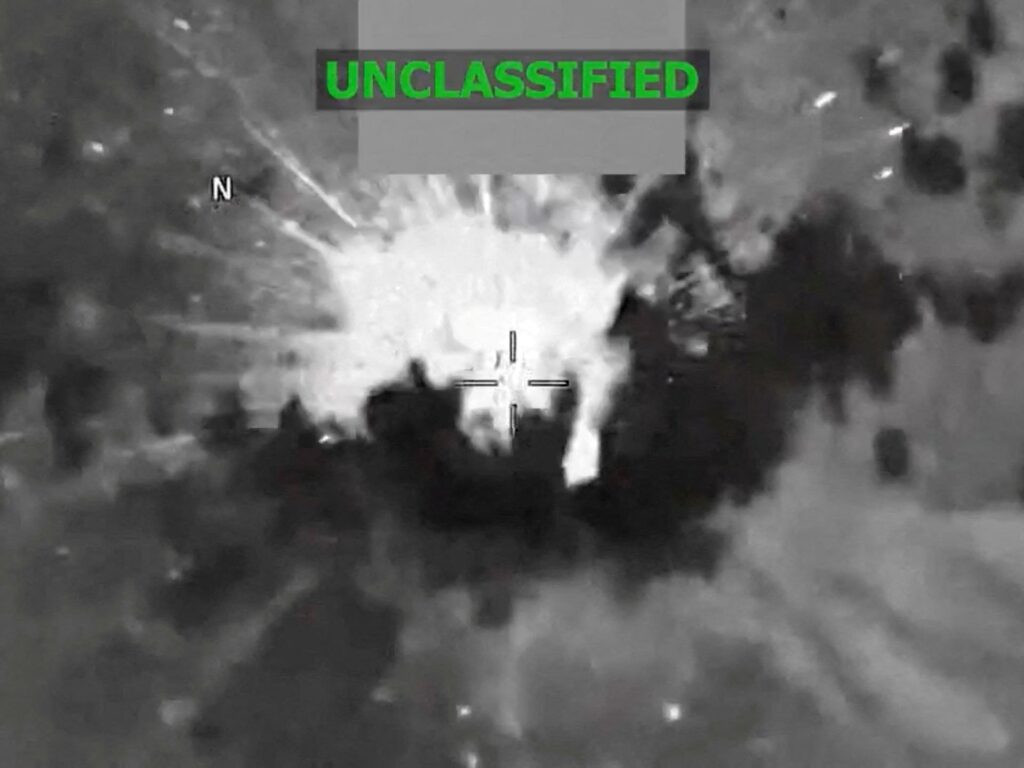
Since the early 2000s the United States has increasingly relied on naval and air power to intercept drug shipments before they reach American shores. The doctrine, formally called the “Maritime Interdiction Operation” (MIO), authorises the Coast Guard, Navy and, in some cases, special‑operations units to board, seize or, if deemed necessary, destroy vessels suspected of carrying illicit narcotics in international waters.
The strategy gained momentum after the 2010‑2015 surge in cocaine flows from South America through the Caribbean and the Pacific. By the mid‑2020s, US officials claimed the approach had cut the volume of cocaine entering the United States by roughly 30 percent, a figure that has been disputed by independent analysts who point to the rise of synthetic opioids and new trafficking corridors.
The aggressive posture has drawn criticism from human‑rights organisations for its lack of transparency, the use of lethal force without due process, and the collateral impact on small‑scale fishermen and coastal communities that are often caught in the crossfire.
What the UN report says
In a briefing to the UN Human Rights Council, independent expert Michael Fakhri warned that US forces have killed at least 223 people in 68 separate attacks on vessels in the Caribbean and the Pacific over the past twelve months. The figure includes both suspected traffickers and, according to the report, several civilians whose identities remain unverified.
Fakhri argued that the pattern of lethal engagements—often carried out from aircraft or unmanned drones—fits the legal definition of “extrajudicial killings” and could amount to crimes against humanity if proven to be part of a systematic policy. He cited the lack of post‑operation investigations and the denial of any judicial oversight as evidence of impunity.
The UN expert called for an immediate suspension of the practice, a transparent investigation into each incident, and for the United States to submit its operations to an independent international review body. He also urged the UN to consider sanctions if the US fails to comply with basic human‑rights standards.
Why it matters for international law and US credibility
If the UN’s allegations are substantiated, Washington could face its first major legal challenge over a foreign‑policy operation that is not directly tied to an armed conflict. International law permits interdiction in international waters, but the use of lethal force must be proportionate, necessary, and subject to judicial review—standards that many observers say the US has ignored.
The controversy threatens to erode US moral authority on the global stage, especially at a time when Washington is pushing for stricter human‑rights clauses in trade agreements and climate accords. Allies in Europe and the Pacific have already expressed concern, with the European Parliament planning a resolution condemning the strikes.
Domestically, the revelations could fuel bipartisan calls for reform. Lawmakers from both parties have introduced bills to increase oversight of the Coast Guard’s “Rule of Engagement” and to require congressional approval for any lethal action taken outside US territorial waters.
African connections: West Africa’s role in the drug trade and diaspora implications
West African ports such as Abidjan, Lagos and Accra have become key trans‑shipment hubs for cocaine moving from South America to Europe and North America. The same routes that feed the Caribbean and Pacific interdiction zones also involve African smugglers who use small fishing vessels to avoid detection.
The UN’s focus on US strikes highlights a broader pattern of external powers policing drug routes that cut through African waters. Ghana’s maritime authority recently reported a 27 % rise in suspicious vessel activity linked to narcotics, prompting calls for regional cooperation with the US and the EU. However, African governments fear that any joint enforcement could replicate the “shoot‑first” mentality criticised in the UN report.
For the African diaspora in the United States, the issue is personal. Many families in cities like New York and Miami trace their roots to West African communities that are now under increased scrutiny. The potential criminalisation of entire fishing sectors could exacerbate unemployment, push more youths toward illicit economies, and deepen anti‑immigrant sentiment in the US.
What could happen next: diplomatic fallout and possible reforms
The UN’s declaration is likely to trigger a diplomatic row. The United States may defend its actions as a legitimate anti‑narcotics effort, but the growing chorus of human‑rights advocates could push the issue onto the agenda of the International Criminal Court, where the US has historically resisted jurisdiction.
In the short term, the US may seek to soften the criticism by increasing the transparency of its after‑action reports and by inviting third‑party observers on board its patrol vessels. Some legislators have suggested a “no‑kill” policy for interdiction, mirroring a similar approach adopted by the UK’s Royal Navy in 2023.
For African states, the episode could be a catalyst to negotiate clearer rules of engagement with the US, ensuring that joint operations respect local laws and protect civilian fishermen. Regional bodies such as ECOWAS are already drafting a framework that would require any foreign naval activity in West African waters to be coordinated through a regional command centre.
Quick Answers
How many people were killed in US drug‑boat strikes according to the UN?
The UN expert reported that at least 223 people died in 68 separate attacks over the past year.
Why does the UN consider the US strikes a possible crime against humanity?
Because the killings appear to be part of a systematic policy that uses lethal force without judicial oversight, meeting the legal criteria for crimes against humanity.
What impact could these strikes have on West African drug routes?
Increased US enforcement may push traffickers to use more covert African ports, raising security concerns for West African nations and their fishing communities.
Source: www.aljazeera.com

💬 Comments 0