Daniel Kinahan appears in Dublin court after Dubai extradition; bullet‑proof van used
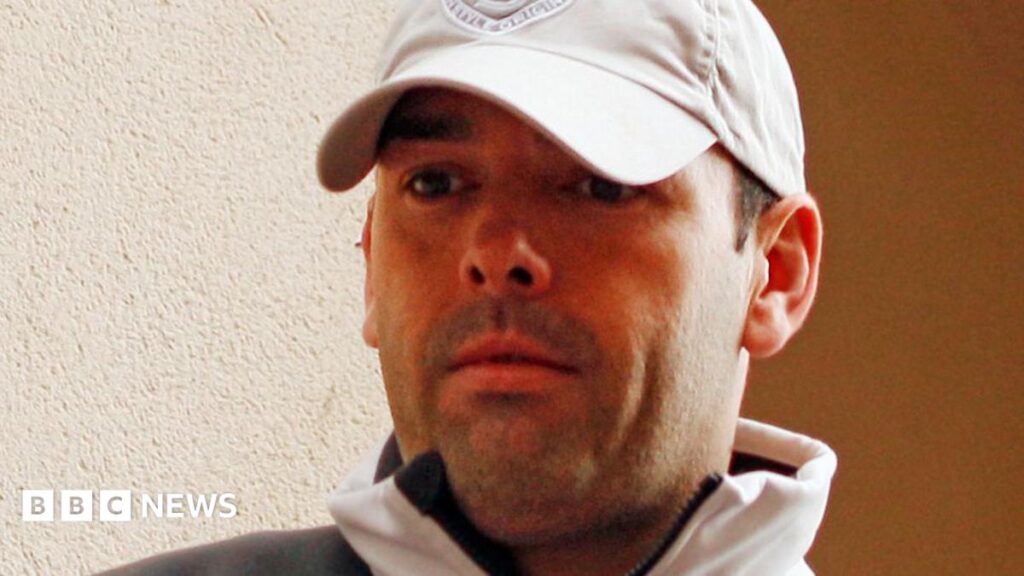
Who is Daniel Kinahan and why he matters
Daniel Kinahan, now 49, is the public face of the Kinahan cartel, a criminal network that has dominated the European drug trade for more than a decade. The cartel, founded by his brother Christy Kinahan, is believed to control the bulk of cocaine entering the United Kingdom and Ireland, using sophisticated money‑laundering schemes that span several continents.
Kinahan has long evaded prosecution by staying out of the public eye, often operating from safe havens abroad. In 2016 he was listed on the United States’ Treasury sanctions list, which froze any assets linked to him and barred him from entering the US. His name resurfaced in 2020 when the Irish High Court issued an arrest warrant for his alleged involvement in a 2016 murder in Dublin, prompting a worldwide manhunt.
The dramatic court appearance after a Dubai extradition
After months of legal wrangling, the Irish Prison Service transferred Kinahan from Dubai to Dublin in a specially commissioned bullet‑proof and bomb‑proof van. The vehicle, reportedly costing over €200,000, was chosen to protect both the detainee and the public in case of a coordinated attack, a precaution echoed by security officials after previous attempts on cartel members in Europe.
Kinahan entered the Special Criminal Court on Wednesday, wearing a standard prison uniform and flanked by armed guards. He faced charges of conspiracy to commit murder and involvement in organized crime, but his legal team immediately filed motions to challenge the admissibility of evidence obtained in the United Arab Emirates.
Why the case matters for Ireland and the wider EU
The Kinahan saga has become a litmus test for the Irish justice system’s ability to confront transnational organized crime. Irish ministers have repeatedly warned that the cartel’s influence threatens national security, and the high‑profile nature of this trial puts pressure on law‑enforcement agencies to deliver a decisive verdict.
Beyond Ireland, the European Union has been tightening anti‑money‑laundering directives, and the Kinahan case is being watched as a benchmark for cooperation with non‑EU jurisdictions. The extradition from Dubai demonstrates that even countries with historically limited legal cooperation with Ireland are now willing to hand over high‑value suspects, a shift many analysts attribute to growing global scrutiny of drug trafficking networks.
The African connection: drug routes through West Africa
While the headlines focus on Dublin’s courtroom, the Kinahan cartel’s supply chain relies heavily on West African transit points such as Ghana, Côte d’Ivoire and Nigeria. According to a 2024 UNODC report, more than 30% of cocaine destined for Europe now passes through West African ports, where local traffickers receive a cut of the profits before the cargo is shipped onward.
Kinahan’s legal troubles could ripple through these African corridors. A crackdown on the cartel’s European hub often forces traffickers to renegotiate routes, sometimes leading to increased violence or higher fees for local intermediaries. Communities already grappling with corruption and weak law‑enforcement capacity may see a short‑term surge in competition as rival groups vie for the vacuum left by Kinahan’s potential removal.
Reactions from the Irish and African diasporas
In Dublin, public sentiment is a mix of relief and scepticism. Victims’ families welcomed the appearance, calling it “a step toward justice,” while civil‑rights groups warned that the heavy security could set a precedent for excessive state power in future trials.
The African diaspora in Ireland, which has grown to over 150,000 residents, expressed concern about how the case might affect perceptions of African migrants. Some community leaders noted that media narratives often conflate African traffickers with the broader diaspora, risking stigma for law‑abiding residents. They urged journalists to distinguish between the cartel’s West African contacts and the millions of Africans living peacefully in Ireland.
What lies ahead: legal battles and broader crackdowns
Kinahan’s next court date is set for early September, when the judge will decide whether to admit the Dubai‑sourced evidence. If the prosecution succeeds, the case could culminate in a lengthy prison sentence, potentially the longest ever handed to a high‑profile Irish crime figure.
Regardless of the verdict, the Kinahan trial is likely to catalyse a series of coordinated operations across Europe and Africa. Agencies such as Europol, the Irish Gardaí, and West African anti‑narcotics units have already announced joint task forces aimed at dismantling the logistical networks that sustain the cartel. For African nations, this could mean increased funding for border monitoring and a push for stronger anti‑money‑laundering legislation.
Quick Answers
Why was a bullet‑proof van used to transport Daniel Kinahan?
Authorities feared a possible armed attack on the high‑profile suspect, so a specially equipped van was used to protect both Kinahan and the public.
What charges does Daniel Kinahan face in Dublin?
He is charged with conspiracy to commit murder and involvement in organized crime linked to the Kinahan cartel.
How could Kinahan’s trial affect drug trafficking in West Africa?
A disruption of the cartel’s European hub may force traffickers to renegotiate routes, potentially increasing violence and fees for local intermediaries in West African transit countries.
Source: www.bbc.co.uk




💬 Comments 0