Daniel Kinahan’s First Night in Irish Custody After Dubai Extradition: What It Means for West African Drug Trade in 2026
Background: The Kinahan Cartel’s Rise and Its African Links
The Kinahan cartel, headed by brothers Daniel and Christopher Kinahan, has long been described as one of the most powerful drug‑trafficking networks in Europe. Originating in Dublin in the 1990s, the group expanded rapidly by forging partnerships with West African smugglers who control key maritime routes from Lagos, Accra and Abidjan to European ports. By the early 2020s, investigators in the United Kingdom and Ireland warned that the cartel’s supply chain relied on a “hub‑and‑spoke” model that used West African cargo vessels to move cocaine from South America and heroin from Afghanistan into the continent.
The cartel’s African connections are not merely logistical. Court filings in the UK have revealed that several Nigerian and Ghanaian intermediaries acted as money‑launderers and enforcers, handling cash proceeds in Lagos and Nairobi before funneling them back to Europe. This network gave the Kinahan group a degree of resilience that allowed it to survive multiple police sweeps, and it also linked the organization to violent feuds that have spilled over into Irish and British cities.
The Dubai Extradition: A Rare International Cooperation
On 30 July 2026, the United Arab Emirates handed Daniel Kinahan over to Irish authorities after a months‑long diplomatic tug‑of‑war. The extradition was notable because the UAE had previously been accused of providing a safe haven for high‑profile fugitives, but recent pressure from the United States and the European Union pushed Dubai to cooperate on organized‑crime cases. According to a statement from the Irish Minister for Justice, the handover was the result of “extensive legal coordination” between Dublin, Abu Dhabi and the European Arrest Warrant system.
Sources close to the investigation say the UAE’s decision was also motivated by a desire to protect its own financial reputation, which has been tarnished by allegations that money‑laundering networks tied to the Kinahan cartel used Dubai’s free‑zone banks to move illicit funds. The extradition therefore signals a shift toward tighter global enforcement against transnational crime syndicates that operate across the Gulf, Africa and Europe.
Why It Matters for West Africa: Disrupting a Key Transit Corridor
West African nations have struggled for years to balance the economic benefits of being a logistics hub with the security costs of drug trafficking. The Kinahan cartel’s reliance on ports in Nigeria, Ghana and Côte d’Ivoire meant that a successful prosecution in Europe could reverberate across the region. Analysts at the African Center for Crime Prevention note that the arrest of a senior figure like Daniel Kinahan could force traffickers to reroute shipments, potentially increasing the risk of violence in coastal communities as rival groups vie for new pathways.
Moreover, the case brings renewed scrutiny to the role of African banks in laundering proceeds. The Financial Intelligence Centre in South Africa and the Economic and Financial Crimes Commission in Nigeria have both announced joint investigations into accounts linked to the Kinahan network. If these probes uncover large sums moving through African financial institutions, the fallout could trigger stricter AML (anti‑money‑laundering) regulations that affect legitimate businesses and diaspora remittance flows alike.
Implications for the Irish and Diaspora Communities
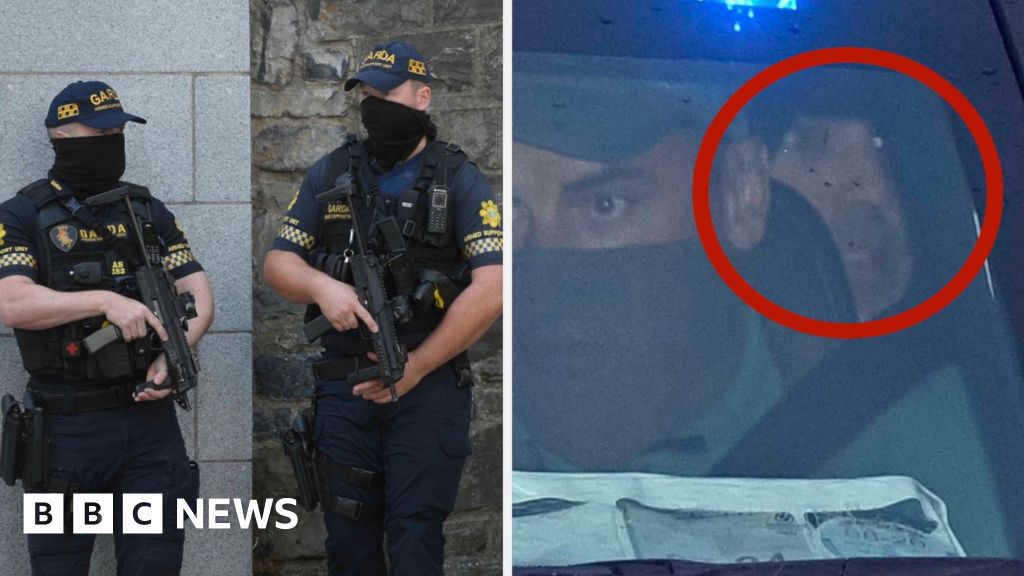
In Ireland, the Kinahan name is synonymous with a wave of gang‑related shootings that peaked in the mid‑2010s. The first night Daniel Kinahan spent in a Dublin detention centre was closely monitored by both law‑enforcement officials and community leaders who fear that his detention could either deter further violence or, paradoxically, spark a power struggle among rival Irish gangs. A spokesperson for the Irish Police Service (Garda Síochána) warned that “the removal of a senior figure does not automatically dismantle the network; we expect a period of heightened activity as factions reposition themselves.”
For the Irish‑African diaspora, especially Nigerians living in Dublin and London, the case has a personal dimension. Community organisations have long complained that the criminal narrative surrounding the Kinahan cartel unfairly paints African migrants as accomplices. In a recent press conference, the Nigerian Association in Ireland urged the media to separate the actions of a few individuals from the broader African community, emphasizing that most Nigerians in the city are law‑abiding entrepreneurs and students.
What’s Next: Legal Battles, Asset Seizures and Regional Cooperation
Daniel Kinahan is expected to face a series of charges ranging from conspiracy to import controlled substances to money‑laundering offences. Legal experts predict a lengthy court process, as his defence team is likely to challenge the extradition on human‑rights grounds. Meanwhile, Irish authorities have already begun the “asset‑for‑justice” phase, seeking court orders to freeze and eventually confiscate property believed to be linked to the cartel’s profits. Preliminary reports suggest that several luxury properties in County Dublin and a fleet of high‑end vehicles could be targeted.
Beyond the courtroom, the case could act as a catalyst for deeper cooperation between European and West African law‑enforcement agencies. The European Union’s “West Africa‑EU Security Partnership” launched in 2024 aims to share intelligence on drug routes, and the Kinahan extradition may provide a practical test‑bed for that framework. If successful, the partnership could lead to joint operations that disrupt not only the Kinahan network but also other criminal groups that exploit the same maritime corridors.
Quick Answers
Why was Daniel Kinahan extradited from Dubai to Ireland?
He was handed over after diplomatic negotiations, as the UAE agreed to cooperate with European authorities on organized‑crime cases.
How could Kinahan’s arrest affect drug trafficking in West Africa?
It may force traffickers to change routes, increase competition among local gangs, and trigger investigations into African banks used for money‑laundering.
What impact might the case have on the Irish‑African community?
Community leaders fear stigma but also see an opportunity to separate criminal activity from the broader diaspora, urging balanced media coverage.
Source: www.bbc.co.uk




💬 Comments 0