Disney and ABC sue FCC over Trump’s early licence renewal move, citing retaliation – 2026 lawsuit
Background: A politicised FCC under the Trump administration
Since Donald Trump took office in 2025, the Federal Communications Commission (FCC) has been reshaped to reflect the president’s broader agenda of curbing what he calls “liberal media bias”. The regulator’s new policy allows the administration to fast‑track licence renewals for broadcasters that it deems friendly, while delaying or denying renewals for those it considers critical.
Historically, the FCC has granted five‑year broadcast licences on a routine schedule, with renewals processed months before expiry. The shift to “early” renewals – sometimes a year ahead of the normal cycle – was introduced in a 2025 rule change that gave the president’s office a direct line into the process. Critics argue that the rule opens the door to retaliation against networks that air dissenting viewpoints.
What happened: Disney and ABC file a lawsuit
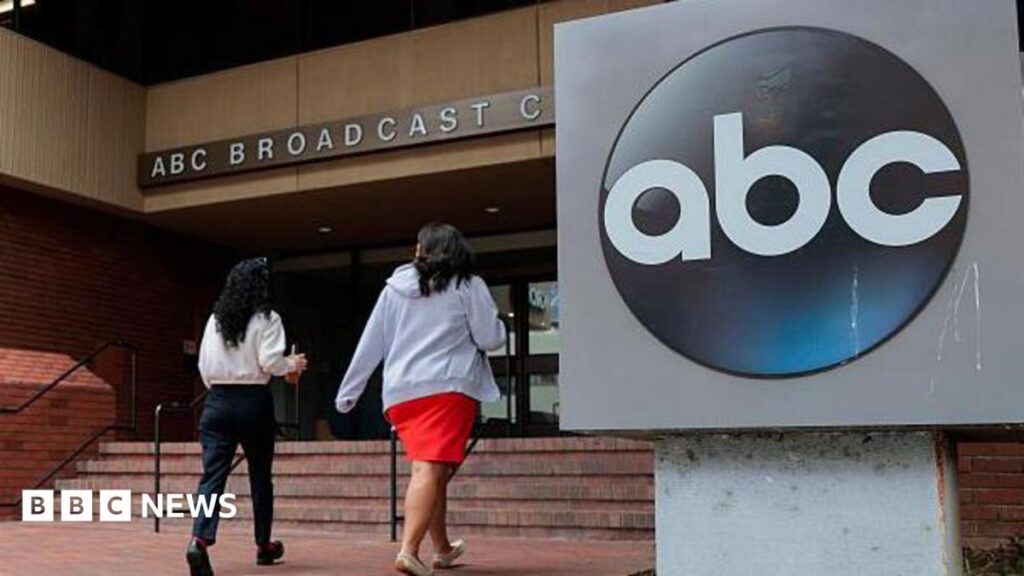
In August 2026, Disney’s ABC Television Network filed a federal lawsuit against the FCC, alleging that the agency’s decision to grant an early licence renewal to a pro‑Trump broadcaster was a punitive response to ABC’s recent coverage of the administration’s immigration policies. The complaint claims the FCC violated the First Amendment by using its regulatory power as a political weapon.
The lawsuit, filed in the U.S. District Court for the District of Columbia, seeks an injunction to halt the early renewal and a declaration that the FCC’s action was unconstitutional. Disney’s legal team argues that the move jeopardises the network’s editorial independence and could set a dangerous precedent for all U.S. broadcasters.
Why it matters: Stakes for Disney’s global empire and media freedom
Beyond the immediate battle over a single broadcast licence, the case could reshape how the U.S. government interacts with private media giants. If the court sides with Disney, it would reaffirm the principle that regulatory bodies cannot be weaponised for political retribution, safeguarding the editorial room of networks across the country.
For Disney, the outcome has financial implications that extend to its streaming arm, Disney+. The company relies on a stable regulatory environment to negotiate content deals and maintain its rollout schedule in emerging markets, including Africa. A precedent of political interference could make partners in Kenya, Nigeria and South Africa wary of signing long‑term licensing agreements.
African angle: How U.S. media battles ripple to the continent’s streaming landscape
Disney+ launched across Sub‑Saharan Africa in early 2025, offering a mix of Hollywood blockbusters and locally produced series such as Nigeria’s "The Crowned" and Kenya’s "Savannah Stories". The platform’s growth has depended on predictable U.S. copyright clearances and the ability to bundle content under a single global licence.
If the FCC’s early‑renewal practice is upheld, content producers in Africa could face delayed or conditional access to Disney’s library, as the regulator might tie future licences to compliance with U.S. political expectations. Local creators have already warned that any perception of “political risk” could deter investment from multinational studios, slowing the momentum of Africa‑centric productions.
Reactions: From Washington to Lagos
The White House, through a spokesperson, described the lawsuit as “an attempt to politicise a routine administrative process”. Congressional Democrats, however, have voiced concern, with Rep. Alexandria Ocasio‑Cortez (NY) calling the FCC’s actions “a direct attack on free speech”.
In Lagos, the Nigerian Communications Commission (NCC) issued a statement noting that “regulatory stability in major markets like the United States is essential for the health of the African digital entertainment ecosystem”. African media analysts, such as Kwame Nkrumah of the African Media Institute, argue that the case underscores the need for continental bodies like the African Union to develop their own media‑rights frameworks to reduce reliance on U.S. policy swings.
What’s next: Court timeline and possible fallout
The district court is expected to issue a preliminary ruling on the injunction request by December 2026. Should the judge grant Disney’s request, the FCC would have to halt the early renewal and revisit its decision under a more transparent, non‑political rubric.
Regardless of the legal outcome, the case is likely to spark a broader debate about the separation of media regulation and political influence. For African streaming platforms and broadcasters, the lesson is clear: diversification of content sources and stronger regional licensing agreements may become a strategic priority to insulate against U.S. policy volatility.
Quick Answers
What is the lawsuit filed by Disney and ABC about?
Disney and ABC sued the FCC in August 2026, claiming the agency’s early licence renewal for a pro‑Trump broadcaster was retaliation for ABC’s critical coverage of the administration.
How could this U.S. legal battle affect Disney+ in Africa?
If the FCC’s politicised renewal is upheld, it could create uncertainty around content licensing, potentially delaying new releases and affecting partnerships with African creators on Disney+.
When will the court decide on the injunction request?
A preliminary ruling on the injunction is expected by December 2026, with a full decision likely following in early 2027.
Source: www.bbc.co.uk




💬 Comments 0