Saurav Das passport flagged, barred from UK flight, calls Indian govt ‘cockroach’ leader – 2026 travel fallout
Background: Who is Saurav Das and why his case matters
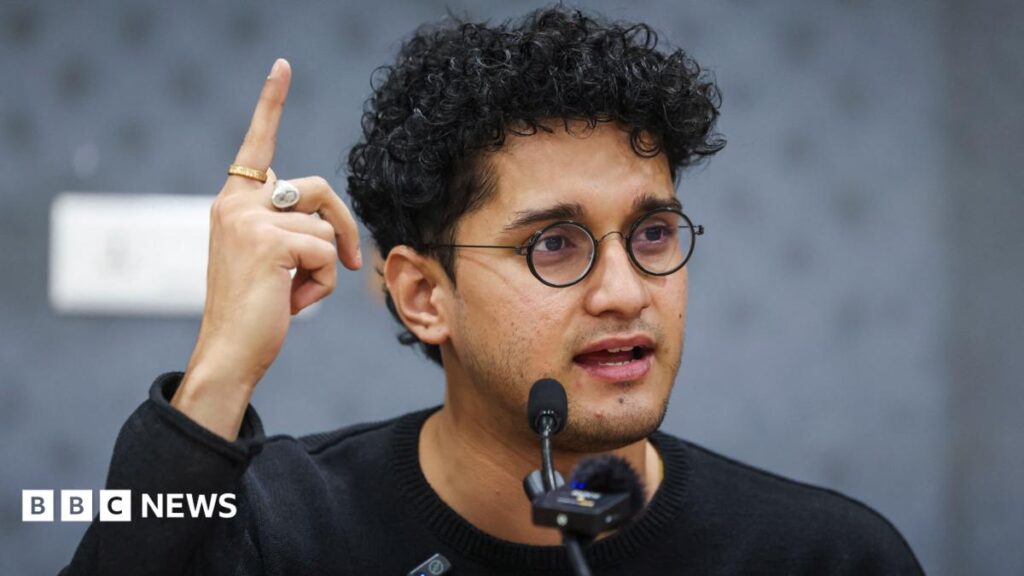
Saurav Das is a 34‑year‑old Indian political activist and founder of the online platform "Free India Voice," which monitors government overreach and promotes civil liberties. He gained prominence after organising a series of protests against the 2025 Citizenship Amendment Bill and has been a vocal critic of Prime Minister Narendra Modi’s handling of dissent. His activism earned him a spot on the UK Home Office’s “high‑risk traveller” watchlist, a designation that is rarely applied to Indian citizens unless they are suspected of terrorism or serious criminal activity.
The incident unfolded on 21 November 2026 at Indira Gandhi International Airport, where Das was scheduled to board a direct flight to London for a speaking engagement at the London School of Economics. Airport immigration officials stopped him, informed him that his passport had been flagged, and refused him boarding. Das later posted a video of the encounter, calling the Indian government "lost the plot" and describing the Prime Minister as a "cockroach" in a scathing social‑media tirade that quickly went viral.
The flagging incident: what actually happened at Delhi airport
According to the airport’s immigration desk, Das’s passport was flagged by an inter‑agency alert that had been uploaded to the Integrated Border Management System (IBMS) earlier that week. The alert listed a vague “security concern” without providing specifics, a practice that has become more common after India tightened its surveillance of dissidents following the 2025 protests. Das was escorted to a holding area, where officials read him his rights in Hindi and English before denying him clearance to travel.
Das’s legal team filed a petition with the Delhi High Court on 22 November, demanding an explanation for the flag and immediate removal of the restriction. The court scheduled a hearing for 5 December, but the government has not yet disclosed the criteria that triggered the alert. In the meantime, the UK’s Home Office issued a brief statement saying it had received no formal request from India to deny Das entry, suggesting the decision was made solely by Indian authorities.
Why it matters: implications for Indian diaspora and diplomatic ties
The episode highlights a growing tension between India’s domestic security agenda and the rights of its overseas citizens. Over the past two years, Indian officials have increasingly used passport‑flagging tools to curb travel of outspoken critics, a trend that has drawn criticism from human‑rights groups and foreign governments alike. For the Indian diaspora, especially professionals and students in Europe and North America, the fear is that political speech at home could translate into travel bans abroad, limiting academic exchange and business mobility.
From a diplomatic perspective, the incident puts pressure on the UK‑India relationship, which has been built on trade, defence, and a shared colonial legacy. The UK government has signalled its willingness to review visa‑facilitation agreements if India continues to weaponise immigration controls. Analysts warn that a deterioration in trust could affect the £15 billion of bilateral trade, particularly in the technology and services sectors where Indian talent is a critical asset.
Ripple effects in Africa: Indian communities, trade routes and travel
African nations with sizable Indian expatriate populations—Kenya, Tanzania, South Africa, and Mauritius—are watching the case closely. In Nairobi, the Indian Business Association warned that arbitrary passport flags could deter Indian investors from participating in the East African Community’s new digital‑infrastructure fund, which relies on cross‑border expertise. The association noted that many Indian engineers travel frequently between India and African project sites, and any perception of travel insecurity could raise insurance premiums and delay critical timelines.
Moreover, the incident underscores the vulnerability of Indian‑owned airlines that operate routes to African hubs such as Lagos, Addis Ababa, and Johannesburg. If the flagging system expands to include commercial cargo crews, it could disrupt supply chains for pharmaceuticals and agricultural inputs that African economies depend on. Trade analysts at the African Development Bank have already flagged the need for clearer bilateral protocols to prevent “politically motivated travel disruptions” from spilling over into regional trade corridors.
Reactions: from Indian officials, UK authorities and civil‑society groups
The Ministry of Home Affairs in New Delhi declined to comment on the specifics of Das’s case, citing standard security protocols. However, a senior spokesperson told reporters that the government “takes the safety of its citizens seriously” and that any passport alerts are “subject to rigorous internal review.” Opposition parties in India seized on the story, with the Congress party demanding a parliamentary inquiry into alleged abuse of the IBMS system.
Human‑rights organisations such as Amnesty International and the Indian Civil Liberties Union have condemned the move as an infringement of freedom of movement, a right enshrined in Article 21 of the Indian Constitution. In the UK, the Foreign, Commonwealth & Development Office issued a diplomatic note urging India to provide transparency, while civil‑society groups in London organised a rally outside the Indian High Commission on 24 November, chanting “Free Saurav Das” and “No to passport politics.”
What’s next: legal battles, policy reforms and the broader trend
Das’s legal challenge is expected to focus on the lack of procedural fairness in the flagging process. If the Delhi High Court rules that the alert was arbitrary, it could set a precedent for other activists to demand the de‑classification of security data that affects travel. Legal scholars predict that a court‑ordered audit of the IBMS could force the Ministry of Home Affairs to publish clearer guidelines, similar to reforms enacted in the United States after the 2024 “travel ban” lawsuits.
Beyond the courtroom, the case may accelerate calls for an international framework governing the use of passport‑flagging for political reasons. The United Nations Human Rights Council has already scheduled a special session on “Freedom of Movement in the Digital Age,” where India, the UK, and several African states are expected to present their positions. For the Indian diaspora and African partners, the outcome will shape how safe it feels to travel, invest, and collaborate across borders in an increasingly securitised world.
Quick Answers
Why was Saurav Das barred from his UK flight in November 2026?
Indian immigration officials flagged his passport in the Integrated Border Management System, citing an unspecified security concern, which led to his denial of boarding at Delhi airport.
How could this incident affect Indian businesses operating in Africa?
If travel restrictions expand to cover commercial crews or frequent business travelers, insurance costs could rise and project timelines for Indian‑run infrastructure and trade initiatives in African markets may be delayed.
What legal recourse does Saurav Das have against the passport flag?
He has filed a petition with the Delhi High Court seeking removal of the alert and a transparent review of the criteria used to flag his passport.
Source: www.bbc.co.uk




💬 Comments 0