Dutch zookeeper dies after leopard attack at Rotterdam Zoo, ending 41‑year career
A lifetime with the animals
Marijke van den Berg began working at Rotterdam Zoo when she was just 17, a time when the park was still expanding its collection of exotic mammals. Over the next four decades she moved between roles – from feeding the big cats to guiding school groups through the reptile house – and became a trusted mentor for newer staff. Her deep knowledge of animal behaviour was often cited by the zoo’s management as a key factor in maintaining the health of its most temperamental residents.
Colleagues remember van den Berg as someone who could read a leopard’s subtle body language, a skill honed through countless hours of observation and hands‑on care. In interviews after the tragedy, a senior keeper said she “treated every animal like a family member, but never lost sight of the safety line that separates us”. Her commitment earned her a place on the zoo’s advisory board, where she helped shape policies on enclosure design and enrichment programs.
The fatal encounter
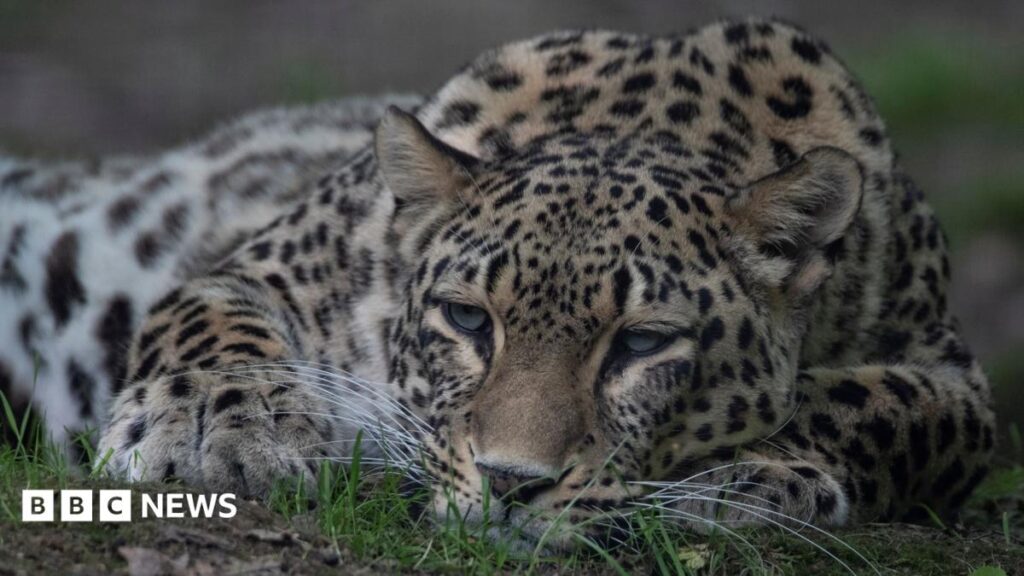
On the morning of October 23, van den Berg entered the leopard enclosure to perform a routine health check that had been scheduled weeks earlier. According to a statement released by the zoo, she entered the enclosure after confirming that the animal, a five‑year‑old male named Kito, was not feeding and appeared calm. Within seconds, the leopard lunged, and the keeper was mauled before staff could intervene. Emergency responders arrived within minutes, but van den Berg was pronounced dead at the scene.
The zoo’s director, Pieter de Vries, said the incident occurred despite the activation of the standard safety protocol, which includes a double‑door system and a protective shield. “We are devastated,” he told reporters, adding that an independent investigation has been launched to determine whether any procedural lapses contributed to the tragedy. The Dutch police have also opened a criminal inquiry to assess compliance with occupational safety regulations.
Safety standards under scrutiny
The attack has reignited a debate that has been simmering across Europe about the adequacy of zoo safety measures for big‑cat enclosures. A recent report by the European Association of Zoos and Aquaria (EAZA) warned that many institutions still rely on outdated barrier designs that were conceived before modern animal‑behaviour science became mainstream. Critics argue that the industry’s reliance on “routine” checks can create a false sense of security, especially when staff have worked with the same animal for years and may underestimate risk.
In the Netherlands, the Ministry of Agriculture, Nature and Food Quality announced it will commission a review of all zoological facilities to ensure they meet the latest EU Directive on animal welfare and worker safety. Trade unions representing zoo staff have called for mandatory refresher training every six months, a measure that was previously optional. According to the Dutch Federation of Animal Keepers, such reforms could reduce the likelihood of similar incidents by up to 30 percent, based on data from comparable facilities in Scandinavia.
Ripple effects on African wildlife in European zoos
While the tragedy unfolded in the Netherlands, its reverberations are being felt in African wildlife conservation circles. European zoos house a significant proportion of African species – from African elephants and lions to lesser‑known antelopes – and many of these institutions rely on ticket revenue and donor support to fund anti‑poaching projects on the continent. A dip in public confidence could translate into lower visitor numbers, threatening the financial pipelines that sustain field programmes in Kenya, Tanzania, and South Africa.
Moreover, the incident highlights a broader ethical conversation about the captivity of apex predators that are native to Africa. Conservation NGOs such as the African Wildlife Foundation have long argued that zoos should prioritize breeding programs for species that cannot survive in the wild, rather than keeping charismatic but non‑endangered animals for entertainment. The leopard attack may accelerate calls for European zoos to re‑evaluate the composition of their collections, potentially leading to a shift toward more African‑focused conservation breeding initiatives.
For diaspora communities across Europe, especially those with roots in Africa, the story resonates on a personal level. Many African‑born visitors view the presence of their continent’s wildlife in foreign zoos as a bridge to home, yet also as a reminder of the exploitation that fuels illegal wildlife trade. The heightened media attention could spur diaspora activists to lobby for stricter import‑export controls on exotic animals, a demand that aligns with ongoing efforts to curb poaching networks that target African species.
Looking ahead: reforms and remembrance
In the weeks ahead, the independent commission appointed by the Ministry is expected to release preliminary findings on whether the double‑door system functioned correctly and if staff received adequate risk‑assessment training. Early indications, according to sources familiar with the investigation, suggest that a minor malfunction in the secondary door may have delayed the keeper’s exit, though this has not been confirmed. The commission will also examine the zoo’s mental‑health support for employees, a factor that has been linked to accident rates in high‑stress animal‑care environments.
The zoo has pledged to create a memorial garden in van den Berg’s honour, featuring a plaque that emphasizes her dedication to animal welfare and safety. Additionally, a scholarship fund for aspiring wildlife professionals from under‑represented backgrounds, including African students, will be established. This gesture aims to turn a tragic loss into a catalyst for future stewardship, echoing the keeper’s own belief that education is the strongest tool against both animal mistreatment and human error.
If the investigation leads to stricter regulations, the changes could set a precedent for zoos throughout the EU, potentially influencing legislation in African nations that look to European standards when drafting their own wildlife‑facility guidelines. For now, the incident serves as a stark reminder that even seasoned professionals are vulnerable, and that continuous improvement in safety culture is essential for protecting both human and animal lives.
Quick Answers
What caused the leopard attack on the Dutch zookeeper?
The exact cause is still under investigation, but early reports indicate a possible malfunction in the enclosure’s secondary door that may have delayed the keeper’s exit.
How might this incident affect African wildlife conservation funding?
A decline in zoo attendance could reduce revenue that many European zoos channel into anti‑poaching projects in Africa, potentially impacting field operations.
Will new safety regulations be introduced for zoos in the Netherlands?
The Dutch Ministry plans to review all zoological facilities and may mandate more frequent safety training and upgraded enclosure designs.
Source: www.bbc.co.uk




💬 Comments 0