Ebola Death Toll in DR Congo Surpasses 5,000 as Health System Struggles Amid No Approved Treatments
Background
The Democratic Republic of Congo (DRC) has been battling a severe Ebola outbreak since early 2023, with the virus spreading across several provinces, particularly in the eastern regions near the borders with Rwanda, Uganda and Burundi. The 2023 outbreak is the most extensive in the country’s history, surpassing the 2018–2020 wave that claimed 3,500 lives. The disease, caused by the Zaire ebolavirus strain, is highly lethal, with a case‑fatality rate that can reach 90% in untreated patients. Historically, outbreaks in the DRC have strained local health infrastructure, which is already under-resourced due to decades of conflict and limited investment. The current crisis has amplified these challenges, as communities are wary of health workers and vaccination campaigns are hampered by logistical obstacles and mistrust. The World Health Organization (WHO) has declared the situation a public health emergency of international concern, underscoring the urgency of coordinated global action.
Current Situation
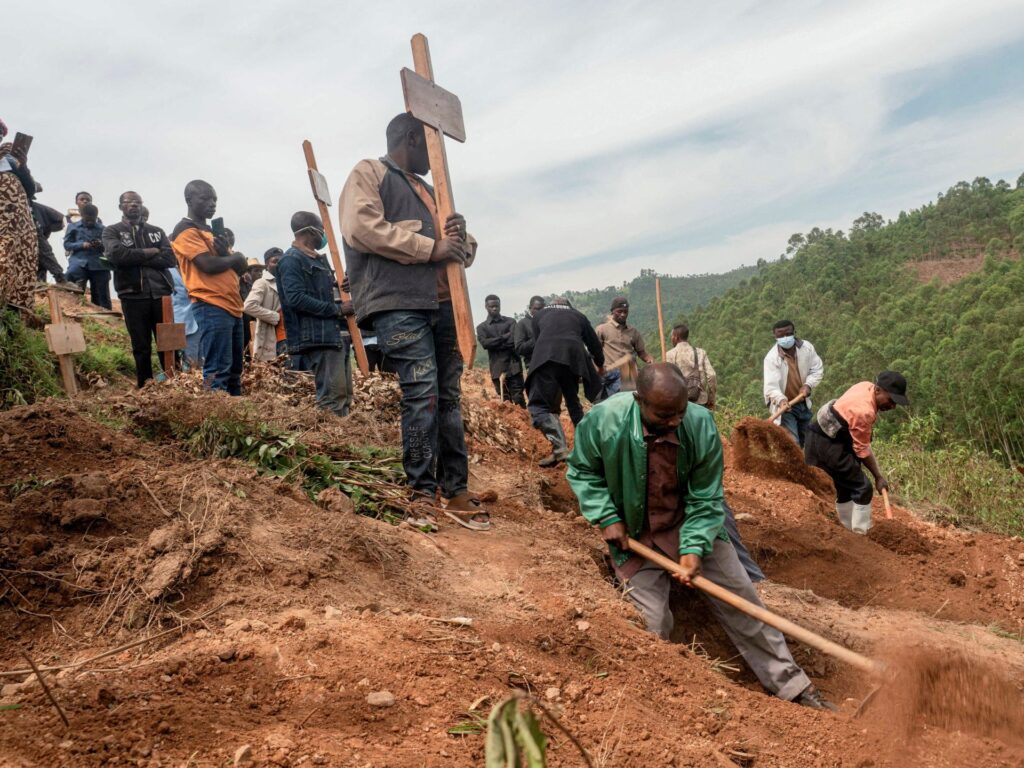
As of mid‑October 2026, the official death toll has climbed past 5,000, with 12,000 confirmed cases reported across 13 provinces. The majority of fatalities have occurred in remote villages where healthcare facilities are scarce, and patients often rely on traditional healers. According to the Congolese Ministry of Health, 70% of confirmed cases have been managed through isolation units, yet many patients die before reaching these centers due to delayed presentation and transportation barriers. The virus continues to mutate, with new strains identified in the Ituri and North Kivu provinces, raising concerns about increased transmissibility and potential resistance to experimental treatments. While the outbreak is geographically contained within the DRC, the porous borders with neighboring countries have led to cross‑border movement of people, complicating containment efforts.
Why It Matters
The death toll surpassing 5,000 is a stark reminder of the vulnerability of sub‑Saharan African health systems to emerging infectious diseases. The lack of approved treatments or vaccines for the Zaire strain means that the international community must rely on supportive care, contact tracing, and the use of experimental therapeutics such as monoclonal antibodies, which are scarce and costly. The crisis underscores the persistent gaps in African research capacity and the need for equitable access to biomedical innovations. Economically, the outbreak has disrupted local markets, particularly in mining communities where labor shortages and health fears have slowed production. For the African diaspora, especially those in Europe and North America who maintain ties to Congolese communities, the situation raises concerns about potential transmission through migrant flows and the psychological toll on families awaiting news of loved ones. Beyond the immediate health impact, the outbreak threatens to destabilize fragile governance structures and could exacerbate existing tensions in conflict‑prone areas.
Regional and Global Implications
The DRC’s outbreak has ripple effects across Central Africa. Neighboring countries have reported a surge in border screenings and have increased support for vaccination campaigns, even though no vaccine is licensed for the Zaire strain. The International Monetary Fund (IMF) has warned that prolonged health crises could push the DRC deeper into debt, as the government reallocates funds from development projects to emergency health spending. Globally, the outbreak has reignited debates about the readiness of the World Health Organization to respond to fast‑moving epidemics, especially in regions where political instability hampers data collection and transparency. The lack of approved treatments also highlights the global inequity in drug development pipelines; while mRNA vaccines have proven effective against other Ebola strains, the Zaire variant remains a scientific challenge. For the African continent, the situation serves as a case study for the need to strengthen regional cooperation, data sharing, and joint research initiatives to pre‑empt future outbreaks.
Reactions and Responses
The Congolese government has intensified community outreach, deploying mobile health teams to remote villages to provide education on hygiene practices and early symptom recognition. In partnership with Médecins Sans Frontières (MSF), the Ministry of Health has also expanded the use of the investigational monoclonal antibody drug, REGN-EB3, though supply remains limited. International donors, including the U.S. Centers for Disease Control and Prevention (CDC) and the European Union, have pledged additional funding for surveillance and treatment research. Meanwhile, local NGOs have reported challenges in maintaining trust among communities that have experienced past government neglect and misinformation campaigns. The African Union’s Health Committee has called for a coordinated response, urging member states to share resources and expertise. Despite these efforts, the outbreak’s persistence indicates that the existing strategies are insufficient without a rapid development of a safe, effective vaccine for the Zaire strain.
What's Next
Scientists are racing to develop a vaccine that targets the Zaire ebolavirus, with several candidates in preclinical trials. The WHO has set a target of a 90% efficacy rate by early 2027, but the timeline remains uncertain due to regulatory hurdles and the need for large‑scale field trials. In the meantime, the DRC government is focusing on strengthening its surveillance network, expanding isolation facilities, and training additional healthcare workers. Regional cooperation is being enhanced through the African Centers for Disease Control and Prevention (Africa CDC), which is coordinating cross‑border contact tracing and data sharing. For the African diaspora, community leaders are urging individuals to stay informed, avoid unnecessary travel, and support local relief efforts. The international community continues to monitor the situation closely, with the potential for the outbreak to become a catalyst for broader health system reforms across the continent.
Quick Answers
Why is there no approved vaccine for the Zaire ebolavirus strain?
The Zaire strain has proven more difficult to target due to its high mutation rate and limited data from previous outbreaks, delaying vaccine development and regulatory approval.
How does the outbreak affect neighboring countries?
Cross‑border movement of people has increased the risk of transmission, prompting neighboring countries to enhance border screening and support vaccination efforts despite the lack of a licensed vaccine for this strain.
What can the African diaspora do to help?
Diaspora members can stay updated, avoid unnecessary travel, donate to reputable relief organizations, and support local community outreach programs that promote hygiene and early detection.
Source: www.aljazeera.com



💬 Comments 0