ECHR orders Turkey to release Osman Kavala after 10‑year detention, 2026 ruling
Background: Osman Kavala and Turkey’s shrinking civic space
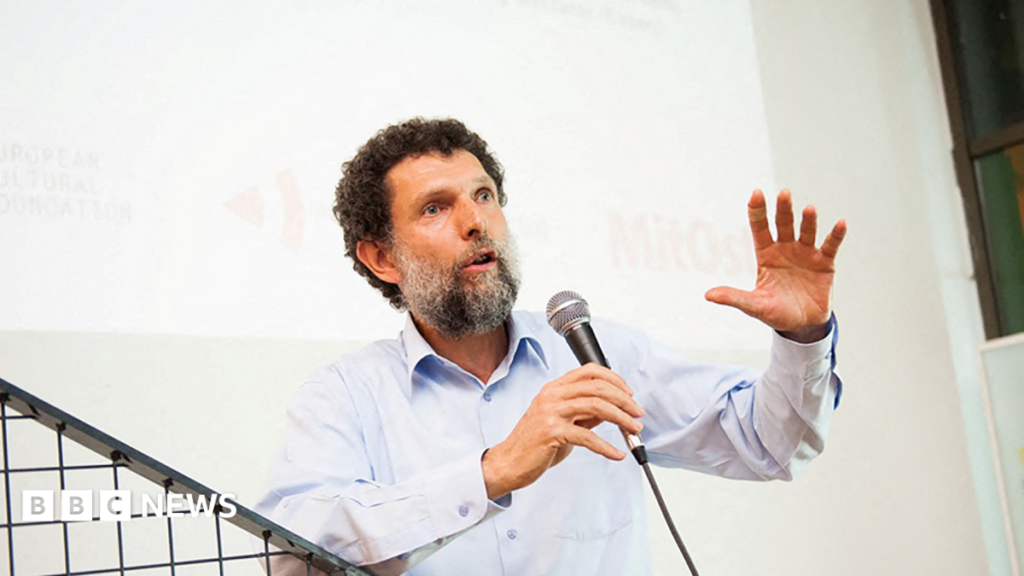
Osman Kavala, a prominent Turkish philanthropist, built a network of cultural foundations that supported independent art, civil‑society projects and minority rights. Since 2017, after a failed coup attempt, he has been detained on a series of loosely defined charges, including “attempting to overthrow the government” and “espionage”. Human‑rights watchdogs such as Amnesty International and Human Rights Watch have repeatedly described the case as politically motivated, noting that the evidence presented in court has never been made public.
Kavala’s imprisonment coincided with a broader crackdown on NGOs, journalists and opposition figures in Turkey. The government has used anti‑terrorism legislation to close dozens of civil‑society organisations, many of which had partnerships with African NGOs working on migration, education and health. This environment has made it harder for African diaspora groups operating in Istanbul to secure funding and safe operating space.
The ECHR ruling and immediate fallout in Ankara
On 24 August 2026, the European Court of Human Rights (ECHR) delivered a landmark judgment ordering Turkey to release Kavala within 30 days and to pay compensation for the violation of his Article 5 and Article 18 rights. The court found that the Turkish authorities had used the judicial process as a tool of political repression, a conclusion that aligns with earlier opinions from the Council of Europe’s Commissioner for Human Rights.
Turkey’s foreign ministry issued a measured response, saying it would “review the decision in accordance with its legal obligations”. Within hours, the Turkish Bar Association filed a request for a stay of execution, while several opposition parties staged a parliamentary motion demanding immediate compliance. The ruling has already sparked protests in Istanbul’s Taksim Square, where demonstrators waved banners reading “Justice for Kavala” and “Human rights over politics”.
Why the decision matters for civil society and investors
The ECHR’s order sends a clear signal to investors that the rule of law in Turkey remains contested. International firms that rely on stable legal frameworks—especially those in the renewable‑energy and tourism sectors—have been watching the case closely. A Bloomberg analysis published after the judgment warned that prolonged legal uncertainty could raise the country risk premium, potentially delaying new foreign direct investment projects worth billions of dollars.
For civil‑society actors, the ruling offers a rare legal foothold. NGOs that have been forced to relocate their operations to European hubs can now cite the judgment when lobbying the European Union for stronger safeguards for partners in Turkey. The decision also revives discussions about a possible “human‑rights clause” in future Turkey‑EU trade negotiations, a topic that African trade delegations have been monitoring because many of their exporters rely on Turkish ports for access to European markets.
Ripple effects for Africa‑Turkey relations and the diaspora
Turkey has positioned itself as a gateway between Africa and Europe, hosting a growing African diaspora of roughly 1.2 million people, many of whom work in logistics, construction and the informal economy. The Kavala case, and the ECHR’s intervention, underscore how Turkish domestic politics can reverberate across these communities. African NGOs that partner with Turkish foundations now face heightened scrutiny, potentially slowing collaborative projects on migrant health and youth entrepreneurship that were funded through Kavala‑linked trusts.
Moreover, the ruling could influence the upcoming African Union‑Turkey Business Forum in Nairobi, slated for early 2027. African business leaders have expressed concern that a perception of deteriorating human‑rights standards might deter Turkish investors from deepening ties with the continent. Conversely, some African diplomats argue that Turkey’s willingness to comply with an EU court could improve its credibility as a reliable partner, especially for countries like Nigeria and Kenya that are negotiating bilateral investment treaties with Ankara.
What’s next: legal battles, political calculations and regional implications
The next month will be decisive. If Turkish courts issue a stay, the ECHR may refer the matter back to the Council of Europe’s Committee of Ministers, which can impose diplomatic sanctions or suspend Turkey’s voting rights. Such a move would echo the 2023 suspension of voting privileges for Belarus, and could isolate Turkey further from European institutions at a time when Ankara is courting Arab Gulf states for economic diversification.
Domestically, the ruling may embolden opposition parties ahead of the 2027 parliamentary elections, where human‑rights abuses have become a rallying point for younger voters. For the African diaspora, the outcome will shape the safety of community centres and cultural hubs that depend on Turkish civil‑society funding. In any scenario, the case illustrates how a single judicial decision in Europe can cascade through trade, migration and civil‑rights arenas that connect Turkey to the African continent.
Quick Answers
When is Turkey required to release Osman Kavala?
The European Court of Human Rights ordered Turkey to free Kavala within 30 days of its 24 August 2026 judgment.
How could the ruling affect African NGOs operating in Turkey?
It may increase scrutiny on Turkish‑funded projects, potentially slowing collaborations with African NGOs on migration and development programmes.
What impact might the decision have on Turkish‑African trade relations?
The ruling could raise concerns about rule‑of‑law risks, influencing African investors and prompting discussions on human‑rights clauses in future trade agreements.
Source: www.bbc.co.uk




💬 Comments 0