Ecuador backs US sinking of two boats in 2026 anti‑drug raid, families claim fishermen were killed
Background: US anti‑drug operations in the Pacific and Ecuadorian partnership
Since the early 2000s, the United States has relied on a network of joint maritime patrols with Latin American allies to interdict cocaine shipments moving through the Pacific Ocean toward North America and Europe. Ecuador, a key transit point for Colombian cocaine, signed a cooperation agreement with the U.S. Southern Command in 2015 that authorises the use of U.S. naval assets in Ecuadorian waters under a ‘shared‑responsibility’ framework.
The partnership has produced high‑profile seizures, but it has also sparked controversy over the level of U.S. operational control. Critics argue that the arrangements give Washington de‑facto authority to act unilaterally, sometimes without transparent evidence. Previous incidents, such as the 2022 sinking of a small vessel near the Galápagos, left lingering doubts about the balance between security and sovereignty.
In recent years, cocaine production in Colombia has surged, prompting the U.S. to intensify its focus on maritime routes that skirt the Ecuadorian coast. This escalation coincided with a broader shift toward using naval firepower—rather than boarding teams—to neutralise suspected drug‑smuggling boats, a tactic that raises legal and ethical questions worldwide.
The incident: Two vessels sunk, crew detained, families dispute the narrative
On 2 September 2026, a U.S. Coast Guard cutter operating alongside Ecuadorian naval forces intercepted two small wooden boats approximately 15 nautical miles off the coast of Esmeraldas. According to official statements, the boats were identified as “suspected drug‑smuggling vessels” and were subsequently fired upon, resulting in both hulls sinking.
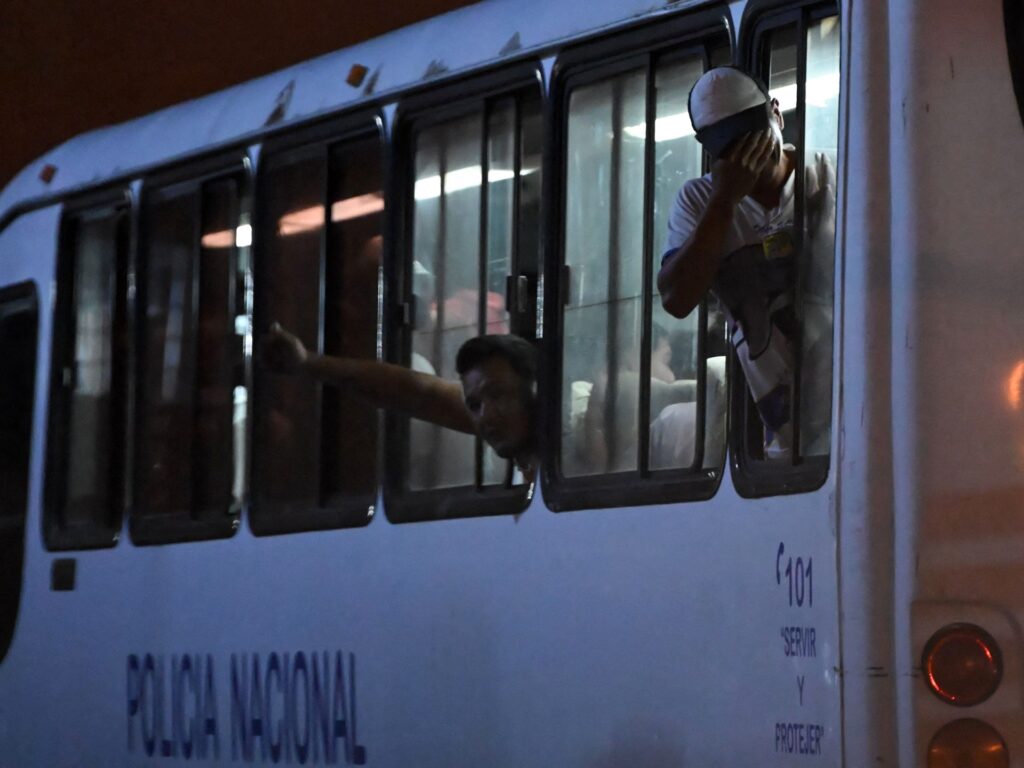
Ecuadorian authorities detained the 12 men aboard the two boats and handed them over to U.S. custody for further questioning. Relatives of the crew, however, claim the men were local fishermen who had set out for a routine day‑trip. They allege that no narcotics were ever found on the vessels and that the U.S. forces acted without concrete intelligence, a charge echoed by several human‑rights NGOs.
Ecuador’s foreign ministry defended the operation, saying the decision to sink the boats was taken jointly after “credible intelligence indicated the vessels were part of a cocaine‑smuggling network.” The ministry added that the detained crew would be afforded due process under Ecuadorian law, while the United States maintained that the action was consistent with the rules of engagement established in the bilateral agreement.
Why it matters: Sovereignty, regional security and the ripple effect on African drug routes
The episode spotlights a growing tension between national sovereignty and transnational security initiatives. Ecuador’s public endorsement of the U.S. action may reassure Washington that its Pacific strategy is on track, but it also fuels criticism that smaller states are being used as proxies for American enforcement, potentially eroding public trust in the government.
Beyond the immediate legal debate, the incident could reshape drug‑trafficking dynamics that extend far beyond South America. West Africa, especially Ghana, Côte d’Ivoire and Nigeria, has become a major trans‑Atlantic conduit for cocaine destined for Europe. Analysts note that heightened interdiction in the Pacific often pushes traffickers to seek alternative routes, including the Atlantic corridor that passes through West African ports.
For African diaspora communities in the United States and Europe, any shift in trafficking patterns can affect the availability and price of illicit drugs, with downstream social costs such as increased addiction rates and law‑enforcement pressure. Moreover, African nations that already cooperate with the U.S. on counter‑narcotics may see renewed scrutiny of their own maritime enforcement capacities, prompting a possible re‑allocation of resources that could impact fisheries, piracy patrols, and legitimate trade.
Reactions: Governments, families, and civil‑society voices
Ecuadorian President Daniel Noboa issued a brief statement reiterating the country’s commitment to the joint anti‑drug mission, while urging “respect for the rule of law and the rights of our citizens.” The U.S. Embassy in Quito released a concise reply, emphasizing that the operation adhered to established protocols and that any allegations of misconduct would be investigated through the appropriate channels.
The families of the detained crew have organised protests in Guayaquil and Quito, demanding the release of their relatives and an independent inquiry. Human‑rights groups such as Amnesty International have called for a transparent forensic examination of the wreckage, arguing that the lack of recovered evidence makes it impossible to verify the drug‑smuggling claim.
In the diaspora, Ecuadorian community organisations in the United States have expressed mixed feelings. While some applaud the anti‑drug stance, others worry that the incident could fuel anti‑immigrant sentiment, especially if media coverage frames the detained men as criminals without due process. The episode has also sparked debate among Latin‑American scholars about the long‑term viability of militarised drug interdiction.
What’s next: Legal avenues, diplomatic fallout and the future of joint enforcement
Ecuador’s judiciary is expected to review the legality of the vessel sinkings within the next two weeks, a process that could set a precedent for how joint operations are scrutinised domestically. The families have already filed a petition with the Inter‑American Commission on Human Rights, seeking an international review of the alleged excessive use of force.
On the diplomatic front, the incident may prompt Washington to renegotiate the terms of its maritime agreements, potentially adding stricter evidence‑sharing requirements before lethal force is authorised. Some analysts predict a shift toward more “non‑lethal” interdiction tools—such as boarding teams equipped with non‑violent disabling technology—to avoid the political fallout of sinking civilian‑type vessels.
For African states watching the development, the key takeaway is the importance of diversified anti‑drug strategies that do not rely solely on external military assistance. Regional bodies like the Economic Community of West African States (ECOWAS) are already exploring joint maritime surveillance platforms that could mitigate the risk of traffickers simply rerouting around heavily patrolled Pacific corridors.
Quick Answers
What exactly happened when U.S. forces sank the two boats off Ecuador in September 2026?
U.S. Coast Guard and Ecuadorian naval vessels intercepted two small boats near Esmeraldas, fired on them after deeming them suspected drug‑smugglers, and the vessels sank; the 12 crew members were detained for questioning.
How could the sinking of these boats affect drug trafficking routes that involve Africa?
Increased interdiction in the Pacific may push traffickers to use Atlantic corridors that pass through West African ports, potentially raising cocaine flow to Africa and altering market dynamics for diaspora communities.
What legal options do the families of the detained crew have?
They can seek relief through Ecuadorian courts, file a petition with the Inter‑American Commission on Human Rights, and request an independent forensic investigation of the incident.
Source: www.aljazeera.com



💬 Comments 0