Ed Sheeran apologises after dropping Macklemore over pro‑Palestinian remarks, 2026 tour fallout
Background: A tour that turned into a political flashpoint
Ed Sheeran’s 2026 world tour was billed as a celebration of his recent album, "Midnight Echoes," and was expected to generate millions in ticket sales across Europe, North America and select African venues. The tour’s opening night in London set a record for the venue, and the lineup also featured Macklemore, whose 2024 hit "Freedom Calls" had become a staple on streaming playlists worldwide. Both artists have historically kept their public personas focused on music rather than geopolitics, which made the later controversy all the more surprising.
The controversy began when Macklemore posted a short video on Instagram in early September, expressing solidarity with the Palestinian cause and urging fans to support humanitarian aid. The post was quickly amplified by activist groups and sparked a wave of online debate. Within days, several promoters in the United Kingdom and United States raised concerns that the remarks could jeopardise ticket sales and sponsorship deals, prompting a private meeting between Macklemore’s management and Sheeran’s team.
According to a statement released by Sheeran’s publicist, the decision to remove Macklemore from the remaining tour dates was made after “careful consideration of the tour’s commercial commitments and the expectations of our global audience.” The announcement was brief, leaving many fans and observers to wonder whether the move was driven by financial pressure, political sensitivity, or a broader shift in how artists manage public dissent.
The Incident: Sheeran’s on‑stage apology and fan reaction
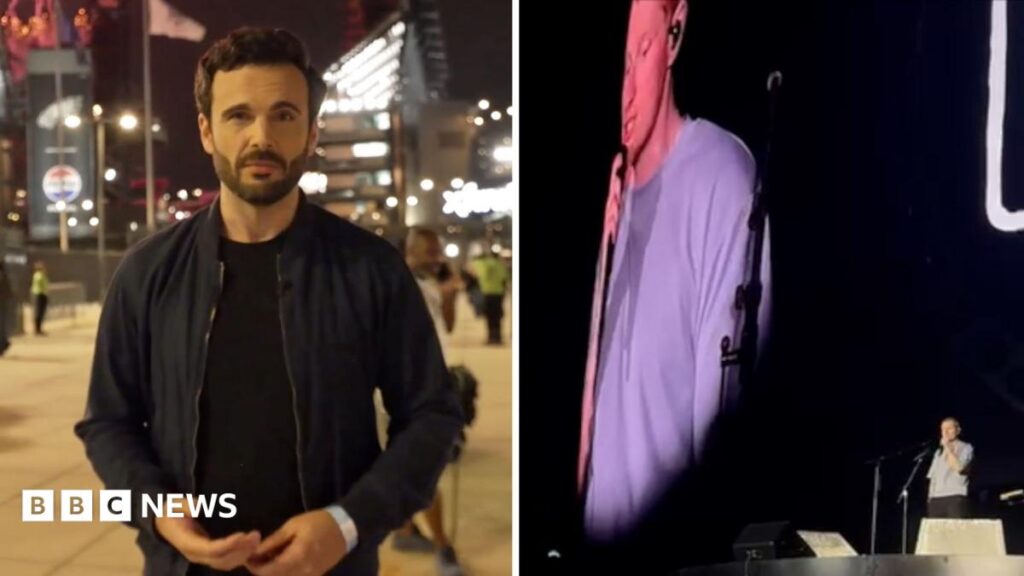
During a sold‑out show in Dublin on September 19, Sheeran paused between songs to address the audience. He said, “I’ve made mistakes, and I’m learning from them,” and went on to acknowledge the backlash surrounding Macklemore’s removal. He did not name Macklemore directly, but the reference was clear to anyone who had followed the news. The crowd responded with a mix of applause, chants of “We love you, Ed,” and a noticeable number of boos from those who felt the apology was insufficient.
Fans captured the moment on social media, and within hours the clip had amassed over 12 million views on TikTok. Commentators noted that Sheeran’s admission was rare for a pop star of his stature, especially on a live stage. Some praised the candor, calling it a “human moment,” while others accused him of trying to placate both sides without taking a firm stance. Music industry analysts, such as those at Billboard, suggested the incident could signal a new era where artists are forced to navigate political controversies in real time.
Macklemore, who was not present at the Dublin show, posted a short message later that night saying, “Respect to Ed for speaking up. The conversation continues.” The brevity of his reply left fans speculating about any underlying tension between the two performers. Sources close to Macklemore reportedly said he was “disappointed but not surprised,” given the increasing pressure on artists to align with corporate sponsors’ expectations.
Why It Matters: Free speech, cancel culture and the music business
The incident sits at the intersection of three powerful forces reshaping the entertainment industry: heightened political activism, the rise of cancel culture, and the commercial realities of large‑scale touring. When an artist’s personal expression triggers a corporate response, it raises questions about who controls the narrative— the artist, the label, the promoter, or the audience. In this case, the decision to drop Macklemore appears to have been motivated by a fear of alienating ticket‑buyers in markets where the Israeli‑Palestinian conflict remains a polarising issue.
Industry insiders point out that the financial stakes are enormous. A single arena tour can generate upwards of $150 million in gross revenue, and sponsors such as beverage brands and tech companies often include “political neutrality” clauses in their contracts. According to a 2025 report by the International Music Business Association, 68 % of major tour sponsors have asked artists to avoid “controversial political statements” during promotional periods. This trend puts musicians in a catch‑22: stay silent and risk alienating socially‑engaged fans, or speak out and risk losing lucrative deals.
The broader cultural implication is that artists may increasingly self‑censor to protect their brand. Critics argue that this erodes the historic role of musicians as agents of social change—a role that dates back to protest songs of the 1960s. Supporters of the cautious approach claim that artists should be free to focus on their craft without being forced into geopolitical debates that they may not be experts in. The Sheeran‑Macklemore episode has ignited a fresh wave of debate on whether the music industry is becoming a “safe space” or a “silenced arena.”
African & diaspora perspective: How the fallout resonates on the continent
While the controversy unfolded primarily in Western venues, its ripple effects are being felt across Africa’s vibrant music scene. Several African festivals, such as Nigeria’s AfroFuture and South Africa’s Cape Town International Jazz Festival, have scheduled European‑based headliners for 2027. Organisers now worry that any political misstep could jeopardise partnerships with local sponsors who are increasingly sensitive to global human‑rights narratives.
African artists themselves have long navigated the fine line between activism and commercial viability. Nigerian superstar Burna Boy, for example, has faced criticism for his comments on the Israel‑Palestine conflict, yet his record sales have remained robust in both African and Western markets. According to a 2026 study by the African Music Market Observatory, 42 % of African musicians say they have been asked by international promoters to tone down political statements before a tour. The Sheeran incident underscores why many African creators are calling for clearer contractual language that protects artistic freedom.
The diaspora community also reacts strongly. In cities like London, New York and Toronto, where large African and Caribbean populations attend concerts, fans often use live shows as platforms for solidarity protests. After Sheeran’s apology, a group of Ghanaian and Nigerian fans organized a flash‑mob chant of “Freedom for Palestine” during the encore, a moment that was livestreamed and sparked a conversation about the role of African diaspora audiences in shaping concert politics. This demonstrates that the African voice is no longer peripheral; it is an active stakeholder in global cultural debates.
What’s next: Potential fallout for future tours and industry policy
In the immediate term, Sheeran’s management has announced that Macklemore will not be reinstated on the current leg of the tour, but they are exploring a “special collaborative performance” for a later date, possibly in a neutral market such as Singapore. The decision appears to be a compromise aimed at preserving the tour’s revenue while offering Macklemore a chance to re‑engage with fans without the pressure of a full‑scale arena slot.
Long‑term, the incident may prompt a re‑examination of contract clauses that restrict political speech. Legal scholars at the University of Lagos have already drafted a white paper proposing a “Free‑Expression Addendum” for touring agreements, arguing that artists should retain the right to voice personal convictions without automatic termination clauses. If adopted, such provisions could become a new standard for African‑based promoters seeking to attract international talent while protecting local artists’ autonomy.
Finally, the conversation is likely to spill over into streaming platforms, where algorithmic recommendations can amplify or suppress politically charged content. Spotify’s recent partnership with the International Federation of the Phonographic Industry (IFPI) includes a “content‑sensitivity review” that could affect how songs with activist lyrics are promoted in certain regions. As the music ecosystem becomes more data‑driven, the balance between commercial algorithms and artistic expression will be a battleground that both Western and African stakeholders will watch closely.
Quick Answers
Why was Macklemore removed from Ed Sheeran’s 2026 tour?
Macklemore was dropped after his pro‑Palestinian Instagram post sparked concerns among promoters and sponsors about potential ticket‑sale losses and brand conflicts.
How could the controversy affect African artists on international tours?
African musicians may face tighter contractual clauses that limit political speech, prompting calls for clearer agreements that protect artistic freedom while touring abroad.
What is the likely next step for Ed Sheeran and Macklemore’s collaboration?
Sheeran’s team said a special joint performance could be arranged later in a neutral market, but Macklemore will not rejoin the current tour leg.
Source: www.bbc.co.uk


💬 Comments 0