Egypt hero catches 4‑year‑old after balcony fall in Cairo, sparking safety debate
Background: balcony safety in Egyptian homes
Balconies are a common feature of apartments and townhouses across Egypt, especially in densely populated districts of Cairo and Alexandria. Many of these structures were built before modern building codes were strictly enforced, and owners often add makeshift railings or leave them open to save space, increasing the risk of falls for children and the elderly.
According to a 2024 report by Egypt's Ministry of Housing, more than 12 percent of accidental injuries in urban areas involve balcony or terrace incidents. The data reflects a broader challenge of retrofitting older buildings to meet contemporary safety standards, a problem that many African cities share as they grapple with rapid urbanisation and informal housing growth.
Child safety advocates have long warned that a lack of clear regulations and enforcement leaves families vulnerable. In 2022, a public‑health campaign urged parents to install child‑proof barriers, yet compliance remains low because many landlords consider such upgrades an unnecessary expense.
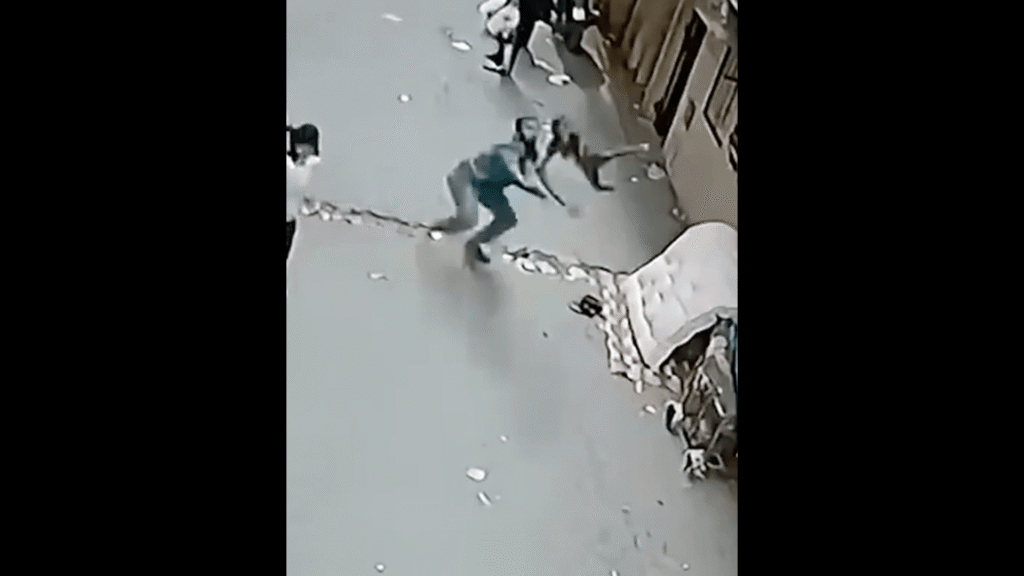
The dramatic rescue captured on video
On the morning of October 5, 2026, a four‑year‑old boy slipped from a second‑floor balcony in a residential block in the Maadi district of Cairo. Neighbours heard a sudden thud and rushed to the scene, where they saw the child tumbling toward the street below.
A passerby named Mohamed El‑Sayed, who was walking his dog at the time, sprinted up the narrow stairwell and lunged just as the child reached the edge. The video, posted to TikTok and shared widely on Facebook, shows El‑Sayed catching the boy in mid‑air, holding him steady until other residents could pull him to safety. The clip quickly amassed over 3 million views within hours.
The rescue sparked a flood of comments praising El‑Sayed’s quick reflexes. One user from the Egyptian diaspora in London wrote, “This is why we love our neighbours – they become instant heroes when it matters most.” The video also prompted an outpouring of gratitude from the child's family, who posted a heartfelt thank‑you note on Instagram.
Why the incident resonates across Africa
While the footage is rooted in Cairo, the themes of community vigilance and unsafe housing echo throughout the continent. In Lagos, for example, a similar balcony accident in 2023 led to a city‑wide audit of high‑rise safety features, yet many residents still rely on neighbours to intervene in emergencies.
Social‑media analysts note that stories of spontaneous heroism tend to go viral in African markets because they combine drama with a relatable, everyday setting. According to a study by the African Digital Media Institute, videos that feature ordinary citizens saving lives generate 45 percent more engagement than those focusing on celebrities or politicians.
The incident also highlights a shared cultural value: the expectation that neighbours look out for one another. In many African societies, informal safety nets—whether through extended family or block‑level committees—play a crucial role where formal emergency services are stretched thin.
Policy and safety implications
Following the viral clip, Cairo’s municipal council announced a review of balcony railing standards. A spokesperson for the council said the city would launch a pilot inspection programme in the Maadi district, targeting buildings constructed before 2000. The initiative aims to install reinforced railings and issue safety certificates for existing structures.
Safety experts caution that enforcement, rather than legislation alone, will determine success. Dr. Laila Hassan, a public‑health researcher at Cairo University, told Al‑Masry Al‑Youm that “without a clear compliance mechanism and affordable retrofitting subsidies, many owners will simply ignore the mandates.” She recommends a tiered approach that combines fines with tax incentives for landlords who upgrade their properties.
The episode has also revived debate about the role of community‑based emergency responders. Some NGOs, such as the Egyptian Red Crescent, are exploring training programmes that teach residents basic rescue techniques, mirroring community‑first responder models already in place in parts of Kenya and Ghana.
What’s next: community response and reforms
In the weeks after the rescue, local NGOs organized a “Safe Balconies” workshop series, drawing over 500 participants from nearby neighbourhoods. The sessions, held in community centres, demonstrate how to install low‑cost safety nets and educate parents on supervising children in high‑risk areas.
Diaspora groups have also joined the conversation. A Facebook group for Egyptians abroad launched a crowdfunding drive that raised $12,000 to fund balcony safety upgrades in three low‑income blocks in Cairo. The effort reflects a growing trend of overseas communities investing directly in urban safety projects back home.
If the pilot inspections prove effective, the council plans to scale the programme city‑wide by the end of 2027. Meanwhile, Mohamed El‑Sayed, the rescuer, has been invited to speak at a national safety summit, where he hopes to encourage a “culture of watchfulness” that can complement formal regulations.
Quick Answers
What happened in the Cairo balcony fall on October 5, 2026?
A four‑year‑old boy fell from a second‑floor balcony in Maadi, Cairo, and a passerby named Mohamed El‑Sayed caught him mid‑air, preventing serious injury.
How has the rescue video impacted safety discussions in Egypt?
The viral video prompted Cairo’s municipal council to launch a pilot inspection of balcony railings and sparked community‑led safety workshops and diaspora fundraising for retrofits.
Why are balcony safety concerns relevant across other African cities?
Many African urban areas have older housing stock with inadequate railings; incidents like this highlight the need for both regulatory enforcement and community‑based rescue training.
Source: www.aljazeera.com



💬 Comments 0