Ethiopia expands control in Tigray as Eritrea denies involvement, US urges de‑escalation – 2026 Horn of Africa impact
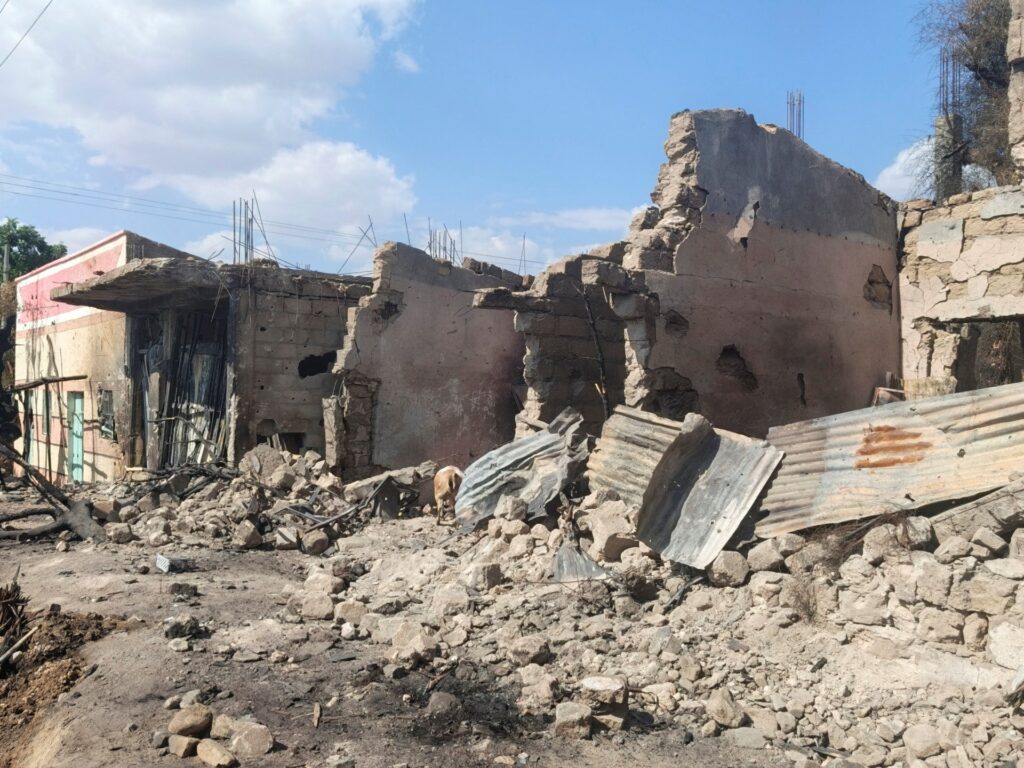
Background: a conflict that has reshaped the Horn
The war in Ethiopia’s northern Tigray region began in November 2020 when federal forces launched an offensive against the Tigray People’s Liberation Front (TPLF). What started as a power struggle quickly spiraled into a humanitarian disaster, drawing in neighboring Eritrea and pulling in regional and international actors.
Eritrean troops entered Tigray in late 2020, reportedly to target TPLF fighters and to settle old scores from the 1998‑2000 Ethiopia‑Eritrea war. Their presence has been a source of controversy, with the United Nations and human‑rights groups documenting alleged atrocities, while the Eritrean government has consistently denied any formal deployment.
What happened this week: Ethiopian gains and militia claims
On October 13, Ethiopian federal forces announced they had seized the strategic town of Shire, a key logistics hub that links the central highlands to the border with Eritrea. The advance follows a series of offensives that have pushed the TPLF back toward the mountains of the Amhara region.
Local militia groups, many of which are aligned with the Tigrayan resistance, claimed that Eritrean soldiers suffered heavy casualties during a failed counter‑attack near the town of Axum. The militia said dozens of Eritrean fighters were killed or wounded, though no independent verification is available yet.
Eritrea’s denial and the United States’ call for calm
Eritrea’s Ministry of Foreign Affairs issued a brief statement on October 14, rejecting reports of any troop movements inside Ethiopia’s northern zones. The ministry argued that any claims of Eritrean losses were “fabricated propaganda” aimed at tarnishing the country’s image.
At the same time, the United States, through its embassy in Addis Ababa, urged all parties to de‑escalate and resume dialogue under the African Union’s mediation framework. The US statement highlighted concerns about a widening refugee crisis and the risk of the conflict spilling over into Sudan, which is already grappling with its own instability.
Why it matters for Africa and the diaspora
The renewed fighting threatens to displace another wave of civilians. UN agencies estimate that up to 1.2 million people could be forced to flee their homes in the next month, many of whom are expected to cross into Sudan’s Darfur region, putting additional strain on humanitarian operations already stretched thin.
Ethiopia is Africa’s second‑largest economy and a major exporter of coffee, livestock, and textiles. Disruption in the north can reverberate through supply chains, potentially driving up coffee prices on global markets and affecting smallholder farmers who rely on export revenues. For the Ethiopian diaspora in the United States, Canada, and Europe, the conflict reignites concerns about family safety and the flow of remittances that sustain households back home.
Politically, the clash tests the credibility of the African Union’s peace‑building mechanisms. If the AU’s mediation fails, member states may be forced to intervene militarily or impose sanctions, a scenario that could set a precedent for handling intra‑state wars on the continent.
What’s next: diplomatic pathways and possible flashpoints
The next few weeks are likely to be decisive. The African Union has scheduled a high‑level summit in Addis Ababa for early November, where Ethiopia, Eritrea, and representatives of the TPLF are expected to meet. Observers say the success of that summit will hinge on whether the federal government can demonstrate a credible cease‑fire on the ground.
Meanwhile, regional powers such as Kenya and South Africa are quietly offering to host back‑channel talks, hoping to prevent the conflict from destabilising the Horn’s already fragile security architecture. If Eritrea continues to deny involvement, however, verification mechanisms will remain weak, making it harder for international monitors to enforce any agreement.
For the diaspora, the coming months may bring renewed fundraising drives and advocacy campaigns aimed at pressuring foreign governments to intervene more forcefully. Social media trends show a surge in hashtags like #TigrayPeace and #EthiopiaStability, indicating that the community is mobilising to keep the issue on the global agenda.
Quick Answers
What is the current status of Ethiopian forces in Tigray?
As of mid‑October 2026, Ethiopian federal troops have captured the town of Shire, extending their control deeper into the northern part of the region.
Has Eritrea confirmed its troops are fighting in Tigray?
No, Eritrea’s government publicly denied any troop movement inside Ethiopia, despite militia reports of Eritrean casualties.
How could the fighting affect the African diaspora?
Escalation may increase refugee flows to neighboring countries and heighten concerns among diaspora families, prompting more humanitarian fundraising and political advocacy abroad.
Source: www.aljazeera.com




💬 Comments 0