Europe’s 2026 Scorched Landscape From Space Shows Record Drought, Threatening Wheat Imports to Africa
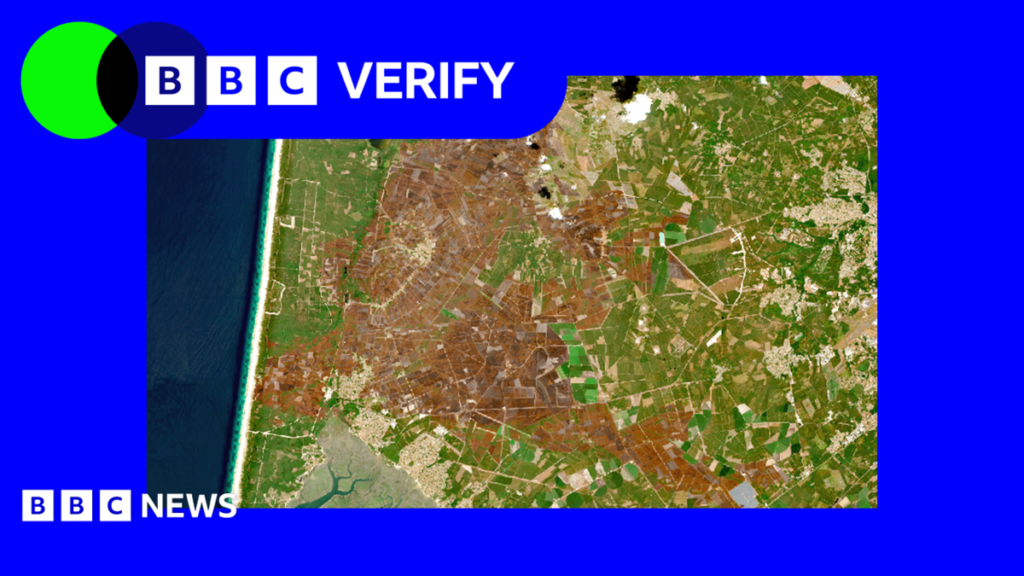
Record heatwaves and droughts in western Europe
The summer of 2026 saw an unprecedented string of heatwaves across western Europe, with temperatures soaring above 40 °C in parts of Spain, France and Italy. Meteorological agencies recorded the longest consecutive period of extreme heat in the region’s modern history, eclipsing the infamous 2003 event.
Accompanying the heat was a severe drought that pushed river levels to historic lows. The Rhine, Seine and Danube all fell below critical thresholds, prompting water restrictions for agriculture, industry and even domestic use. These conditions have been linked by climate scientists to a combination of natural variability and the accelerating influence of human‑driven climate change.
Satellite images reveal a continent turned brown
High‑resolution satellite imagery released by the European Space Agency (ESA) shows swathes of western Europe stripped of vegetation. Fields that once displayed a patchwork of green now appear as pale, cracked earth, especially in the Po Valley and the French Aquitaine region. Mountain ranges such as the Pyrenees also show reduced snow cover, with snowlines retreating 500 metres higher than usual.
The visual evidence is more than aesthetic; it quantifies the loss of plant water content and highlights hotspots where soil moisture has dropped below 5 percent – a level considered catastrophic for most crops. Researchers are using these data to calibrate drought‑impact models that feed into early‑warning systems for food security.
Why the scorched lands matter beyond Europe
The immediate fallout is felt by European farmers who face lower yields of wheat, barley and maize. According to the European Commission’s latest agricultural outlook, the 2026 wheat harvest could be up to 15 percent below the EU average, tightening an already fragile global grain market.
Africa, and especially North‑East Africa, depends heavily on European wheat imports to meet domestic demand. The United Nations Food and Agriculture Organization (FAO) estimates that about 8 percent of Egypt’s wheat supply comes from the EU, while Nigeria imports a smaller but still significant share of high‑quality flour. A shortfall in European output could push up prices on African markets, amplifying food‑inflation pressures already felt after the 2022‑23 droughts in the Sahel.
Energy markets are also on edge. Europe’s reduced river flows limit hydro‑electric generation, forcing a greater reliance on gas and coal. Higher European energy costs ripple through global commodity pricing, affecting African industries that import fuels and electricity‑intensive inputs.
African angle: trade, climate finance and diaspora concerns
The drought’s impact on European grain supplies has sparked urgent discussions in African trade ministries. Kenya’s Ministry of Agriculture announced a contingency plan to boost local sorghum production, aiming to offset potential wheat price spikes. Meanwhile, the African Development Bank (AfDB) is accelerating its climate‑resilience loans for irrigation projects in Ethiopia and Sudan, hoping to insulate farmers from similar heat‑driven shocks.
For the African diaspora in Europe, the crisis is personal. Community groups in cities like Paris, Milan and London have organised food‑bank drives to support newly arrived migrants who may face higher living costs. The diaspora also serves as a conduit for information, with many African entrepreneurs in Europe lobbying their home‑country governments for preferential grain‑trade agreements that could cushion price volatility.
On the policy front, the European Union’s Green Deal includes a pledge to increase climate‑adaptation funding for partner countries in the Global South. NGOs argue that the 2026 heatwave underscores the urgency of fulfilling that pledge, suggesting that without adequate support, African nations will bear the brunt of a climate‑driven food crisis that originates half a world away.
What comes next: policy, adaptation and global cooperation
European policymakers are under pressure to translate the stark satellite evidence into concrete action. The European Commission has proposed a “Heat‑Ready Europe” package that would expand drought‑monitoring networks, incentivise drought‑tolerant crop varieties, and tighten water‑use regulations for industry.
Internationally, the situation is fueling calls for a more coordinated climate‑risk insurance scheme. The World Bank’s Climate Risk Fund is exploring a pilot that would pool resources from both donor nations and private insurers to compensate farmers in Europe and Africa when heatwaves trigger severe yield losses.
For African stakeholders, the next steps involve diversifying import sources, strengthening regional grain reserves, and scaling up climate‑smart agriculture. The 2026 European heatwave serves as a reminder that climate shocks are no longer isolated events; they cascade across borders, markets and communities, demanding a truly global response.
Quick Answers
How did the 2026 European heatwave affect wheat prices in Africa?
Reduced wheat harvests in Europe pushed global prices up, leading to higher import costs for African countries that rely on EU wheat, such as Egypt and Kenya.
What satellite data showed the drought in western Europe?
ESA’s Sentinel‑2 satellites captured images of brown, moisture‑depleted fields and receded snowlines, indicating soil moisture below 5 percent in many hotspots.
Are there any plans to help African farmers adapt to similar heatwaves?
The African Development Bank is fast‑tracking climate‑resilience loans for irrigation and drought‑tolerant crops, while the EU’s Green Deal pledges increased adaptation funding for partner countries.
Source: www.bbc.co.uk




💬 Comments 0