Explosions shake Addis Ababa after Ethiopia bans drone flights amid new rebel alliance, June 2026
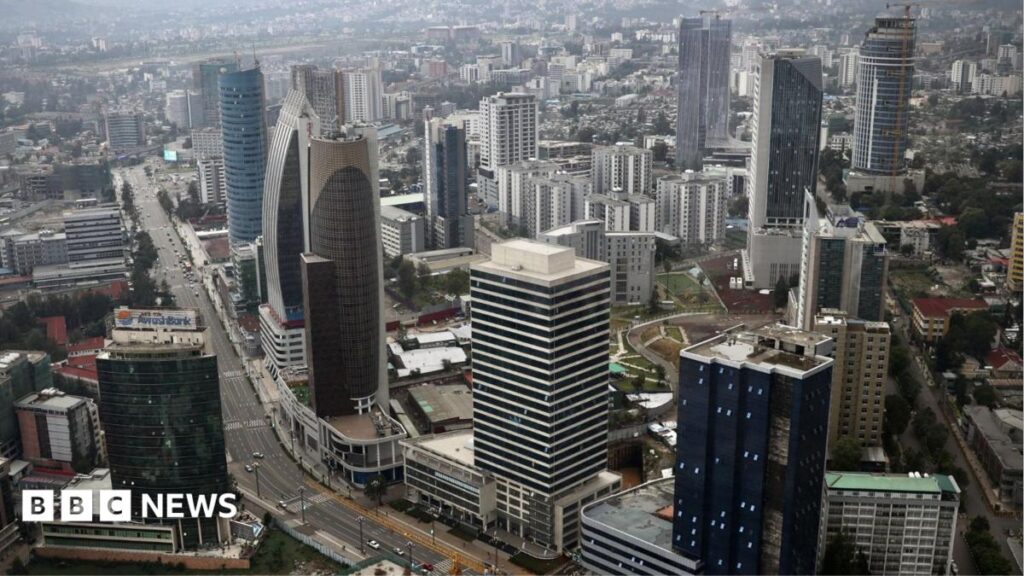
A fragile peace teeters on new rebel coalitions
Ethiopia has spent the last decade juggling multiple conflicts, from the devastating war in Tigray that ended in 2022 to recurring unrest in the Amhara and Oromia regions. While a tenuous national calm returned after the Tigray cease‑fire, the country’s political fault lines have never fully healed. In early May 2026, a fresh coalition of armed groups – loosely described by officials as the “Northern Unity Front” – announced its opposition to the federal government, citing grievances over marginalisation and disputed elections.
The alliance quickly gathered fighters from remnants of the Tigray People’s Liberation Front, disaffected Amhara militias, and several Oromo insurgent cells. Their stated aim is to force a renegotiation of power-sharing arrangements and to demand greater regional autonomy. Within a week of its formation, skirmishes erupted along the highway that links Addis Ababa to the northern town of Dessie, putting the capital’s security forces on high alert.
Analysts note that the emergence of a coordinated front marks a shift from Ethiopia’s usual pattern of fragmented insurgencies. A united front can pool resources, share intelligence and, crucially, acquire more sophisticated weaponry – including the small, commercially available drones that have become a staple of modern low‑intensity warfare across the Horn of Africa.
Why the government outlawed civilian drones
In response to the rising threat, Prime Minister Abiy Ahmed’s administration announced a nationwide ban on all civilian drone operations on 22 May 2026. The decree, issued by the Ministry of Transport, prohibits the launch, landing, or even the storage of unmanned aerial vehicles weighing less than 25 kilograms without a special permit. Violators face fines up to 500,000 birr and possible imprisonment.
Officials argue that the ban is a security measure aimed at cutting off a cheap surveillance and attack tool that rebel groups have been using to scout government convoys and drop small explosive payloads. A senior security adviser, speaking on condition of anonymity, told local media that “the proliferation of off‑the‑shelf drones has already cost us lives and material, and we cannot afford a loophole any longer.”
Critics, however, warn that the sweeping restriction could cripple legitimate sectors such as agriculture, where drones are used for precision farming, and humanitarian logistics, where they aid in delivering medical supplies to remote highland villages. The ban also threatens Ethiopia’s burgeoning tech startup scene, which had been positioning the country as a regional hub for drone‑based services.
Explosions echo through Addis Ababa
Late on 28 June 2026, residents of the capital reported a series of loud booms near the Bole International Airport and the nearby Bole Meda area. Witnesses described seeing flashes of light and hearing a metallic “crack” that rattled windows for several minutes. Emergency services rushed to the scene, but no major casualties were confirmed in the first hours.
The government’s emergency response team released a brief statement saying the blasts were “likely the result of a misfired or intercepted drone” and that security forces were “actively securing the area and investigating the source.” The statement stopped short of confirming whether the explosions were caused by rebel activity, a stray military drone, or an accidental detonation of stored munitions.
Local journalists, who are operating under increasing pressure, have reported that the explosions coincided with the day the drone ban went into effect. Some opposition voices, quoted by the Ethiopian News Agency, suggested the blasts were a warning shot from the rebels, signalling that they can still strike the capital despite the new restrictions.
What the unrest means for Africa and the diaspora
Ethiopia’s instability reverberates far beyond its borders. As Africa’s second‑largest economy, the country accounts for roughly 15 % of the continent’s total GDP and is a key coffee exporter. Any disruption to transport corridors – especially the Addis‑Adama highway that links the capital to the port of Djibouti – can tighten global coffee prices and affect the earnings of millions of small‑holder farmers across East Africa.
For the Ethiopian diaspora, which numbers over five million people worldwide, the escalation raises concerns over safety and remittance flows. The World Bank estimates that diaspora remittances make up about 10 % of Ethiopia’s GDP; a prolonged conflict could trigger tighter banking controls and slower money transfers, directly hurting families back home.
Regionally, neighboring Sudan, South Sudan and Kenya watch Ethiopia’s turmoil with unease. The Horn of Africa already grapples with climate‑driven displacement and competing water claims over the Blue Nile. A protracted conflict in Ethiopia could fuel cross‑border refugee movements and strain the already limited humanitarian capacity of the United Nations High Commissioner for Refugees (UNHCR) in the region.
Possible trajectories and what to watch for
If the rebel alliance manages to sustain its offensive, the government may be forced to tighten security measures further, possibly extending the drone ban to include satellite‑based surveillance and imposing curfews in the capital. Such steps could draw criticism from international human‑rights organisations and risk alienating foreign investors who fear an unpredictable operating environment.
Conversely, a decisive military push by federal forces could fragment the alliance, prompting some factions to return to negotiations. The African Union, headquartered in Addis Ababa, has repeatedly called for an inclusive dialogue, but its ability to mediate is limited by the fact that the government has been reluctant to concede on power‑sharing demands.
Observers suggest that the next few weeks will be pivotal. Key indicators to monitor include: any official changes to the drone ban’s enforcement (e.g., the introduction of a licensing regime for commercial operators), the frequency of reported explosions or drone‑related incidents in and around the capital, and diplomatic activity – especially any back‑channel talks involving the United Nations, the European Union, or Gulf states that have economic stakes in Ethiopia’s stability.
Quick Answers
Why did Ethiopia ban civilian drones in June 2026?
The government said the ban was needed to stop rebel groups from using cheap drones for surveillance and attacks after a new armed alliance emerged.
What caused the explosions heard in Addis Ababa on 28 June 2026?
Officials said the blasts were likely from a misfired or intercepted drone, but they have not confirmed whether rebels, the military, or an accident was responsible.
How could the unrest in Ethiopia affect coffee prices worldwide?
Disruptions to transport routes can delay coffee exports, tightening global supply and pushing up prices, which impacts farmers and consumers across East Africa.
Source: www.bbc.co.uk




💬 Comments 0