Father Leaves 7-Year-Old Son Alone on Mount Fuji, Japan, 2026 – What It Means for Child Safety and African Travelers
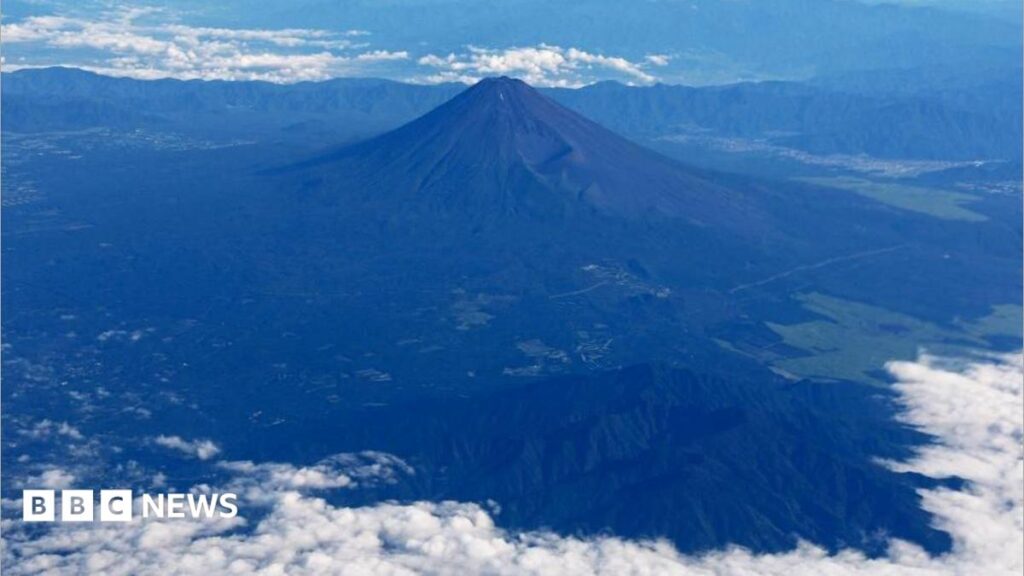
Mount Fuji: Japan’s Iconic Yet Challenging Destination
Every spring and autumn, thousands of domestic and international hikers flock to Mount Fuji, drawn by its symmetrical cone and the promise of sunrise from the summit. The mountain’s official climbing season runs from early July to early September, when weather conditions are relatively stable and rescue teams are on standby. Despite the popularity, the ascent remains physically demanding; steep trails, altitude changes, and sudden temperature drops test even seasoned trekkers. Japanese authorities require climbers to register at mountain huts, carry proper gear, and adhere to safety briefings, but enforcement largely depends on individual responsibility.
In recent years, Japan has seen a surge in overseas visitors, including many from Africa, attracted by the cultural cachet of summiting Fuji. Travel agencies market the climb as a bucket‑list experience, often bundling it with guided tours that promise “stress‑free” logistics. However, the emphasis on the photo‑op moment sometimes eclipses the practical preparation needed for families with young children, setting the stage for risky decisions on the trail.
The Incident: A Father’s Decision on the Slopes
According to local news reports, a Japanese father and his two sons embarked on a day‑long hike up Fuji’s Yoshida Trail in early August. Mid‑way through the ascent, the adult reportedly grew fatigued and chose to press on alone, leaving his seven‑year‑old son at a rest point while his older sibling continued with him. The younger child was later discovered by a mountain‑hut volunteer, unharmed but alone for several hours before rescue teams escorted him down.
Police statements confirmed that the father was detained for questioning on charges of child endangerment. The incident sparked immediate outrage on Japanese social media, where users condemned the abandonment as “reckless” and called for stricter penalties for parents who jeopardise minors during outdoor activities.
Why the Story Resonates Beyond Japan
Beyond the moral outrage, the case raises legal and policy questions about how Japan handles child‑safety violations in remote settings. Japanese law mandates that minors be under constant supervision in public spaces, but enforcement on mountainous terrain is logistically complex. The Fuji incident could prompt lawmakers to consider mandatory child‑safety briefings for groups that include minors, similar to regulations already in place for school field trips.
The episode also feeds into a global conversation about parental responsibility when travelling abroad. In many jurisdictions, abandoning a child—even temporarily—can trigger criminal charges that carry heavy fines or imprisonment. For families planning overseas adventures, the incident serves as a cautionary tale that cultural expectations of “toughing it out” on a hike do not override universal child‑protection standards.
A Growing Trend of Child‑Abandonment Cases on International Trails
The Fuji case is not isolated. In the past five years, several high‑profile incidents have been reported on popular trekking routes in Nepal, Peru, and the United States, where parents left young children unattended to catch up with faster‑moving groups. According to a 2025 study by the International Association of Travel Medicine, incidents of child neglect on outdoor excursions have risen by 18 % since 2020, a trend linked to the post‑pandemic surge in adventure tourism.
These patterns have forced insurance providers to tighten policy language, often excluding coverage for accidents that stem from parental negligence. Travel agencies catering to African and diaspora clients are now revising their risk‑assessment questionnaires, asking explicitly whether children will be supervised at all times and whether the group includes certified guides.
African Travelers and the Fuji Fallout
Nigeria, Kenya, and South Africa rank among the African nations with the fastest‑growing numbers of tourists visiting Japan, many of whom are drawn to iconic sites like Fuji. The incident has already prompted reactions from African travel influencers who warned their followers that “adventure doesn’t mean abandoning safety protocols.” A Nigerian tour operator, Lagos‑based SafariJapan, announced it will add a mandatory child‑supervision clause to its Fuji packages, requiring a certified guide to accompany any party with minors.
Diaspora communities in Tokyo also voiced concerns, noting that negative headlines could reinforce stereotypes about African families being “unprepared” for Japanese customs. By highlighting that the issue is a universal parenting challenge rather than an ethnic one, African media outlets are seeking to keep the focus on child welfare and not on cultural blame.
What Comes Next: Legal Outcomes and Practical Advice
The father’s case is expected to go to trial later this year, with prosecutors likely seeking a custodial sentence under Japan’s Child Welfare Act. Legal experts predict that a conviction could set a precedent for harsher penalties in similar situations, encouraging authorities to issue clearer guidelines for families on high‑altitude hikes.
For African families planning to trek Fuji—or any remote mountain—experts recommend three practical steps: (1) hire a licensed guide who can monitor children at all times; (2) purchase travel insurance that explicitly covers incidents arising from parental negligence; and (3) undergo a brief safety workshop offered by most Japanese mountain‑hut associations. By treating child safety as a non‑negotiable part of the adventure, travelers can avoid legal trouble and, more importantly, keep their children out of harm’s way.
Quick Answers
What legal charges can a parent face in Japan for leaving a child alone on a mountain?
The parent can be charged with child endangerment under Japan’s Child Welfare Act, which may result in fines, imprisonment, or both.
How are African tour operators responding to the Mount Fuji incident?
Many are adding mandatory child‑supervision clauses and requiring certified guides for any party that includes minors.
What safety measures should families take when hiking Mount Fuji with children?
Hire a licensed guide, secure comprehensive travel insurance, and attend a pre‑hike safety briefing offered by mountain‑hut associations.
Source: www.bbc.co.uk




💬 Comments 0