Finland Halts Google’s Two New Data Centres Over Forest Clearance, 2026
Background: Finland’s data‑centre push and the forest controversy
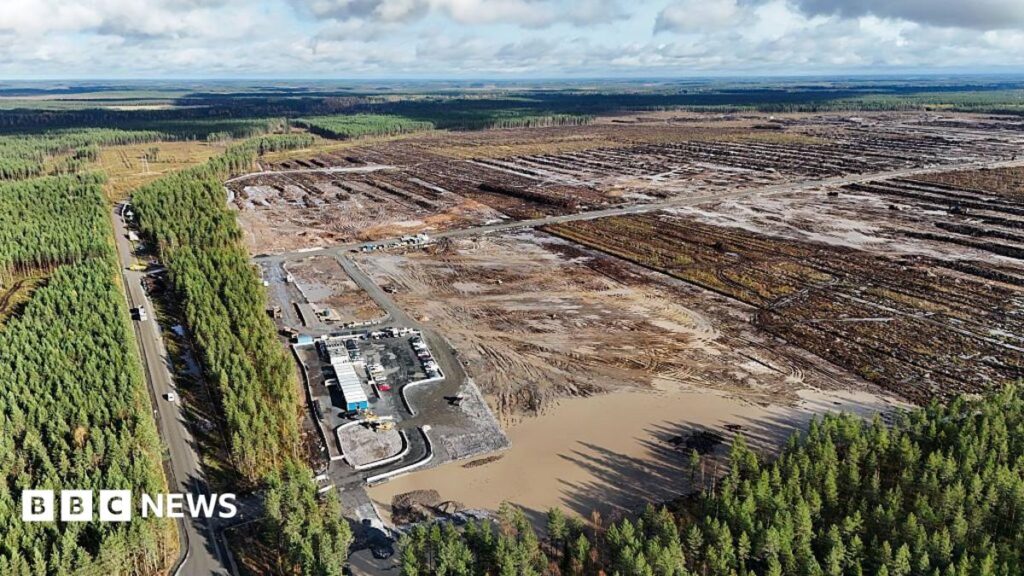
Finland has been courting big‑tech firms for years, offering cheap, reliable power and a stable regulatory climate. In 2023, Google announced plans to build two hyperscale data centres in the eastern region of North Karelia, promising up to 1,500 jobs and a boost to the local economy. The sites were earmarked on land that includes boreal forest, an ecosystem prized for carbon storage and biodiversity, and which is protected under both national law and EU nature directives.
Environmental NGOs, including the Finnish Association for Nature Conservation, raised alarms that the construction would require clearing hundreds of hectares of old‑growth forest. Critics argued that the promised economic benefits did not outweigh the irreversible loss of carbon‑sequestering habitats, especially as the EU tightens its climate‑change commitments under the European Green Deal.
The halt: What the Finnish Ministry of the Environment ordered
On 3 October 2026, the Ministry of the Environment issued a binding order to suspend all ground‑breaking work on the two Google sites until a full environmental impact assessment (EIA) could be completed. The order cited “significant concerns over forest clearance that could jeopardise national climate targets and breach EU habitat protection rules.” The decision is enforceable under Finland’s Environmental Protection Act and can be appealed only after a court review.
Google’s Finnish subsidiary, Google Finland Oy, responded that it “remains committed to sustainable development” and will cooperate with authorities to revise its plans. The company has not disclosed whether it will relocate the facilities, reduce the footprint, or adopt new building techniques that preserve more forest cover.
Why it matters: Environmental policy meets tech expansion
The Finnish order is one of the first high‑profile cases where a European government has used environmental law to curb a major tech‑infrastructure project. It signals that the era of “green‑wash” data‑centre construction—where firms tout renewable energy while ignoring land‑use impacts—faces real regulatory pushback. Analysts say the ruling could set a precedent for other EU nations grappling with similar forest‑clearance debates in Sweden, Estonia and Poland.
From a climate perspective, data centres now account for roughly 1 % of global electricity demand, according to the International Energy Agency. Protecting boreal forests, which store more carbon per hectare than tropical rainforests, is a cost‑effective way to offset that demand. The Finnish decision therefore underscores a growing view that digital expansion must be balanced against ecosystem preservation.
Implications for Africa’s fast‑growing data‑centre market
Africa is experiencing a data‑centre boom, driven by rising internet penetration, mobile‑first economies and the rollout of 5G. Countries such as Kenya, Nigeria and South Africa are courting global cloud providers with tax incentives and renewable‑energy pledges. Yet many projects sit on land that is either agricultural or ecologically sensitive, raising similar forest‑clearance concerns that have now surfaced in Finland.
The Finnish case offers a cautionary tale for African policymakers. It shows that short‑term job creation arguments can be outweighed by long‑term environmental liabilities, especially when international climate finance is at stake. African regulators may begin to demand stricter EIAs and require developers to adopt “green‑by‑design” standards—such as using modular data‑centre units that can be stacked on existing industrial sites rather than clearing new forested land.
Reactions: From the tech sector, NGOs and local communities
Tech‑industry observers have praised Finland for “putting nature first,” but some fear the decision could slow Europe’s ambition to become a global cloud hub. A senior analyst at IDC warned that “over‑regulation could push investors toward jurisdictions with laxer land‑use rules, potentially shifting the environmental burden elsewhere.”
Local residents in North Karelia, many of whom depend on forestry for their livelihoods, expressed mixed feelings. While some welcomed the protection of the forest, others worried about the loss of promised jobs and infrastructure upgrades. The municipal council has called for a mediated solution that could involve re‑routing the data‑centre footprints to already‑degraded sites.
What’s next: Legal avenues, policy adjustments and industry adaptation
Google is expected to file an appeal within the next 30 days, arguing that the order “unduly hampers investment” and that the company’s internal sustainability roadmap already exceeds Finnish standards. The appeal will test how Finnish courts balance economic freedoms against environmental statutes, a legal question that could reverberate across the EU.
In the meantime, the Finnish government has announced a review of its data‑centre permitting framework, aiming to embed stricter forest‑protection clauses and require carbon‑offset commitments before any ground is broken. If the new rules pass, they could become a model for other nations seeking to align digital infrastructure with climate‑action goals, including several African governments that are drafting their own green‑tech policies.
Quick Answers
Why did Finland stop Google’s data‑centre construction?
Finland halted the projects because authorities said the planned forest clearance could breach national climate targets and EU habitat‑protection rules.
How could this decision affect data‑centre development in Africa?
The ruling highlights the need for robust environmental assessments, prompting African countries to tighten land‑use requirements for future data‑centre projects.
What are Google’s next steps after the Finnish order?
Google plans to appeal the halt and work with regulators on a revised environmental impact assessment to possibly redesign or relocate the sites.
Source: www.bbc.co.uk




💬 Comments 0