Flash flood on Nepal‑Tibet border kills 17, leaves hundreds missing – Rasuwa disaster 2026
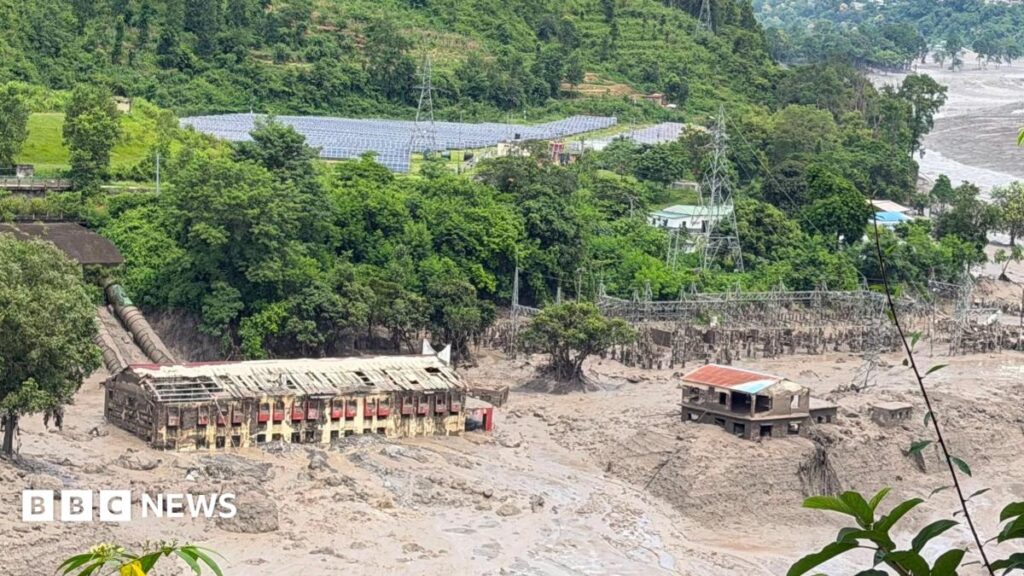
A deadly deluge on the Nepal‑Tibet frontier
In the early hours of August 24, 2026, a sudden flash flood roared down the Trishuli River basin in Rasuwa district, a rugged region north of Kathmandu that shares a porous border with Tibet. The torrent swept away homes, roads and bridges, carving a new channel that swallowed entire hamlets. Local officials confirmed 17 fatalities and warned that hundreds more remain unaccounted for as rescue teams struggle to reach isolated valleys cut off by landslides.
The disaster unfolded just days after Nepal’s monsoon season entered its peak, a period traditionally marked by heavy rain but rarely by the kind of flash flood that can move a mountain river at the speed of a highway. The scale of destruction has prompted the Nepali government to declare a state of emergency in Rasuwa, while China’s Tibet Autonomous Region has sent a limited contingent of rescue workers across the border.
Why the flood happened: glacial melt, monsoon, and climate stress
Scientists point to a perfect storm of climatic factors that amplified the flood’s intensity. Rapid warming over the Himalayas has accelerated the melt of glaciers such as the Langtang and Tsho Rolpa, feeding the river with meltwater even before the monsoon rains arrived. According to a recent UN Environment Programme (UNEP) briefing, the region’s average temperature has risen by 1.2 °C over the past three decades, a shift that destabilises moraine-dammed lakes and raises the risk of outburst floods.
Adding to the glacial melt, an anomalous burst of precipitation recorded by the Nepal Meteorological Department poured more than 150 mm of rain in a six‑hour window on August 23. The combination of saturated soils, steep slopes and a sudden release of water from a previously stable glacial lake created the flash flood that devastated Rasuwa. Experts say such compound events are becoming more frequent in the Himalayas, mirroring patterns observed in other mountain ranges worldwide.
Human cost and immediate response
The human toll of the disaster extends beyond the confirmed deaths. Villagers describe scenes of entire families swept away, livestock lost, and food stores destroyed. “We lost our home and my brother,” said Maya Sherpa, a survivor from the village of Gokuleshwar, speaking through a translator. The Nepalese Army, alongside the National Disaster Risk Management Authority (NDRMA), has deployed helicopters, infantry units and medical teams to air‑lift survivors to temporary shelters in Kathmandu and Pokhara.
International aid has begun to trickle in. The World Food Programme (WFP) announced a shipment of emergency rations for 10,000 displaced people, while the International Committee of the Red Cross (ICRC) set up a field hospital near the district headquarters. However, logistics remain a challenge; the main highway that connects Rasuwa to the capital is blocked by landslides, forcing rescue crews to navigate narrow footpaths that were themselves carved by the flood.
The Nepalese diaspora, particularly communities in the Gulf states and India, have launched crowdfunding campaigns on platforms such as GoFundMe and local Nepali portals. In Kenya, a small but growing Nepali expatriate network organized a donation drive, highlighting how the disaster resonates far beyond the Himalayas.
Ripple effects for Nepal’s economy and regional ties
Rasuwa district, though sparsely populated, is a key conduit for tourism and hydropower projects that feed into Nepal’s national grid. The destruction of access roads threatens the completion of the Upper Trishuli 1A hydropower plant, a $1.2 billion venture that is part of Nepal’s plan to export surplus electricity to India and, increasingly, to China. Delays could shave off an estimated $150 million in projected revenue over the next five years.
The flood also underscores the delicate balance of Nepal’s relationship with China. While Beijing has offered technical assistance for glacier monitoring, the disaster has revived debates in Kathmandu about the need for a joint early‑warning system along the shared watershed. According to a statement from Nepal’s Ministry of Foreign Affairs, officials are seeking a formal agreement that would allow Chinese satellite data to be shared in real time with Nepali disaster‑management agencies.
For the broader South Asian region, the event is a reminder of how climate‑induced hazards can quickly cross borders, affecting trade routes, migrant labor flows and regional stability. The Asian Development Bank (ADB) has warned that without coordinated mitigation strategies, similar flash floods could disrupt the supply chains that connect Nepal’s agricultural exports to markets in Bangladesh, Sri Lanka and beyond.
What the disaster signals for Africa and the global climate agenda
Although the flash flood occurred thousands of kilometres from the African continent, its underlying drivers echo challenges faced across the Sahel, the Horn of Africa and the Great Lakes region. In Kenya, Ethiopia and Uganda, climate‑related floods have surged in frequency, prompting governments to invest in river‑basin management and community‑based early‑warning networks. The Rasuwa tragedy adds weight to calls at the UN Climate Change Conference (COP28) for a dedicated fund to support mountain‑region resilience, a niche often overlooked in African climate negotiations.
African NGOs working on climate adaptation have cited the Nepal flash flood as a case study for the importance of integrating glacial‑lake monitoring into national disaster plans. The African Climate‑Smart Agriculture Alliance (ACSAA) notes that many African highland areas, such as Ethiopia’s Simien Mountains, host similar glacial systems that are vulnerable to rapid melt. Knowledge exchange programs between Nepali scientists and their African counterparts could accelerate the development of low‑cost monitoring tools, benefiting both continents.
Finally, the diaspora connection is more than symbolic. The Nepali community in South Africa’s Gauteng province organized a solidarity march, linking the flood to the broader African struggle against climate injustice. By framing the disaster as part of a global pattern of extreme weather, African activists are strengthening trans‑continental alliances that could influence future climate financing and technology transfer agreements.
Looking ahead: rebuilding, aid, and early‑warning systems
In the weeks to come, the focus will shift from rescue to reconstruction. The Nepali government has pledged a $200 million emergency fund, part of which will be earmarked for rebuilding resilient infrastructure—bridges designed to withstand high‑velocity flows, and roadways that incorporate flood‑plain zoning. International donors, including the European Union and Japan International Cooperation Agency (JICA), have signalled interest in financing climate‑proof housing for displaced families.
A critical long‑term priority is the establishment of a trans‑border early‑warning system. Nepal’s Department of Hydrology and Meteorology is already testing a pilot network of automated river‑level sensors that transmit data via satellite to a central command centre in Kathmandu. If China agrees to share its high‑resolution satellite imagery, the system could provide a 24‑hour heads‑up to villages downstream, potentially saving lives in future events.
For African policymakers, the Rasuwa flash flood offers a concrete example of how mountain ecosystems can act as hidden amplifiers of climate risk. Integrating similar sensor networks into the East African Rift’s volcanic lakes, for instance, could give early warnings for flash floods that threaten millions. The lesson is clear: climate resilience must be built on shared science, cross‑border cooperation, and community‑driven preparedness—principles that apply as much to the Himalayas as to the African highlands.
Quick Answers
How many people have died in the Nepal‑Tibet flash flood?
Seventeen deaths have been officially confirmed by Nepalese authorities.
Which villages in Rasuwa district were most affected by the flood?
The villages of Gokuleshwar, Tsho Rolpa and nearby hamlets along the Trishuli River were hardest hit.
What steps are being taken to prevent similar floods in the future?
Nepal is deploying glacier‑monitoring sensors, seeking a joint early‑warning system with China, and rebuilding infrastructure to be flood‑resilient.
Source: www.bbc.co.uk




💬 Comments 0