Flávio Bolsonaro Declares Himself ‘Leader of Brazil’ After 2026 Loss, Plans Opposition from US
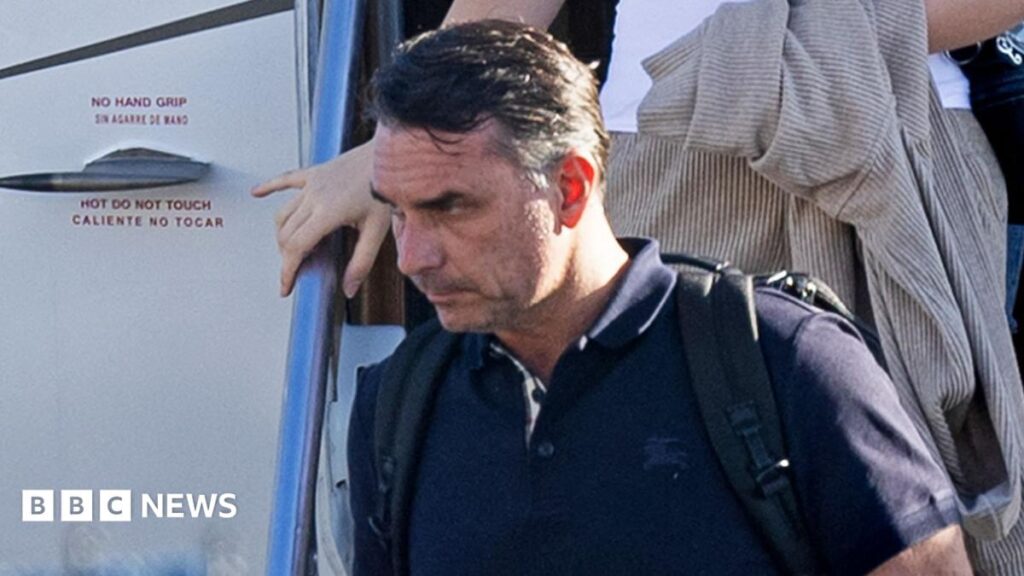
Background: A bruised Bolsonaro dynasty faces a new battlefield
The 2026 Brazilian presidential election ended with former president Luiz Inácio Lula da Silva securing a second consecutive term, while Flávio Bolsonaro, the son of former president Jair Bolsonaro, finished a distant second. Flávio, a senator from Rio de Janeiro, had campaigned on a platform of law‑and‑order and market‑friendly reforms, positioning himself as the heir to his father’s right‑wing legacy. The defeat marked the first time a direct Bolsonaro family candidate lost a presidential race since the family entered national politics in 2018.
In the days after the official count, Flávio Bolsonaro took to social media to proclaim himself the “leader of Brazil” despite the loss. He announced that he would relocate to the United States, where he intends to spearhead an opposition movement from abroad. The move mirrors a growing trend among disgraced or defeated politicians who seek to leverage foreign bases to stay relevant, a tactic that has been observed in other Latin American contexts but is relatively novel for Brazil.
The Bolsonaro family’s political brand has always been intertwined with nationalist rhetoric and a skeptical stance toward multilateral institutions. By moving his operation to Washington, Flávio hopes to tap into the sizeable Brazilian diaspora there and to court American political allies who share his anti‑Lula sentiment. The decision also signals a shift from traditional on‑the‑ground campaigning to a digital‑first, transnational opposition model.
Why the U.S. base matters: geopolitics, funding and diaspora outreach
Brazil is the largest economy in Latin America and a key partner for the United States on issues ranging from Amazon protection to trade in commodities. Flávio Bolsonaro’s relocation could give Washington a new conduit for influencing Brazilian politics, especially if he succeeds in mobilising Brazilian expatriates who are estimated at over 1.5 million people, many of whom are concentrated in Florida and New York. These communities often maintain strong economic ties to Brazil through remittances and investment, making them a valuable audience for political fundraising.
Funding is another critical factor. In recent years, US‑based political action committees (PACs) have begun to channel money to foreign opposition groups, a practice that sits in a grey area of campaign finance law. According to a report by the Center for International Policy, similar arrangements have helped opposition movements in Venezuela and Nicaragua gain a foothold abroad. If Flávio can secure comparable support, he may be able to sustain a high‑visibility media campaign that could pressure Lula’s government on issues such as fiscal policy and environmental regulation.
The diaspora angle also carries symbolic weight. By positioning himself as the voice of Brazilians living overseas, Flávio hopes to claim moral authority over domestic voters, arguing that expatriates suffer from the same economic hardships as those at home. This narrative could resonate with younger, globally‑connected voters who see Brazil’s future as increasingly tied to international markets and technology hubs.
Implications for Brazil‑Africa relations: trade, climate and migration
Brazil’s relationship with Africa has deep historical roots, from the legacy of the Atlantic slave trade to contemporary partnerships in agriculture, energy and health. Under Lula’s administration, Brazil has renewed ties with several African nations, signing agreements on renewable energy with Kenya and expanding soybean exports to Angola. A Flávio‑led opposition that operates from the United States could disrupt this momentum if it adopts a more protectionist stance toward African markets.
One concrete risk is the potential reversal of Brazil’s preferential trade terms with the African Continental Free Trade Area (AfCFTA). Flávio has previously warned that “unfair competition from African producers” threatens Brazilian farmers, a sentiment echoed by agribusiness lobbyists in the Midwest United States. If his opposition gains legislative traction, it could pressure the Lula government to renegotiate tariffs, which would affect African exporters of cocoa, coffee and minerals that rely on the Brazilian market.
Environmental policy is another flashpoint. Brazil’s Amazon policies have direct consequences for African rainforests, as global carbon markets often treat the two regions as linked climate solutions. Flávio’s criticism of Lula’s Amazon protection measures, framed as “economic sabotage,” may attract U.S. climate‑skeptic allies, potentially weakening coordinated South‑South climate initiatives that include countries like Congo and Ethiopia.
Domestic reactions: from Lula’s allies to grassroots movements
Inside Brazil, Lula’s party (PT) and its coalition partners have dismissed Flávio’s self‑appointed title as “political theater.” In a press conference, PT spokesperson Luciana Santos said the opposition’s move abroad shows a “lack of confidence in democratic debate” and warned that foreign‑based campaigns could undermine national sovereignty. Labor unions and progressive NGOs have also called for tighter regulations on foreign political financing, citing fears of external interference.
Conversely, right‑wing NGOs and some evangelical groups have praised Flávio’s decision, arguing that operating from the United States will protect Brazilian democracy from what they call “authoritarian overreach.” A spokesperson for the conservative think‑tank Instituto Liberal de Defesa (ILD) claimed that the U.S. offers “greater freedom of speech and a robust legal framework” for political activism, a view that resonates with supporters who feel marginalized by Lula’s media reforms.
Grassroots movements, especially those representing Afro‑Brazilian communities, have expressed concern that an opposition led from abroad may neglect the pressing issues of racial inequality and land rights. Activist leader Marcia da Silva, who heads the Afro‑Brazilian Network for Social Justice, warned that “when leaders speak from the comforts of Washington, they forget the streets of Salvador where the struggle continues.”
What comes next: legal hurdles, electoral strategy and regional ripple effects
Legally, Flávio Bolsonaro faces a complex landscape. Brazil’s electoral code requires candidates to maintain a residence within the country to run for office, but it does not forbid political activity from abroad. However, any attempt to fund a future campaign from the United States will have to navigate the Foreign Agents Registration Act (FARA) and Brazil’s own campaign‑finance watchdog, the TSE. Legal scholars at the University of São Paulo caution that “non‑compliance could lead to disqualification or even criminal charges,” especially if money flows are deemed illicit.
Strategically, Flávio appears to be laying the groundwork for a 2030 presidential run. By establishing a media hub in Washington, he can tap into English‑language networks, attract international think‑tanks and possibly secure endorsements from U.S. politicians who share his anti‑Lula stance. This approach mirrors the 2022 campaign of former Peruvian president Pedro Castillo, who attempted to rally support from exile after his removal, albeit with limited success.
Regionally, Flávio’s move may inspire other Latin American opposition figures to consider exile as a viable platform. Analysts at the Brookings Institution note that “the growing digitalization of politics reduces the need for physical presence,” suggesting a future where diaspora‑led opposition could become a norm. For African partners, the key takeaway is to monitor how Brazil’s internal politics might affect trade agreements, climate cooperation and migration flows, especially as both continents vie for greater influence in the global South.
Quick Answers
What does Flávio Bolsonaro plan to do after losing the 2026 Brazilian election?
He says he will lead Brazil’s opposition from the United States, using the diaspora and U.S. allies to build a transnational campaign.
How could Flávio Bolsonaro’s U.S. base affect Brazil‑Africa trade?
If his opposition pushes protectionist policies, it could pressure Lula’s government to renegotiate preferential trade terms with African nations, potentially harming African exporters.
Is it legal for a Brazilian politician to run a campaign from abroad?
Brazilian law does not forbid political activity overseas, but any fundraising must comply with both Brazil’s campaign‑finance rules and U.S. regulations like FARA.
Source: www.bbc.co.uk



💬 Comments 0