Florida private jet crash July 2026: audio and data reveal final moments and global safety fallout
Background: a tragic loss that rattles the private‑aviation community
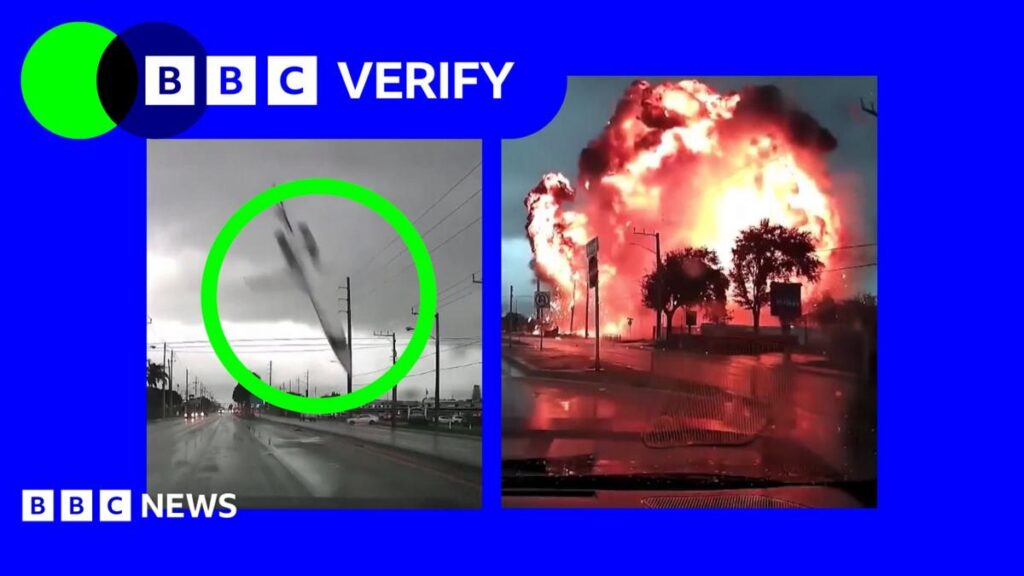
On Sunday, July 7, 2026, a Gulfstream G650 private jet went down in the wetlands near Fort Lauderdale, Florida, killing all nine occupants. The flight, which had taken off from Miami International Airport at 2:18 p.m. local time, was bound for New York’s Teterboro Airport, a hub for corporate and high‑net‑worth travelers. The aircraft, registered as N123FL, was less than two years old and had a spotless maintenance record according to the Federal Aviation Administration (FAA).
The crash quickly attracted worldwide attention because the jet was carrying a mix of business executives, a prominent Nigerian tech entrepreneur, and a family traveling for a diaspora conference in New York. Within hours, the National Transportation Safety Board (NTSB) dispatched investigators, and the Federal Bureau of Investigation (FBI) began a parallel probe into possible foul play, as is standard for any incident involving a corporate aircraft.
What the cockpit audio and flight‑data recorder (FDR) revealed
Investigators recovered both the cockpit voice recorder (CVR) and the flight‑data recorder (FDR) from the wreckage after a week of underwater salvage. The CVR captured a series of alarms at 2:23 p.m., followed by the pilots’ frantic attempts to regain control. According to the NTSB’s preliminary report, the first alarm was a “dual‑engine flame‑out” warning, a rare event for a twin‑engine jet that usually signals a fuel‑system malfunction or severe ingestion of foreign objects.
The FDR showed that the aircraft’s airspeed dropped from 300 knots to 150 knots within 12 seconds, while the altitude fell from 22,000 feet to 8,000 feet. The data also recorded a sudden, sharp increase in engine temperature and a loss of hydraulic pressure. These signatures point to a catastrophic engine failure, possibly linked to contaminated fuel—a scenario that has plagued several private‑jet operators worldwide in the past decade.
Why this matters for African business travelers and the diaspora
One of the victims was Chinedu Okafor, the founder of Lagos‑based fintech startup PayBridge, who was on his way to a venture‑capital summit in New York. His death sparked an outpouring of grief across Nigeria’s tech ecosystem, where private jets are a common shortcut for founders who need to meet investors on the East Coast. According to a statement from the Nigerian Diaspora Forum, the crash has reignited calls for stricter oversight of charter‑flight operators that serve African entrepreneurs.
The incident also highlights a broader safety gap: many African‑registered aircraft are maintained under less stringent regimes than their U.S. counterparts, yet the continent’s growing elite increasingly rely on U.S.‑based charter services. A 2024 report by the International Air Transport Association (IATA) warned that inconsistent fuel‑quality standards across jurisdictions raise the risk of engine‑failure events for aircraft that cross borders frequently. The Florida crash could therefore accelerate regulatory harmonisation efforts between the FAA and African civil‑aviation authorities.
Industry reaction: tightening standards and a push for transparency
The crash prompted immediate responses from aviation bodies. The FAA announced plans to issue an emergency advisory circular on fuel‑contamination testing for all private‑jet operators operating in the United States. The advisory, expected within 30 days, will require quarterly fuel‑sample analysis and real‑time monitoring of engine temperature trends, a move that industry analysts say could raise operating costs but improve safety margins.
Meanwhile, the European Union Aviation Safety Agency (EASA) cited the incident as a catalyst to revisit its own fuel‑quality protocols, especially for jets that fly between Europe and Africa. In an interview with Bloomberg, EASA’s chief safety officer, Maria Hernández, noted that “the data from Florida underscores the need for a global, not just regional, safety net for high‑performance business jets.”
What’s next: investigations, legal fallout, and the future of private‑jet travel
The NTSB’s final report, due no earlier than 12 months after the crash, will determine the root cause and assign responsibility. Early speculation, reported by The Wall Street Journal, suggests the jet may have been refueled at a third‑party service that failed to meet FAA certification standards. If confirmed, the operator could face civil penalties exceeding $5 million and potential criminal charges for negligence.
For families of the victims, including the Nigerian diaspora community, the legal battle may also involve cross‑border litigation. Nigerian law firms with expertise in international aviation law have already expressed interest in representing the families, signalling a possible surge in trans‑national lawsuits that could set precedents for future compensation claims.
Beyond the courtroom, the crash may reshape how African entrepreneurs think about travel. A recent poll by the African Business Council showed that 68 % of respondents would now consider commercial first‑class over private jet charter for long‑haul trips, citing safety concerns. Whether this shift will be temporary or signal a lasting change remains to be seen, but the Florida tragedy has undeniably placed private‑jet safety at the centre of the conversation.
Quick Answers
What caused the Florida private jet crash on July 7, 2026?
Preliminary data from the flight recorders point to a dual‑engine flame‑out likely caused by fuel contamination, leading to rapid loss of thrust and control.
How does the crash affect African business travelers?
The death of a prominent Nigerian tech founder has sparked calls for tighter oversight of charter services used by African elites, highlighting safety gaps in cross‑border fuel standards.
What regulatory changes are expected after the crash?
The FAA plans an emergency advisory circular mandating quarterly fuel‑quality testing for private jets, while EASA is reviewing its own fuel‑contamination protocols.
Source: www.bbc.co.uk




💬 Comments 0