Flydubai co‑pilot cockpit attack on Flight 9812: pilot Smit Machchhar’s heroics, security fallout and African travel impact 2026
Background – a routine Middle East‑Africa link
Flydubai, the low‑cost carrier owned by the Dubai government, operates dozens of flights that connect the Gulf to East Africa, including regular services to Nairobi, Dar es Salaam and Khartoum. The airline’s growth over the past decade has made it a popular choice for African business travellers, tourists and the diaspora returning home for holidays.
On 1 October 2026 Flight 9812 departed Dubai International Airport bound for Nairobi with 182 passengers and a crew of six. The route is part of a broader push by Gulf carriers to capture the fast‑growing African market, where rising incomes and trade links are spurring demand for affordable air travel.
Security protocols for commercial flights in the region have generally been considered robust after a series of high‑profile hijackings in the early 2020s. However, most safety measures focus on external threats, while internal risks such as crew‑member violence have received less scrutiny.
The incident – a co‑pilot turns aggressor
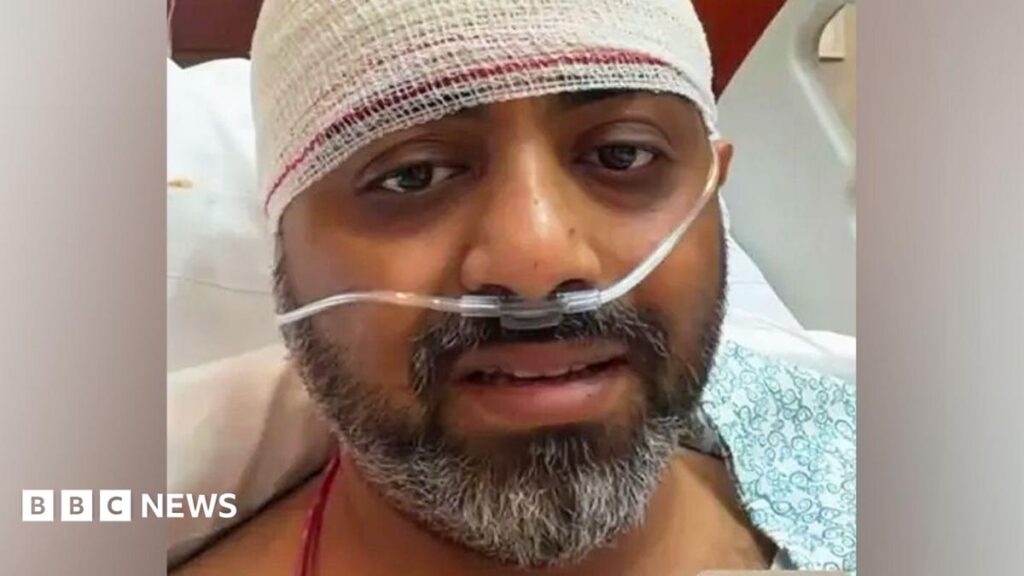
According to the pilot’s own testimony to Indian Prime Minister Narendra Modi, the co‑pilot, whose identity has not been released, brandished a knife and attempted to seize control of the cockpit about 20 minutes after take‑off. The attacker allegedly shouted that he would not allow “others to die”, a statement that investigators are treating as a possible warning of a personal grievance rather than a terrorist motive.
Capt Smit Machchhar, the senior captain on the flight, says he heard the commotion, opened the cockpit door and forced the assailant back into his seat. He then radioed air traffic control, declared an emergency and guided the aircraft to a safe diversion landing at Muscat International Airport, where security forces boarded the plane within minutes.
All passengers disembarked unharmed, and the flight crew underwent immediate medical checks. The co‑pilot was taken into custody by Omani authorities, and a preliminary medical assessment suggested he may have been suffering from a severe mental health crisis.
Why it matters – security, mental health and regulatory gaps
The attack revives a lingering worry that cockpit security, while airtight against external hijackers, may be vulnerable to insiders. Since the 2015 Germanwings tragedy, airlines have introduced stricter cockpit access rules, but most of those measures focus on limiting entry from the cabin, not on preventing a crew member from turning violent.
Mental‑health screening for pilots has been uneven across jurisdictions. In the United Arab Emirates, the Civil Aviation Authority requires periodic psychological evaluations, yet critics argue that the depth of those checks varies and that stigma can discourage pilots from seeking help. The Flydubai incident could pressure regulators to adopt more frequent and comprehensive assessments.
From a liability standpoint, insurers are watching closely. A similar episode in 2023 involving a Turkish carrier led to a spike in premiums for airlines operating in high‑risk corridors. If insurers deem internal threats a new risk class, ticket prices for routes that include African destinations could rise.
African angle – what the incident means for travellers and the diaspora
For African passengers, the news hits a nerve because Flydubai is one of the few carriers offering direct, affordable connections between the Gulf and secondary African cities. A disruption on this route could force travellers to rely on more expensive legacy airlines or on indirect itineraries through Europe, inflating costs for students, migrant workers and small‑business owners.
Diaspora communities in the UAE, especially those from Nigeria, Kenya and Ghana, often use Flydubai to visit family during festive periods. The timing of the attack—just before the October‑December holiday season—has raised concerns that demand could dip temporarily, prompting airlines to re‑evaluate capacity on African legs.
Economically, the incident may affect cargo flows as well. Flydubai transports a significant volume of perishable goods, such as fresh flowers from Kenya to Gulf markets. Any prolonged perception of insecurity could push shippers to seek alternative logistics providers, potentially hurting exporters who rely on the airline’s frequency and price advantage.
Reactions – governments, unions and the aviation community speak out
Prime Minister Narendra Modi, meeting Capt Machchhar in New Delhi, praised the pilot’s quick thinking and called for “enhanced vigilance across all skies”. Indian aviation officials, who have a bilateral agreement with the UAE on crew training, said they would share the incident’s findings with the International Civil Aviation Organization (ICAO).
The International Federation of Airline Pilots (IFALPA) issued a statement urging airlines to review cockpit‑crew mental‑health protocols and to provide confidential counselling services. A senior IFALPA representative warned that “ignoring the psychological wellbeing of pilots is a safety risk we can no longer afford”.
UAE’s General Civil Aviation Authority announced an internal review and promised to release a report within 90 days. Meanwhile, Omani security officials confirmed that the co‑pilot will face criminal prosecution under the country’s aviation‑security law, which carries a maximum sentence of 15 years for endangering an aircraft.
What’s next – investigations, policy shifts and market outlook
The Dubai Aviation Safety Committee has convened an emergency task force to examine the incident’s root causes. Early recommendations are expected to include mandatory quarterly mental‑health screenings for all cockpit crew and a revised cockpit‑door‑access protocol that requires a second crew member to be present whenever the door is opened.
Airlines operating in the Gulf‑to‑Africa corridor are likely to adopt interim measures, such as assigning a senior flight‑deck officer to monitor crew interactions on long‑haul flights. Some carriers have already announced pilot‑wellness webinars and confidential hotlines for staff based in Dubai and Abu Dhabi.
Market analysts predict a short‑term dip in passenger load factors on Flydubai’s African routes, but they also see an opportunity for competitors to capture market share by emphasizing safety credentials. In the longer run, the incident could accelerate the adoption of advanced cockpit‑monitoring technologies that flag abnormal behaviour, a trend already being piloted by a few European airlines.
Quick Answers
What caused the Flydubai cockpit attack on Flight 9812?
The co‑pilot allegedly suffered a mental‑health crisis and attempted to seize control of the aircraft, prompting senior captain Smit Machchhar to intervene.
How will the incident affect African travellers using Flydubai?
Potential short‑term disruptions could raise ticket prices and force passengers to seek alternative routes, especially during peak holiday travel.
What changes are being proposed for pilot mental‑health screening?
Aviation authorities are considering quarterly psychological evaluations and confidential counselling services for all cockpit crew.
Source: www.bbc.co.uk




💬 Comments 0