Flydubai co‑pilot Omani national plotted crash into Tel Aviv airport in 2026 – security fallout and travel impact
Rising security alarms in commercial aviation
In recent years, airline operators worldwide have been forced to confront a growing wave of insider threats, ranging from sabotage to extremist plots. While most incidents involve coordinated groups, the term “lone wolf” has become a shorthand for individuals who act alone, often inspired by online propaganda. The aviation sector, which traditionally relied on rigorous background checks, now faces the challenge of detecting radicalisation that can develop after a crew member has already been cleared for flight duties. This shift has prompted regulators in Europe, the United States and the Gulf to tighten psychological screening protocols, yet gaps remain, especially for transient expatriate workforces.
The Middle East, a hub for low‑cost carriers and a corridor for millions of passengers, is especially vulnerable because many pilots and cabin crew are recruited from abroad and rotate through short‑term contracts. The region’s strategic importance for global trade and tourism means that any breach of trust can reverberate far beyond a single flight, affecting airline reputations, passenger confidence and bilateral travel agreements. The Flydubai case therefore arrives at a moment when airlines are scrambling to reconcile operational efficiency with heightened security demands.
What the investigation revealed about the Flydubai plot
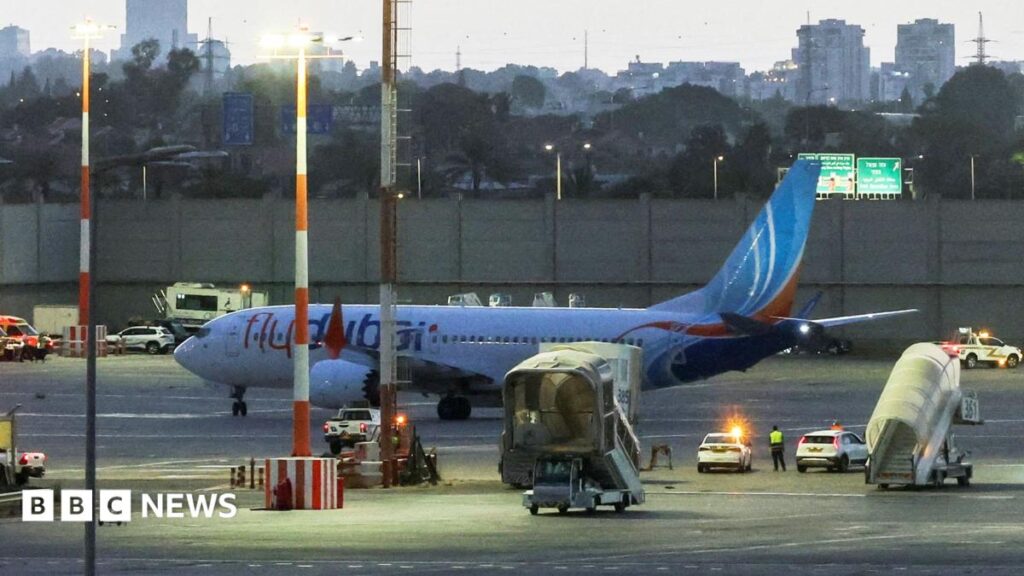
According to court documents released in early October, an Omani national employed as a co‑pilot by Flydubai was found to have plotted to deliberately crash his aircraft into either Ben Gurion Airport or a nearby building in Tel Aviv. The plan, described by prosecutors as a “lone‑wolf” extremist scheme, allegedly surfaced during a routine internal audit of flight‑deck communications. Investigators say that a series of cryptic messages left in the aircraft’s electronic log, combined with an unexplained request for a direct flight path over Israeli airspace, raised red flags that prompted a deeper security review.
Further analysis of the cockpit voice recorder and the pilot’s personal devices, as reported by local authorities, indicated that the individual had been consuming radical content online for several months. Although the co‑pilot never boarded the aircraft with the intention of executing the attack, the early detection averted a potential disaster. The pilot was immediately detained, his employment terminated, and Flydubai cooperated fully with both Omani and Israeli security services to trace any possible network links.
Why the incident matters for African travelers and diaspora communities
Africa’s growing middle class relies heavily on Gulf carriers for long‑haul travel to Europe, the Americas and Israel, where religious tourism and business links are expanding. Nigerian, Ethiopian and Kenyan expatriates, for example, frequently use Flydubai as a cost‑effective gateway. A breach of trust involving a pilot from a neighbouring Arab nation threatens to erode the confidence of these passengers, who already face scrutiny at border controls. Moreover, the incident underscores a broader vulnerability: many African nationals work in the Gulf’s aviation sector as ground staff or cabin crew, often on temporary visas, and may be subject to the same vetting blind spots that allowed the Omani pilot’s radicalisation to go unnoticed.
The fallout could also affect African‑Israeli cultural exchanges. Tel Aviv has become a popular destination for African artists, tech entrepreneurs and students seeking collaborations. If airlines tighten entry requirements or raise ticket prices in response to heightened security protocols, the flow of talent and investment between Africa and Israel may slow, hampering initiatives such as the African‑Israeli Innovation Hub that was launched in 2024.
Regional ripple effects: trade, tourism and diplomatic ties
Oman, while not an African country, maintains historic trade links with East Africa, especially through its ports in Muscat and the Omani‑controlled enclave of Socotra. Any perception that Omani nationals pose a security risk could strain these commercial corridors, prompting African importers to reassess logistics routes that rely on Omani shipping lines. In the short term, the incident has already triggered a review of air‑cargo agreements between Oman, the United Arab Emirates and several East African states, with customs officials seeking assurances that security standards are uniformly applied.
Tourism operators in Kenya and Tanzania, who market “Middle‑East gateway” packages, are also watching the situation closely. A dip in confidence could lead to a temporary decline in bookings for flights that connect Nairobi or Dar es Salaam to Israeli destinations via Gulf airlines. Conversely, some regional carriers are positioning themselves as safer alternatives by highlighting stricter crew‑screening procedures, a strategy that may reshape market share in the coming months.
What’s next: policy shifts and industry responses
In the wake of the Flydubai revelation, the International Civil Aviation Organization (ICAO) has called for an urgent review of pilot‑screening guidelines, urging member states to incorporate continuous behavioural monitoring rather than one‑off background checks. Gulf Cooperation Council (GCC) aviation authorities are reportedly drafting a joint memorandum that would require airlines to share flagged behavioural data in real time, a move that could set a new regional standard.
For African stakeholders, the key takeaway is the need to engage proactively with Gulf regulators. Aviation ministries in Nigeria, Ethiopia and South Africa have already scheduled bilateral talks with the UAE’s General Civil Aviation Authority to ensure that African crew members benefit from the same security vetting as their Gulf counterparts. Meanwhile, consumer‑rights groups are urging airlines to be transparent about the safeguards they employ, arguing that informed passengers are essential for rebuilding trust after a near‑miss that could have been catastrophic.
Quick Answers
Who was the Flydubai co‑pilot involved in the Tel Aviv crash plot?
The individual was an Omani national employed as a co‑pilot by Flydubai; his name has not been publicly disclosed.
How was the plot to crash the plane discovered?
A routine internal audit flagged unusual flight‑deck messages and a request for a direct route over Israeli airspace, leading investigators to examine the cockpit voice recorder and the pilot’s electronic devices.
What changes are airlines implementing after the incident?
Airlines are tightening psychological screening, introducing continuous behavioural monitoring, and sharing flagged data across regional regulators to prevent similar insider threats.
Source: www.bbc.co.uk



💬 Comments 0