Four arrested for elephant poisoning in Kenya’s Laikipia, linked to tomato pesticide spray
Background: Elephants, tourism and the rise of poisoning incidents
Kenya’s wildlife crown jewels – the African elephant herds that roam the savannahs of Laikipia and neighboring counties – have long been a magnet for tourists, generating roughly $1.4 billion a year for the national economy. Beyond the dollars, elephants play a keystone role in maintaining the ecological balance of the region, dispersing seeds and creating water holes that other species rely on. Over the past decade, however, the country has seen a disturbing uptick in reports of mass elephant deaths that cannot be linked to poaching, hinting at a new, insidious threat.
Since 2020, conservation groups have documented at least six incidents where dozens of elephants collapsed after grazing near agricultural fields. Initial investigations often pointed to disease or illegal hunting, but forensic analysis increasingly revealed traces of organophosphate compounds – chemicals commonly used in agricultural pesticides. The pattern suggests that as farmland pushes into wildlife corridors, the risk of accidental or intentional poisoning grows, turning the very tools meant to boost food production into weapons against megafauna.
The arrests: Who, what and how the case unfolded
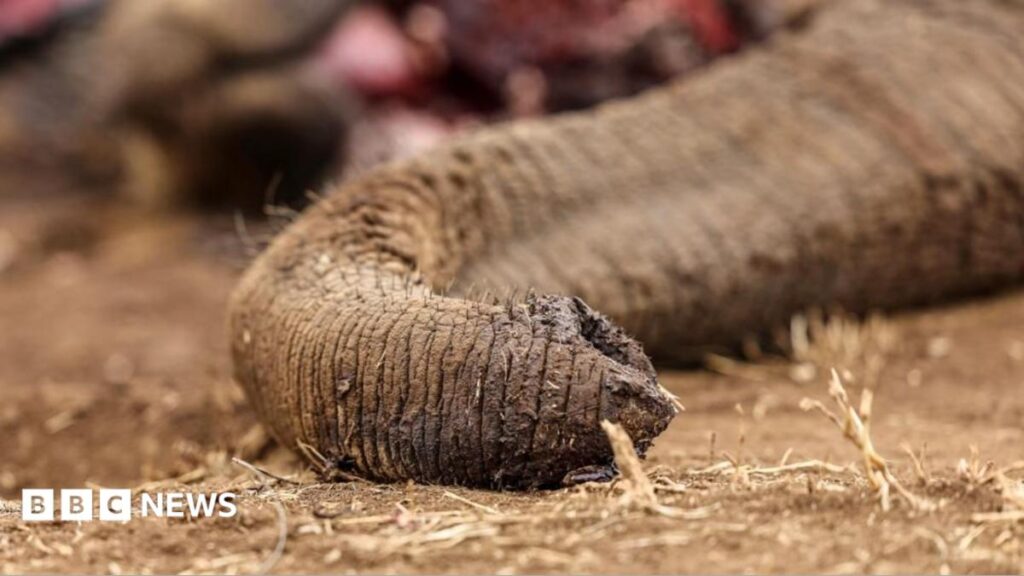
On July 31, 2026, Kenya’s Wildlife Service, working with the National Police Service, detained four men suspected of orchestrating a lethal pesticide spray on a tomato farm near the Ol Pejeta Conservancy. According to the official press release, investigators found that a high‑dose organophosphate mixture had been sprayed on a 12‑acre plot on the morning of July 26, the same day that a herd of roughly 30 elephants entered the area to feed on newly sprouted grass.
Field officers collected soil and water samples that later tested positive for chlorpyrifos, a pesticide banned for use near wildlife reserves in Kenya since 2022. The men, identified by their surnames – Mwangi, Ochieng, Kamau and Njoroge – are alleged to have been hired by a local agribusiness seeking to protect its tomato crop from elephant foraging. The police claim the suspects used a makeshift sprayer to coat the grass, a method that, if intentional, would constitute a serious violation of the Wildlife Conservation and Management Act.
Why it matters: Economic, ecological and public‑health stakes
The immediate impact is stark: the dead elephants represent a loss of roughly $250,000 in tourism revenue for each animal, according to a 2025 study by the Kenya Tourism Board. Beyond the numbers, the deaths undermine community‑based conservation schemes that pay villages to protect wildlife, eroding trust between locals and park authorities. When farmers feel forced to resort to lethal measures, the delicate social contract that underpins Kenya’s wildlife‑friendly policies begins to crumble.
There is also a hidden public‑health dimension. Organophosphate pesticides are neurotoxic to humans, and their misuse can contaminate water sources used by nearby villages. Residents of the Laikipia County have reported a spike in headaches and nausea after the alleged spraying, echoing concerns raised by the World Health Organization about pesticide exposure in rural Africa. If the chemicals seep into the soil, they could affect not only elephants but also livestock, crops, and ultimately the food security of the region.
Reactions: From Nairobi to the diaspora
Kenyan President William Ruto’s office issued a statement calling the alleged act “an affront to our heritage and a betrayal of the law.” The Ministry of Environment pledged to fast‑track a review of pesticide licences, while the Kenya Wildlife Service announced a $5 million emergency fund to support affected communities and reinforce anti‑poisoning patrols. International NGOs such as the World Wildlife Fund and African Wildlife Foundation have urged the government to adopt stricter penalties and to fund farmer‑education programmes on wildlife‑friendly pest control.
The Kenyan diaspora, especially those in the United Kingdom and the United States, responded with a wave of social‑media campaigns using the hashtag #SaveKenyaElephants. Diaspora‑run wildlife charities are already mobilising funds to provide alternative, non‑lethal deterrents – beehive fences, chili‑based repellents, and solar‑powered alarms – to the farmers in Laikipia. The episode has also sparked debate in African diaspora circles about the responsibility of overseas investors who own large agribusinesses in Kenya.
What’s next: Legal, policy and community‑based pathways
The four suspects are expected to appear before the Laikipia High Court in September, where they could face up to ten years imprisonment under the Wildlife Conservation and Management Act, as well as hefty fines for illegal pesticide use. Legal experts warn that a lenient verdict could set a dangerous precedent, emboldening other landowners to weaponise chemicals against wildlife.
Beyond the courtroom, the case is likely to accelerate a pending amendment to Kenya’s Pest Control Regulations, which aims to tighten the approval process for high‑risk chemicals near protected areas. Conservation NGOs are also pushing for a “wildlife‑first” clause in future agricultural subsidies, ensuring that any financial support to farmers includes mandatory training on coexistence strategies. If successfully implemented, these measures could turn Laikipia into a model for balancing intensive agriculture with megafauna protection – a balance that many African nations are still struggling to achieve.
Quick Answers
What pesticide is suspected in the Kenya elephant deaths?
Investigators found traces of chlorpyrifos, an organophosphate pesticide banned near wildlife reserves in Kenya.
How many elephants died in the Laikipia incident?
Approximately 30 elephants collapsed after grazing near the sprayed tomato field.
What penalties could the arrested men face?
Under the Wildlife Conservation and Management Act, they could be sentenced to up to ten years in prison and fined for illegal pesticide use.
Source: www.bbc.co.uk




💬 Comments 0