France reports 301 drownings since June 19 2024 amid record heatwaves – why the surge matters globally
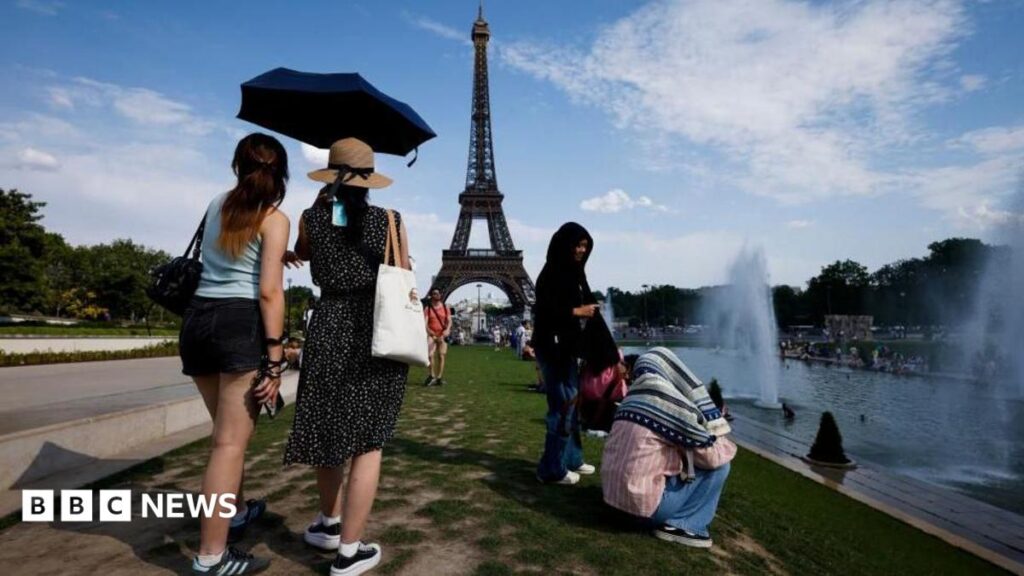
Heatwave surge and drowning toll in France
From 19 June to the end of August, France recorded 301 drowning deaths, a figure that the Ministry of Health attributes directly to the unprecedented heatwave that swept the country. The French interior minister warned that people were taking unnecessary risks by entering rivers, lakes and the sea despite official warnings, and that the combination of high temperatures and swollen waterways created a lethal mix.
Meteorological data from Météo‑France shows that average daily temperatures across the mainland were 4‑5 °C above the long‑term norm during the same period, with several days topping 40 °C. Those conditions not only attract crowds to water bodies for relief but also impair physical stamina and judgment, increasing the likelihood of accidents.
Climate change and water safety: a growing global issue
The French spike mirrors a broader pattern identified by the World Health Organization, which notes that drowning is the third leading cause of unintentional injury deaths worldwide and that hot weather amplifies risk. Climate scientists have long warned that rising temperatures will push more people toward water for cooling, while simultaneously making currents stronger and water levels more unpredictable.
Recent research from the European Climate Foundation indicates that heat‑related drowning incidents have risen by roughly 18 % across the EU since 2015. The French case is therefore not an isolated anomaly but part of a climate‑driven public‑health challenge that is manifesting in coastal and inland regions alike.
French policy response highlights gaps in prevention
In response, the French government launched a rapid‑deployment public‑information campaign, deploying warning signs, mobile alerts and free lifeguard services at popular beaches. However, critics from NGOs such as SOS Sauvetage argue that the measures are reactive rather than preventive, pointing out that France lacks a national water‑safety curriculum in schools and that many municipalities still rely on volunteer lifeguard crews with limited training.
According to a report by Le Monde, budget allocations for water‑safety have risen by 12 % this year, but experts say that without systematic risk‑assessment tools and community‑based education, the surge in drownings could reappear whenever another heatwave hits.
Echoes in Africa: heatwaves, drownings and public health
African nations are already confronting a similar confluence of heat and water risk. In Kenya, the Ministry of Health recorded a 27 % increase in drowning deaths along Lake Victoria during the 2023 heatwave, a trend echoed in Ghana’s coastal regions where rising sea temperatures have drawn crowds to beaches despite strong undercurrents. The African Union’s 2024 Climate Adaptation Report flags “heat‑induced water‑related injuries” as a growing concern for the continent’s public‑health systems.
For the African diaspora living in France, the surge underscores a shared vulnerability. Community groups in Paris have organized free swimming lessons and heat‑aware safety workshops, echoing initiatives that have proved effective in Lagos and Dar es Salaam, where local NGOs partner with municipal authorities to teach basic rescue skills during the hottest months.
Looking ahead: prevention, education and regional cooperation
Experts agree that the next step must be a blend of early‑warning technology, community education and cross‑border collaboration. The European Union is piloting a “Heat‑Water Risk Dashboard” that aggregates temperature, river‑flow and crowd‑density data to trigger automated alerts. If African regional bodies adopt a similar platform, they could tailor warnings to lakes, rivers and coastal zones that are hotspots for heat‑related drownings.
Long‑term resilience will also depend on integrating water safety into school curricula and expanding professional lifeguard training. As climate models project more frequent and intense heatwaves across both Europe and Africa, the French experience offers a cautionary template: without proactive, inclusive measures, the human cost of seeking relief in water will continue to rise.
Quick Answers
Why did drownings in France increase sharply this summer?
Record heatwaves pushed more people into rivers and seas for cooling, while higher temperatures weakened stamina and made water conditions more hazardous, leading to 301 deaths since 19 June 2024.
Are heat‑related drownings a problem in Africa?
Yes; countries like Kenya and Ghana have reported spikes in drowning deaths during heatwaves, and the African Union now lists heat‑induced water injuries as a growing public‑health risk.
What measures are being taken to prevent future drownings?
France has launched public‑alert campaigns, increased lifeguard deployment and boosted safety budgets, while experts call for nationwide water‑safety education and real‑time risk dashboards.
Source: www.bbc.co.uk




💬 Comments 0